
Herbal Energetics Explained: Understanding Warming, Cooling, Drying and Moistening Herbs
Walk into any health food shop and the shelves are lined with herbal supplements. Each one promises a specific benefit. Turmeric for inflammation. Ashwagandha for stress. Echinacea for immunity. The labels suggest that choosing the right herb is simply a matter of matching a herb to a symptom.
In clinical practice, it is nothing like that. A qualified medical herbalist selects herbs based not only on what they do pharmacologically, but on their energetic properties and how those properties match the patient’s constitution and current tissue state. This system of herbal energetics is one of the oldest and most clinically reliable frameworks in plant medicine, and it is one of the main reasons professional herbal treatment produces results that self-prescribing often does not.
What Herbal Energetics Means
Every herb has an inherent energetic quality that describes its effect on the body’s tissues. The two primary axes are temperature (warming to cooling) and moisture (drying to moistening). These are not metaphorical. They describe observable, measurable physiological effects.
A warming herb increases circulation, promotes sweating, stimulates secretions and generates a subjective sense of heat. Ginger is the classic example. Take ginger tea and you feel warmth spreading through your chest and limbs. Blood flow to the periphery increases. Digestive secretions are stimulated. Metabolic rate rises slightly. These are real physiological changes, not imagined sensations.
A cooling herb reduces inflammation, calms overactivity, slows metabolic processes and produces a subjective sense of calm or coolness. Chamomile and lemon balm are cooling herbs. They reduce nervous system excitability, calm inflammatory processes and soothe irritated tissues.
A drying herb removes excess moisture from tissues. It tightens, tones and reduces secretions. Oak bark is powerfully drying and astringent. It tightens mucous membranes and reduces excessive discharge. Sage is a drying herb used clinically for excessive sweating.
A moistening herb adds lubrication and softness to dry, irritated or atrophied tissues. Marshmallow root is deeply moistening. Its mucilaginous polysaccharides coat dry, inflamed tissues and allow them to begin healing. Slippery elm works similarly.
Why It Matters Clinically
Consider two patients who both present with digestive discomfort. Patient A has a red, inflamed tongue, burning stomach pain that worsens after eating spicy food, loose stools and a generally hot constitution. Patient B has a pale, coated tongue, sluggish digestion that feels cold and heavy, bloating after meals and a tendency to feel chilled.
If you match both patients to the symptom “digestive discomfort” and give them both the same herb, say ginger, you will help Patient B and make Patient A worse. Ginger is warming and stimulating. It is exactly what a cold, sluggish digestive system needs. But for a hot, inflamed digestive system, adding more heat is like pouring petrol on a fire.
Patient A needs cooling, soothing herbs. Meadowsweet is cool, soothing and anti-inflammatory. Chamomile is gently cooling and antispasmodic. Marshmallow root is cooling and moistening, ideal for dry, inflamed mucous membranes.
Patient B needs warming, stimulating herbs. Ginger stimulates circulation and digestive secretions. Cinnamon warms the digestive tract and supports blood sugar regulation. Galangal is strongly warming and carminative.
This is why experienced herbalists say that there are no wrong herbs, only wrong prescriptions. Choosing a medical herbalist who understands constitutional prescribing is essential for getting results.
The Six Tissue States
In Western herbal energetics, the four primary qualities combine with two additional descriptors, tension and relaxation, to produce six tissue states. These provide a clinical framework for assessing what is actually happening in the patient’s body.
Heat manifests as redness, inflammation, burning sensations, irritability and rapid pulse. Herbs for heat conditions include cooling anti-inflammatories like turmeric, frankincense and yarrow.
Cold manifests as pallor, poor circulation, slow digestion, fatigue and weakness. Warming herbs include rosemary, prickly ash and horseradish.
Dampness manifests as excessive secretions, congestion, swelling, heaviness and a coated tongue. Drying herbs include sage, thyme and ground ivy.
Dryness manifests as dry skin, dry cough, constipation with hard stools, thirst and brittle nails. Moistening herbs include marshmallow, plantain and Irish moss.
Tension manifests as spasm, cramping, constriction, sharp pain and rigidity. Relaxing antispasmodic herbs include cramp bark, wild yam and valerian.
Relaxation (or atony) manifests as weakness, prolapse, poor muscle tone, incontinence and excessive looseness. Toning astringent herbs include raspberry leaf, agrimony and American cranesbill.
Energetics in Product Formulation
When professional herbal products are formulated, energetics are a central consideration. The Digestive Reset Bundle is designed to be broadly neutral in temperature, combining warming digestive stimulants with cooling anti-inflammatories so that it is suitable for a range of constitutions. It includes moistening gut-healing herbs alongside mildly drying antimicrobials, creating balance rather than pushing the tissues in one direction.
The Nervous System Reset is formulated with cooling nervines that reduce the heat and tension characteristic of an overactive nervous system. Cooling nervines like skullcap and passionflower are particularly appropriate for states of nervous heat, anxiety, irritability, insomnia and racing thoughts.
The Gotu Kola Complex is cooling and mildly moistening, making it suitable for patients whose brain fog and poor focus are associated with heat and inflammation rather than cold and stagnation. For the full range of clinically formulated products, visit the products page.
Constitutional Prescribing
Beyond the immediate tissue state, herbalists also consider the patient’s underlying constitution. Some people run hot. They flush easily, prefer cold weather, drink cold water and tend toward inflammatory conditions. Others run cold. They feel chilled, prefer warm drinks, have poor circulation and tend toward sluggish, underactive patterns.
A constitutional assessment helps the herbalist choose herbs that will not only address the immediate problem but will also support the patient’s long-term balance. This is why two patients with the same diagnosis, say, IBS, may receive completely different herbal formulas.
The consultation process includes detailed questioning about temperature preferences, thirst patterns, sleep quality, emotional tendencies and digestive habits. These apparently simple questions reveal the energetic patterns that guide prescribing.
Beyond Simplistic Matching
The world of online health advice often reduces herbal medicine to simple symptom-herb matching. Stressed? Take ashwagandha. Cannot sleep? Try valerian. Inflamed? Use turmeric.
This approach ignores the most fundamental principle of herbal practice. Ashwagandha is a warming adaptogen. For a patient with a hot constitution and heat-driven anxiety, it may make things worse. Valerian is warming and heavy. For a patient with damp, sluggish depression, it may deepen the heaviness rather than lift it. Turmeric is warming and drying. For a patient with dry, irritated gut inflammation, it may aggravate the dryness.
The lesson is not that these herbs do not work. They work beautifully, when prescribed for the right energetic pattern. A medical herbalist who understands energetics will never give you the wrong herb for your constitution, because the constitution is the first thing they assess.
Learning to Read Your Own Patterns
While professional assessment is always recommended for treatment, you can begin to notice your own patterns. Do you tend to feel hot or cold? Do your symptoms involve dryness (dry cough, hard stools, dry skin) or dampness (congestion, bloating, heavy limbs)? Do they involve tension (cramping, sharp pain, tightness) or relaxation (weakness, sagging, exhaustion)?
These observations provide valuable information for your practitioner and help you understand why certain foods, environments and activities make you feel better or worse. They also explain why a herbal supplement that worked brilliantly for a friend may do nothing for you, or make you feel worse.
Herbal energetics is the bridge between generic herbal information and personalised herbal treatment. It is one of the most important reasons why working with a trained medical herbalist produces results that self-prescribing rarely matches.
Our Trending Products & Bundles
-
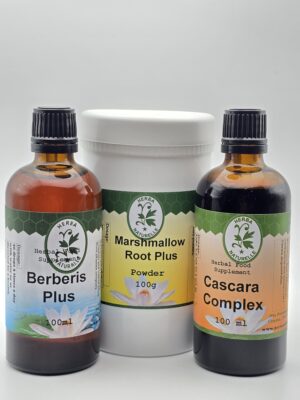 Digestive reset bundle
Original price was: £151.65.£144.95Current price is: £144.95.
-
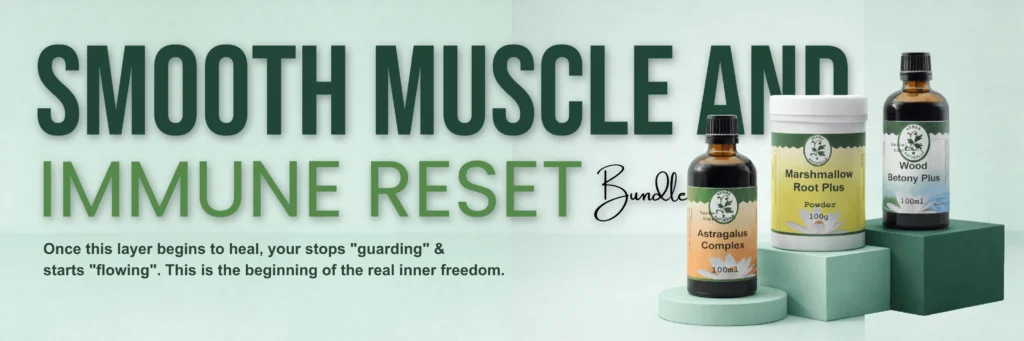
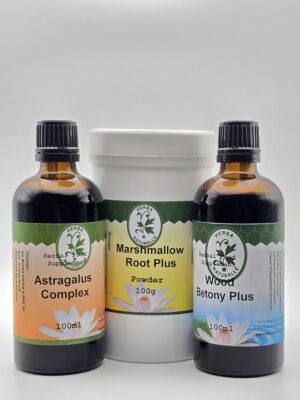 Smooth muscle and immune reset Bundle
Original price was: £177.60.£159.95Current price is: £159.95.
-
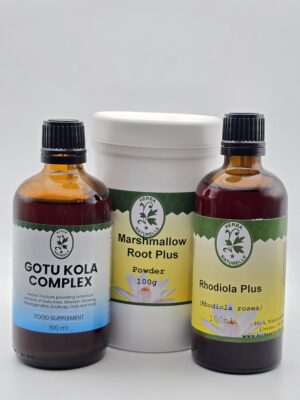 Nervous System Reset
Original price was: £163.68.£149.95Current price is: £149.95.
-
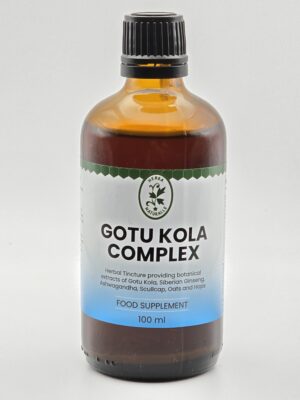 Gotu Kola Complex
£26.95

About the Author

Holistic Herbalist in UK · 30 Years of Excellence at Croydon, GB
Angela Jegnathan brings over 30 years of experience in integrated medicine and more than 25 years of full-time clinical herbal practice. Specializing in holistic herbal medicine, she focuses on restoring digestive health, calming the nervous system, and supporting the body's natural inflammatory response through evidence-based, patient-centered care.
Expertise: Holistic Herbs, Natural Medicines, Herbal Health
30 years of experience
