Turmeric Tincture: Benefits, Dosage and How to Take It
Turmeric has had an unusual journey, from a kitchen spice most British households barely noticed a generation ago, to one of the most heavily marketed supplements on the shelf, often sold with claims that stretch well past what the evidence actually supports, wrapped in packaging that makes it look more like a pharmaceutical than a root vegetable. Underneath the marketing noise sits a genuinely interesting herb with a long traditional history, and a tincture, a concentrated liquid extract, is one of the more practical and traditional ways to take it, particularly for anyone who finds capsules inconvenient or wants a form that absorbs more readily. It is also, somewhat ironically, one of the oldest and least hyped ways turmeric has ever been used, long before anyone thought to put it in a gold plated capsule with a premium price tag attached.
What Makes Turmeric Different From the Spice in Your Cupboard
The turmeric powder sold for cooking and the turmeric used in a therapeutic tincture both come from the same root, Curcuma longa, but the concentration of active compounds, chiefly curcuminoids, differs considerably, sometimes by a wide margin depending on how the raw material was grown, dried and processed before it ever reached a bottle. A tincture extracts these compounds into a liquid base, typically alcohol, which allows for a more concentrated and consistent dose than sprinkling powder into a curry, however delicious that curry might be. This matters because turmeric’s curcuminoids are notoriously poorly absorbed on their own, a problem that has shaped almost every serious discussion of how to take the herb effectively.
The Absorption Problem and Why Black Pepper Matters
Curcumin, turmeric’s best known active compound, is broken down rapidly by the body and absorbed poorly when taken alone, which is why so many turmeric products are paired with black pepper, specifically its compound piperine, shown to significantly improve curcumin absorption, sometimes by a genuinely striking margin in the research comparing the two taken together versus turmeric alone. A tincture made from the whole root, rather than an isolated curcumin extract, naturally contains a broader range of compounds alongside the curcuminoids, which some herbalists argue supports better overall absorption and effect than an isolated extract taken alone, consistent with the traditional view that whole plant preparations often work differently to isolated constituents. This is part of why a cheap, poorly made tincture can disappoint even at a seemingly reasonable dose, since the extraction process itself, not just the raw root quality, affects how much of the plant’s full chemical profile actually ends up in the bottle.
Traditional and Modern Uses
Turmeric’s traditional reputation centres on supporting healthy inflammatory response and digestive comfort, uses that stretch back thousands of years across Ayurvedic and Chinese medicine, long predating the current wave of Western scientific interest in curcumin as an isolated compound. Our article on understanding inflammation explains why this traditional focus has attracted so much modern research interest, since chronic low grade inflammation is now understood to sit underneath a remarkably wide range of health complaints. Our dedicated article on herbal medicine for arthritis and joint pain covers turmeric’s traditional role in joint health specifically, a use so consistently reported across patients that it remains one of the most common reasons people first ask about this herb in clinic, and our piece on natural remedies for gout discusses it alongside other herbs traditionally used for uric acid related joint pain.
Typical Dosage and How to Take It
Dosage varies depending on the tincture’s concentration and herb to liquid ratio, so always check the specific product’s label rather than assuming a universal standard. As a general guide, turmeric tinctures are commonly taken at between two and five millilitres, one to three times daily, diluted in water or a small amount of juice, since neat turmeric tincture has a strong, bitter, slightly peppery taste that most people find easier to take diluted. Taking it with a meal that contains some fat can support absorption further, since curcumin is fat soluble, and consistency matters more than a single large dose, given turmeric’s traditional reputation is built on sustained, regular use rather than occasional, high dose bursts. Many people notice little in the first week or two and then a more gradual shift over several weeks of consistent use, which fits turmeric’s traditional classification as a herb that works cumulatively rather than instantly.
Heart Health and Circulatory Interest
Beyond joints and digestion, turmeric has attracted growing research interest in cardiovascular health, and our article on herbal medicine for heart health places this alongside other herbs with genuine evidence behind their traditional cardiovascular reputation, rather than treating turmeric as an isolated heart health silver bullet. This is also relevant for bone health, an area our article on herbs for osteoporosis and bone health touches on, since chronic inflammation is increasingly recognised as a factor in bone density decline alongside the more commonly discussed hormonal causes, a connection that is still underappreciated outside specialist circles.
Skin and Nerve Applications
Turmeric’s traditional anti-inflammatory reputation extends to skin health as well, and our article on herbal medicine for eczema and skin conditions discusses its role alongside other herbs used for inflammatory skin complaints, though taken internally rather than applied directly, since neat turmeric tincture is not generally suited to topical use on broken or sensitive skin. For nerve related discomfort, our article on herbal support for nerve pain and neuropathy explores turmeric’s traditional use in this context too, since inflammation and nerve sensitivity are closely linked processes in the body. Because chronic stress is itself a significant driver of inflammatory processes throughout the body, our article on how chronic stress affects the body is a useful piece of background reading for anyone trying to understand why turmeric alone rarely resolves inflammation that has a significant stress component behind it. Our article on herbal medicine for chronic fatigue and low energy touches on a related pattern, since low grade inflammation and persistent fatigue frequently travel together.
Who Should Be Cautious
Turmeric is generally well tolerated, but it is not automatically appropriate for everyone. It has a traditional reputation for thinning the blood slightly, so anyone on anticoagulant or antiplatelet medication should check with a doctor or pharmacist before starting a concentrated tincture. It can also stimulate bile production, which makes it worth avoiding or approaching cautiously if you have gallstones or a bile duct obstruction. Pregnancy is generally considered a reason to use only food level amounts rather than concentrated therapeutic doses without professional guidance, and anyone scheduled for surgery should mention regular turmeric use to their medical team beforehand given its mild effect on clotting.
A Realistic, Honest View
We want to be upfront: turmeric has attracted a huge amount of marketing hype, and while its traditional anti-inflammatory reputation has real research interest behind it, it is not a miracle cure, and individual response varies considerably from one person to the next for reasons that are not always well understood. It works best as part of a wider approach to inflammation and general health, covered in our article on natural herbs vs pharmaceutical drugs, rather than a standalone fix bought in isolation and expected to carry the full weight of a health goal on its own. Our guide on when to use herbal medicine is worth reading for anyone weighing up where herbal support genuinely fits alongside conventional treatment, rather than as a replacement for it.
Discuss Your Case With a Herbalist
Because the right dose, concentration and combination depends on your individual health picture, a proper consultation gives far more reliable guidance than a generic dosage range found on a product label or a forum post. Learn more about our clinical approach, or read through our patient success stories to see how other people have used turmeric and similar herbs as part of a properly tailored plan built around their actual symptoms rather than a trend.
Our Trending Products & Bundles
-
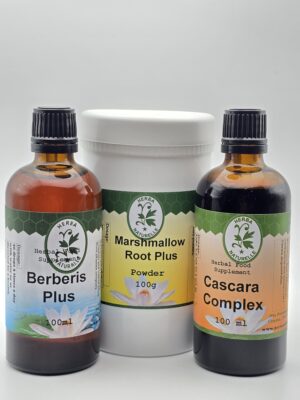 Digestive reset bundle
Original price was: £151.65.£144.95Current price is: £144.95.
-
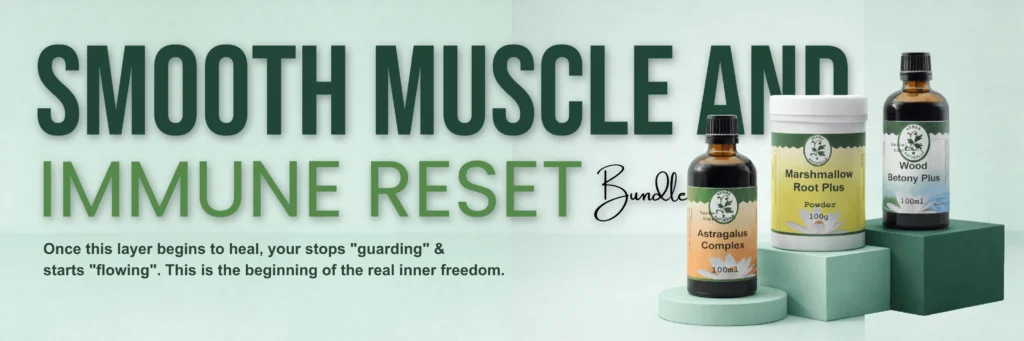
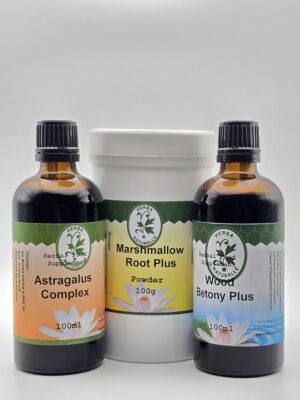 Smooth muscle and immune reset Bundle
Original price was: £177.60.£159.95Current price is: £159.95.
-
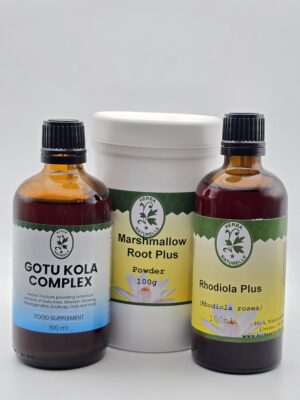 Nervous System Reset
Original price was: £163.68.£149.95Current price is: £149.95.
-
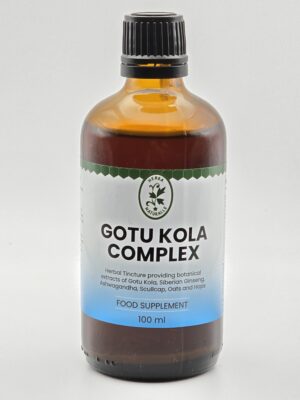 Gotu Kola Complex
£26.95

About the Author

Holistic Herbalist in UK · 30 Years of Excellence at Croydon, GB
Angela Jegnathan brings over 30 years of experience in integrated medicine and more than 25 years of full-time clinical herbal practice. Specializing in holistic herbal medicine, she focuses on restoring digestive health, calming the nervous system, and supporting the body's natural inflammatory response through evidence-based, patient-centered care.
Expertise: Holistic Herbs, Natural Medicines, Herbal Health
30 years of experience
