Yarrow (Achillea millefolium): The Universal Healer
Yarrow — Achillea millefolium — is named after the hero Achilles, who according to legend used it to staunch the bleeding wounds of his soldiers at Troy. This legend reflects the most ancient and enduring medicinal use of Yarrow — as a haemostatic (bleeding-stopping) herb — but vastly understates the breadth of this remarkable plant’s clinical applications. Of all the herbs in the British materia medica, Yarrow may be the most genuinely multi-system in its therapeutic reach: haemostatic, diaphoretic, antihypertensive, digestive bitter, antimicrobial, urinary antiseptic, and anti-inflammatory.
At Herba Naturalle, Yarrow is listed in the comprehensive herb index as a primary multi-system herb — relevant to the cardiovascular support of Healing the Heart and the digestive focus of the Digestive Reset Bundle.
Active Compounds
- Volatile oil — 1,8-cineole, camphor, borneol; contributing antimicrobial, anti-inflammatory, and diaphoretic activity
- Azulene (chamazulene) — produced during steam distillation; anti-inflammatory
- Sesquiterpene lactones — achillin and related bitter compounds; digestive bitter action and anti-inflammatory
- Flavonoids — apigenin, luteolin, rutin, quercetin; anti-inflammatory, antispasmodic, and antihypertensive
- Tannins — haemostatic and astringent
- Alkaloids (achilleine) — with haemostatic and anti-inflammatory activity
Clinical Applications
Haemostasis (Stopping Bleeding)
The most specific traditional application. Fresh Yarrow leaves applied directly to a wound is one of the most reliable first-aid herbs for stopping bleeding — achilleine and tannins both contribute to platelet aggregation and vascular constriction. Used for wounds, nosebleeds, heavy periods, and urinary bleeding.
Fever (Diaphoretic)
Hot Yarrow tea is one of the classic fever herbs of the British tradition — promoting beneficial perspiration and supporting the body’s natural fever resolution. Used alongside Elder Flower and Peppermint in the classic British fever formula.
Hypertension
The flavonoid rutin and related compounds provide vasodilatory and antihypertensive effects — relevant to Healing the Heart.
Digestive Bitter and Hepatic Tonic
The sesquiterpene lactone bitter action stimulates digestive secretions and bile — complementary to the Berberis Plus and Digestive Reset Bundle.
Urinary Antiseptic
The volatile oil is partially excreted renally — providing mild urinary antiseptic activity alongside the diuretic and haemostatic properties.
Relevant Blog Posts
- Healing the Heart: Understanding and Reversing Inflammation in the Cardiovascular System
- Stop the Inflammation Pandemic: The Digestive System (Part 1)
- Stop the Inflammation Pandemic: Breathe Easy – Inflammation in the Nose, Sinuses, and Lungs
- Stop the Inflammation Pandemic – The Lymphatic System
- Welcome to the Final Episode of the Inflammation Pandemic Series
How to Use
- Tea (hot for fever and diaphoretic use): 2g dried herb steeped 10 minutes; 3–4 cups daily
- Fresh leaf (topical for wounds): Apply crushed leaf directly to minor wounds
- Tincture (1:3): 3–5ml three times daily
Safety
- Generally well tolerated
- Asteraceae allergy: Cross-reactivity possible — particularly in those allergic to ragweed or chrysanthemum
- Pregnancy: Avoid — the uterotonic alkaloid achilleine is a precautionary contraindication
- Anticoagulants: Mild antiplatelet activity — professional guidance alongside warfarin
Contact Herba Naturalle for cardiovascular and digestive herbal support. Browse all products and the full herb index.
This article is for informational purposes only. Please consult a qualified medical herbalist before use.
Our Trending Products & Bundles
-
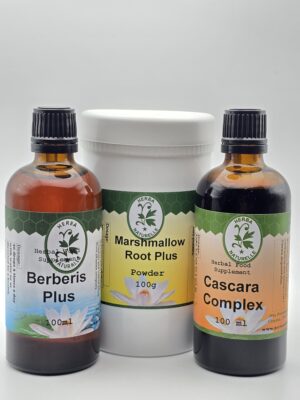 Digestive reset bundle
Original price was: £151.65.£144.95Current price is: £144.95.
Digestive reset bundle
Original price was: £151.65.£144.95Current price is: £144.95.
-
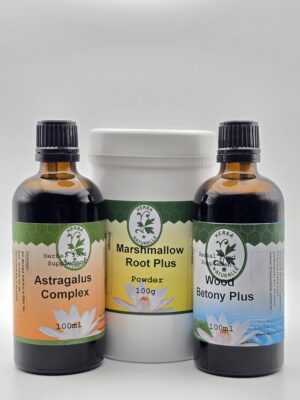 Smooth muscle and immune reset Bundle
Original price was: £177.60.£159.95Current price is: £159.95.
Smooth muscle and immune reset Bundle
Original price was: £177.60.£159.95Current price is: £159.95.
-
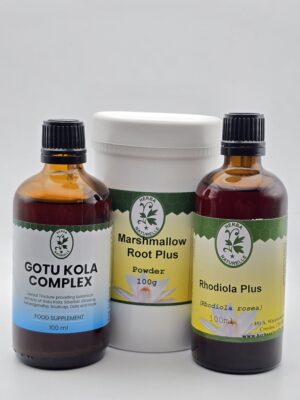 Nervous System Reset
Original price was: £163.68.£149.95Current price is: £149.95.
Nervous System Reset
Original price was: £163.68.£149.95Current price is: £149.95.
-
 Gotu Kola Complex
£26.95
Gotu Kola Complex
£26.95


About the Author

Holistic Herbalist in UK · 30 Years of Excellence at Croydon, GB
Angela Jegnathan brings over 30 years of experience in integrated medicine and more than 25 years of full-time clinical herbal practice. Specializing in holistic herbal medicine, she focuses on restoring digestive health, calming the nervous system, and supporting the body's natural inflammatory response through evidence-based, patient-centered care.
Expertise: Holistic Herbs, Natural Medicines, Herbal Health
30 years of experience
