
The Gut-Brain Axis and Herbal Medicine: How Your Digestive System Shapes Your Mental Health
There is a conversation happening inside your body right now that most people know nothing about. Your gut and your brain are exchanging signals continuously, through a communication network so extensive that scientists have begun calling the gut the second brain. This network is called the gut-brain axis, and it is reshaping how we understand conditions from anxiety and depression to irritable bowel syndrome and chronic fatigue.
For medical herbalists, this is not new information. The connection between the digestive system and the nervous system has been a cornerstone of herbal clinical practice for centuries. What is new is that modern neuroscience and gastroenterology are now confirming, in precise biochemical detail, what herbalists have observed in their patients for generations.
Understanding the gut-brain axis is essential for anyone using herbal medicine, because it explains why herbal treatment for digestive health so often improves mood and mental clarity, and why herbal support for anxiety frequently resolves digestive symptoms that seemed unrelated.
The Anatomy of the Connection
The gut-brain axis is not a single pathway. It is a bidirectional communication system that operates through at least four distinct channels.
The vagus nerve is the most direct connection. This is the longest cranial nerve in the body, running from the brainstem down through the chest and into the abdomen, where it innervates the entire gastrointestinal tract. Approximately 80 percent of the vagus nerve’s fibres are afferent, meaning they carry information from the gut to the brain. Your gut is literally reporting to your brain far more than your brain is instructing your gut.
Research on herbal support for the vagus nerve has shown that specific herbs can improve vagal tone, which is a measure of how efficiently this nerve communicates. Improved vagal tone is associated with better emotional regulation, lower inflammation and healthier digestive function.
The enteric nervous system is a mesh of over 500 million neurons embedded in the gut wall. It operates semi-independently from the central nervous system, controlling peristalsis, secretion and blood flow within the gut. This system produces over 30 neurotransmitters, including more than 90 percent of the body’s serotonin and roughly 50 percent of its dopamine.
This means that when gut inflammation damages the enteric nervous system, the consequences are not limited to digestive symptoms. Neurotransmitter production is disrupted, and the effects are felt in the brain as low mood, anxiety, poor concentration and disturbed sleep.
The immune system provides another communication channel. Approximately 70 percent of the body’s immune tissue is located in the gut. When the gut lining becomes permeable, a condition often called leaky gut, bacterial fragments and incompletely digested food proteins enter the bloodstream and trigger systemic inflammation. This inflammation crosses the blood-brain barrier and activates immune cells in the brain called microglia, producing neuroinflammation that manifests as brain fog, fatigue and cognitive impairment.
The microbiome is the fourth channel. The trillions of bacteria living in the large intestine produce short-chain fatty acids, vitamins, neurotransmitter precursors and signalling molecules that directly influence brain function. Dysbiosis, an imbalance in these bacterial populations, has been linked to depression, anxiety, autism spectrum conditions and neurodegenerative diseases.
Why Herbalists Have Always Treated the Gut First
In traditional herbal practice, the digestive system is almost always the first system addressed in any treatment plan. This is true even when the patient presents with sleep problems, nervous system overactivity or chronic fatigue with no obvious digestive complaint.
The reasoning is now supported by evidence. If gut inflammation is driving systemic inflammation, if neurotransmitter production is compromised by enteric nervous system dysfunction, or if microbial dysbiosis is producing neurologically active compounds that impair brain function, then no amount of nervine or adaptogenic herbs will produce lasting results without addressing the gut first.
This is the clinical logic behind the three-layer healing approach used at Herba Naturalle. The first layer stabilises digestive function and reduces gut inflammation. The second layer supports the nervous system and endocrine system. The third layer addresses specific symptoms and constitutional patterns. By working in this order, each layer builds on the one before it.
Herbal Compounds That Work Across the Axis
Several classes of herbal compounds have demonstrated specific effects on the gut-brain axis.
Mucilaginous herbs like marshmallow root and slippery elm coat and protect the gut lining, reducing the permeability that allows inflammatory compounds to reach the brain. The Marshmallow Root Plus product is formulated specifically for this gut-barrier repair function.
Bitter herbs like gentian and dandelion root stimulate digestive secretions through vagus nerve activation. This means they simultaneously improve nutrient absorption and strengthen vagal tone, benefiting both digestion and nervous system regulation.
Carminative herbs like peppermint, fennel and ginger relax smooth muscle in the gut wall and reduce the bloating and cramping that are both a cause and a consequence of gut-brain axis dysfunction. When smooth muscle tension is present throughout the digestive tract, carminative herbs address it directly.
Nervine herbs like lemon balm are remarkable because they work on both sides of the axis simultaneously. Lemon balm calms the central nervous system through GABAergic mechanisms and also relaxes the smooth muscle of the gut. It reduces anxiety and digestive spasm at the same time.
Adaptogenic herbs like ashwagandha and rhodiola modulate the hypothalamic-pituitary-adrenal axis, which is a major regulatory system that connects stress perception in the brain to gut function. Chronic stress activates this axis, which redirects blood flow away from the gut, suppresses digestive secretions and increases intestinal permeability. Adaptogens restore normal regulation of this system, benefiting both mental health and digestion.
The Clinical Implications
When a patient presents to a medical herbalist with IBS, the treatment plan will typically include herbs for the gut, the nervous system and the immune system, not because the herbalist is throwing everything at the wall, but because IBS is a gut-brain axis disorder. Treating only the gut ignores the nervous system drivers. Treating only the nervous system ignores the local gut inflammation and dysbiosis.
The Digestive Reset Bundle is designed to address multiple points along this axis simultaneously. It combines gut-healing herbs, anti-inflammatory compounds and digestive tonics in a formulation that reflects the interconnected nature of the problem. For patients whose IBS includes significant nervous system involvement, this may be combined with the Nervous System Reset to address both ends of the axis.
The Smooth Muscle and Immune Reset Bundle takes a complementary approach, targeting the smooth muscle tension and immune dysregulation that drive IBS flare-ups.
What This Means for You
If you have been treating a digestive problem without seeing improvement, the missing piece may be your nervous system. If you have been managing anxiety or low mood without success, the root cause may be in your gut.
The gut-brain axis is not a theoretical concept. It is a clinical reality that determines how effectively herbal medicine, or any medicine, works. A qualified practitioner who understands this axis can design a treatment plan that addresses the whole system rather than chasing individual symptoms.
Herbal medicine for mental health becomes far more effective when it accounts for the gut. Herbal medicine for digestive health becomes far more effective when it accounts for the nervous system. Working with a medical herbalist who takes this integrated approach is the most reliable way to get results that last.
If you are unsure whether your symptoms involve the gut-brain axis, the simplest step is to book a consultation and have a trained practitioner assess the full picture. Most people are surprised by how connected their symptoms turn out to be.
Our Trending Products & Bundles
-
 Digestive reset bundle
Original price was: £151.65.£144.95Current price is: £144.95.
-
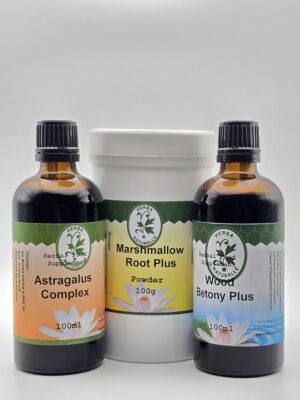 Smooth muscle and immune reset Bundle
Original price was: £177.60.£159.95Current price is: £159.95.
-
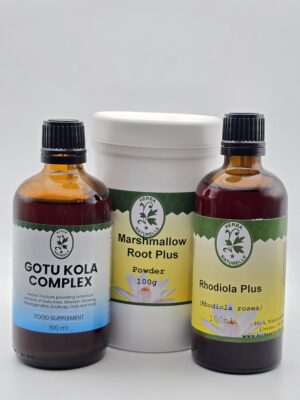 Nervous System Reset
Original price was: £163.68.£149.95Current price is: £149.95.
-
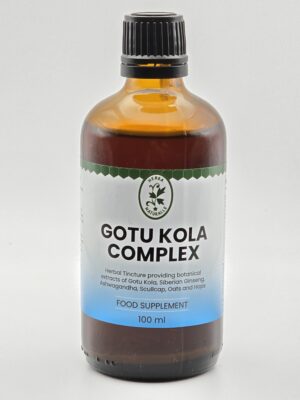 Gotu Kola Complex
£26.95


About the Author

Holistic Herbalist in UK · 30 Years of Excellence at Croydon, GB
Angela Jegnathan brings over 30 years of experience in integrated medicine and more than 25 years of full-time clinical herbal practice. Specializing in holistic herbal medicine, she focuses on restoring digestive health, calming the nervous system, and supporting the body's natural inflammatory response through evidence-based, patient-centered care.
Expertise: Holistic Herbs, Natural Medicines, Herbal Health
30 years of experience
