
Valerian Root (Valeriana officinalis): The Sleep Herb
Valerian — Valeriana officinalis — is the most widely studied herbal sedative in the world, with an evidence base for sleep and anxiety that has made it one of the most commonly used herbal medicines in Europe. The distinctive — some would say pungent — aroma of Valerian root (from the isovaleric acid and other volatile compounds) belies the genuine clinical value of this tall, pink-flowered perennial of riverbanks and meadows across Britain and Europe.
At Herba Naturalle, Valerian Root is listed in the comprehensive herb index as a primary sedative nervine — complementary to the Nervous System Reset and Gotu Kola Complex. Directly relevant to Inflammation of the Surface Nervous System: Where Healing Begins.
Active Compounds
- Valerenic acid and related sesquiterpene acids — the primary active compounds; modulate GABA-A receptors (same receptor as benzodiazepines) and inhibit GABA breakdown — increasing GABA availability and promoting sedation
- Isovaleric acid — responsible for the characteristic pungent aroma; mildly sedative
- Valepotriates (iridoid compounds) — present in fresh root; sedative and antispasmodic; largely degraded on drying and storage
- Flavonoids (linarin, hesperidin) — contributing to the anxiolytic and sedative activity
- Alkaloids (actinidine, chatinine) — in trace amounts; contributing to the overall CNS activity
Clinical Evidence
Multiple systematic reviews confirm Valerian’s efficacy for sleep:
- Significant improvements in sleep latency (time to fall asleep) and sleep quality compared to placebo
- Comparable efficacy to low-dose oxazepam in one RCT, without the dependency risk
- Best effects with regular use over 2–4 weeks, rather than single-dose use
Clinical Applications
Insomnia
The primary and most evidence-backed application. Valerian reduces sleep onset time, reduces night-time awakening, and improves overall sleep quality and morning alertness. Works best when taken 30–60 minutes before bed and used consistently for at least 2 weeks before full benefit is assessed.
Anxiety and Nervous Tension
The GABA-A modulating activity provides genuine anxiolytic benefit — used for generalised anxiety, nervous tension, and the nervous irritability that accompanies insomnia.
Muscle Tension and Spasm
The antispasmodic valerenic acid action extends to skeletal muscle — used for tension headache, neck and shoulder tension, and the muscular spasm that accompanies nervous system overdrive.
Menopausal Sleep Disturbance
Clinical trials confirm Valerian reduces sleep disturbance in menopausal women — used alongside the Shatavari Complex for comprehensive menopausal support.
Relevant Blog Posts
- Inflammation of the Surface Nervous System: Where Healing Begins
- Healing the Heart: Understanding and Reversing Inflammation in the Cardiovascular System
- Stop the Inflammation Pandemic – The Lymphatic System
- Inflammation in Muscles and Joints: The Hidden Link to Autoimmunity
- Welcome to the Final Episode of the Inflammation Pandemic Series
How to Use
- Tincture (1:3 — fresh root preferred): 3–5ml in water 30–60 minutes before bed
- Standardised dry extract (0.8% valerenic acid): 300–600mg at bedtime
- Tea: 2–3g dried root steeped 15 minutes; the smell may be off-putting but the taste is more acceptable than the aroma suggests
Safety
- Generally very well tolerated with no dependency documented at therapeutic doses
- Paradoxical stimulation: A minority of people (particularly children) experience stimulant rather than sedative effects — reduce dose or discontinue if this occurs
- Sedative medications: May enhance sedative effects — professional guidance alongside prescribed sedatives
- Driving: Avoid driving after taking at sedative doses
- Pregnancy: Avoid — insufficient safety data
Contact Herba Naturalle for sleep and nervous system herbal support. Browse all products and the full herb index.
This article is for informational purposes only. Please consult a qualified medical herbalist before use.
Our Trending Products & Bundles
-
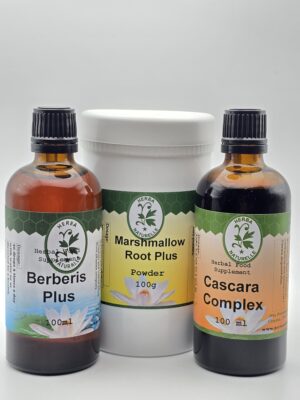 Digestive reset bundle
Original price was: £151.65.£144.95Current price is: £144.95.
Digestive reset bundle
Original price was: £151.65.£144.95Current price is: £144.95.
-
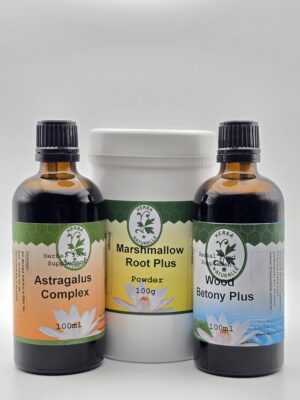 Smooth muscle and immune reset Bundle
Original price was: £177.60.£159.95Current price is: £159.95.
Smooth muscle and immune reset Bundle
Original price was: £177.60.£159.95Current price is: £159.95.
-
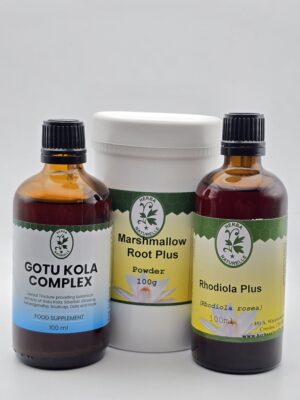 Nervous System Reset
Original price was: £163.68.£149.95Current price is: £149.95.
Nervous System Reset
Original price was: £163.68.£149.95Current price is: £149.95.
-
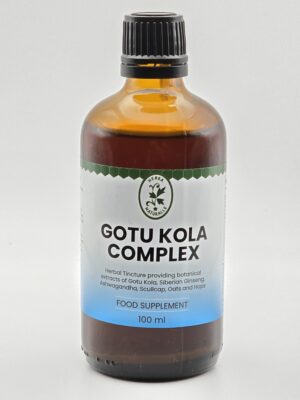 Gotu Kola Complex
£26.95
Gotu Kola Complex
£26.95


About the Author

Holistic Herbalist in UK · 30 Years of Excellence at Croydon, GB
Angela Jegnathan brings over 30 years of experience in integrated medicine and more than 25 years of full-time clinical herbal practice. Specializing in holistic herbal medicine, she focuses on restoring digestive health, calming the nervous system, and supporting the body's natural inflammatory response through evidence-based, patient-centered care.
Expertise: Holistic Herbs, Natural Medicines, Herbal Health
30 years of experience
