
Chamomile Tea Benefits: What This Ancient Herb Doesfor Your Body
By Anjela Jeganathan – Medical Herbalist | Herba Naturalle
Chamomile tea is one of the most consumed herbal teas in the world — and one of the most underestimated. Behind the familiar, gentle flavour lies a genuinely impressive pharmacological profile that explains why chamomile has been used medicinally since ancient Egypt, Greece, and Rome, and why it remains one of the most clinically relevant herbs in modern herbal practice.
The Two Clinical Chamomiles
Two species are used medicinally, and their properties overlap significantly:
- German Chamomile (Matricaria chamomilla / Chamomilla recutita) — the most widely studied, particularly for its volatile oil content and anti-inflammatory azulene
- Roman Chamomile (Chamaemelum nobile / Anthemis nobilis) — slightly more bitter, with a stronger antispasmodic emphasis
Both are addressed in depth in our dedicated post on chamomile and valerian for anxiety, sleep and calm.
Active Compounds in Chamomile
- Apigenin — a flavonoid that binds to GABA-A receptors (the same receptors targeted by benzodiazepine drugs), producing anxiolytic and mild sedative effects
- Chamazulene — produced during steam distillation of the volatile oil; powerful anti-inflammatory and antispasmodic
- Alpha-bisabolol — anti-inflammatory, wound-healing, and antimicrobial
- Quercetin and luteolin — antioxidant and anti-inflammatory flavonoids
Chamomile Tea Benefits: The Evidence
Anxiety and Nervous System
The apigenin content of chamomile tea binds to the GABA-A benzodiazepine receptor, producing genuine anxiolytic effects without the dependency and cognitive impairment of pharmaceutical sedatives. A clinical trial in patients with generalised anxiety disorder found significant reductions in anxiety scores with chamomile extract over 8 weeks.
Natural management of anxiety is explored in the broader context of our post on mental health, depression and natural approaches.
Sleep Quality
A randomised trial in elderly patients found that chamomile extract significantly improved sleep quality, reduced night-time awakening, and improved daytime functioning. The apigenin-GABA mechanism combined with the relaxing effect on intestinal smooth muscle (reducing the digestive discomfort that disrupts sleep) makes chamomile one of the most practically useful sleep herbs.
Digestive Health
Chamomile is one of the most specific herbs for digestive smooth muscle spasm. The alpha-bisabolol and chamazulene reduce intestinal inflammation; the volatile oil relaxes intestinal smooth muscle; and the apigenin provides nervous system calming that addresses the gut-brain axis component of IBS and functional dyspepsia.
Chamomile tea’s role in gut health is relevant to several conditions discussed in our post on IBS, IBD, ulcerative colitis and bowel conditions and the broader guide to digestive health and gut function.
Anti-Inflammatory
The chamazulene and quercetin content give chamomile genuine systemic anti-inflammatory action. This is relevant to the visceral fat and inflammatory burden picture explored in our article on visceral fat and its health implications.
Bloating and Gas
Chamomile tea taken after meals relieves the intestinal spasm, gas, and bloating that affects so many people — directly addressing the mechanisms discussed in our guide to bloating, trapped wind and constipation relief.
Blood Sugar Regulation
Recent research has identified alpha-glucosidase-inhibiting properties in chamomile — meaning it slows the digestion of starch and reduces post-meal glucose spikes. This is relevant to the metabolic health picture discussed in our post on fatty liver risk factors and lifestyle support.
How to Get the Most from Chamomile Tea
- Use 2–3 heaped teaspoons of dried flowers per cup — commercial tea bags are often under-dosed
- Cover the cup while steeping for 10 minutes — the volatile oil compounds evaporate easily
- For sleep: 1–2 cups 30–60 minutes before bed
- For anxiety: 2–3 cups throughout the day
- For digestion: 1 cup 20–30 minutes after meals
Safety
- Extremely safe — suitable for children, elderly, and generally safe in pregnancy at standard tea doses
- Asteraceae allergy: Cross-reactivity with ragweed, chrysanthemum, and daisy family — discontinue if allergic reactions occur
This article is for educational purposes only. Please consult a qualified medical herbalist before use.
Our Trending Products & Bundles
-
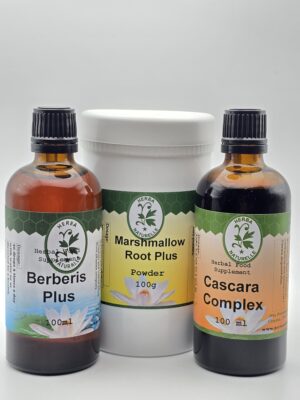 Digestive reset bundle
Original price was: £151.65.£144.95Current price is: £144.95.
Digestive reset bundle
Original price was: £151.65.£144.95Current price is: £144.95.
-
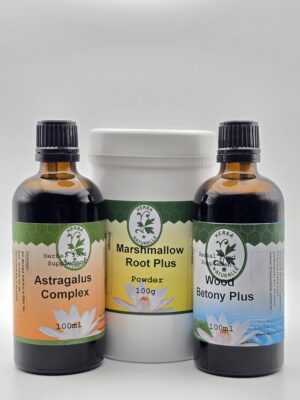 Smooth muscle and immune reset Bundle
Original price was: £177.60.£159.95Current price is: £159.95.
Smooth muscle and immune reset Bundle
Original price was: £177.60.£159.95Current price is: £159.95.
-
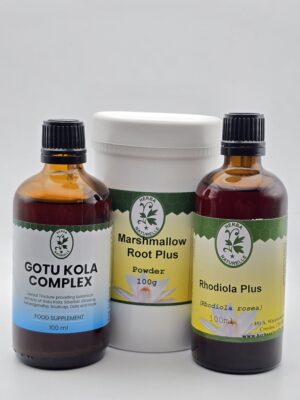 Nervous System Reset
Original price was: £163.68.£149.95Current price is: £149.95.
Nervous System Reset
Original price was: £163.68.£149.95Current price is: £149.95.
-
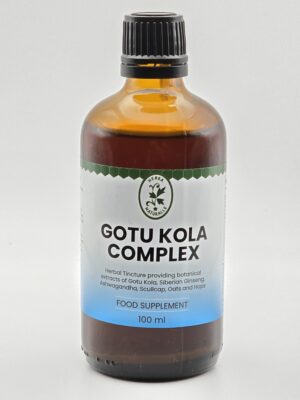 Gotu Kola Complex
£26.95
Gotu Kola Complex
£26.95


About the Author

Holistic Herbalist in UK · 30 Years of Excellence at Croydon, GB
Angela Jegnathan brings over 30 years of experience in integrated medicine and more than 25 years of full-time clinical herbal practice. Specializing in holistic herbal medicine, she focuses on restoring digestive health, calming the nervous system, and supporting the body's natural inflammatory response through evidence-based, patient-centered care.
Expertise: Holistic Herbs, Natural Medicines, Herbal Health
30 years of experience
