Turmeric (Curcuma longa): Nature’s Most Powerful Anti-Inflammatory
Turmeric — Curcuma longa — is the most studied herbal medicine in modern pharmacological research, with over 15,000 published studies examining the biological activities of its primary active compound, curcumin. The golden-orange rhizome of this ginger-family plant has been used in Ayurvedic and Traditional Chinese Medicine for over 4,000 years, and is now the subject of clinical research across virtually every major disease category — from inflammation and joint disease to cardiovascular protection, cancer prevention, neurodegenerative disease, and metabolic syndrome.
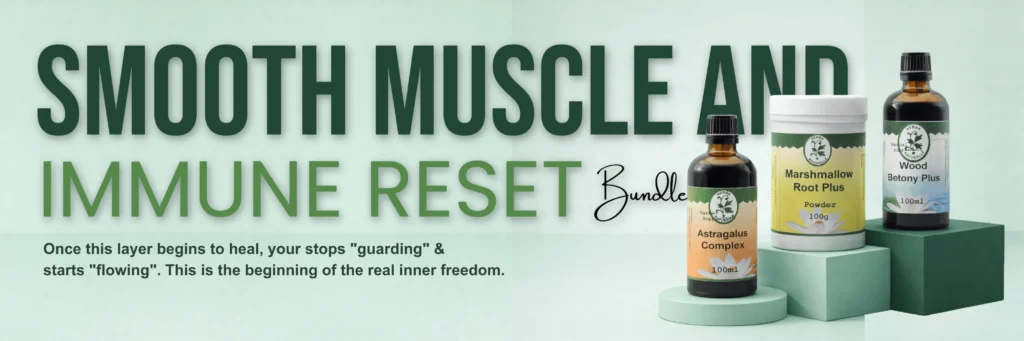
At Herba Naturalle, Turmeric is listed in the comprehensive herb index as the premier systemic anti-inflammatory herb — directly embodying the inflammation pandemic framework that Anjela Jeganathan has developed across the Stop the Inflammation Pandemic series. The Smooth Muscle and Immune Reset Bundle addresses the smooth muscle lining inflammation that turmeric targets systemically.
Active Compounds
- Curcuminoids — curcumin (primary), demethoxycurcumin, bisdemethoxycurcumin; the yellow pigments responsible for the colour and the vast majority of the pharmacological activity
- Curcumin’s mechanism: Simultaneously inhibits NF-κB (master inflammatory transcription factor), COX-2, 5-LOX, TNF-alpha, IL-1, IL-6, and multiple other inflammatory signalling molecules — an extraordinary breadth of anti-inflammatory action
- Volatile oil — turmerone, zingiberene; contributing digestive and anti-inflammatory activity
- Polysaccharides — with immunomodulatory activity
Bioavailability — The Critical Issue
Curcumin has notoriously poor oral bioavailability in its unenhanced form — it is poorly absorbed and rapidly metabolised. Solutions:
- Black pepper (piperine): 20-fold increase in bioavailability (the combination found in most quality supplements)
- Fat-soluble formulations (phospholipid complexes): Significantly improved absorption
- Nano-curcumin formulations: Pharmaceutical-grade enhanced bioavailability
- Cooking turmeric in fat: The traditional method in South Asian cuisine — fat-soluble curcumin is better absorbed with dietary fats
Clinical Evidence and Applications
Osteoarthritis and Rheumatoid Arthritis
The most clinically validated application. Multiple RCTs confirm curcumin preparations as effective as ibuprofen for osteoarthritis pain, with comparable efficacy for RA symptom management — but without NSAID gastrointestinal side effects. Directly relevant to Inflammation in Muscles and Joints: The Hidden Link to Autoimmunity.
Digestive Health and IBD
Curcumin reduces intestinal inflammation in Crohn’s disease and ulcerative colitis — with trials showing comparable remission rates to pharmaceutical sulfasalazine in some studies. The Digestive Reset Bundle provides complementary digestive support.
Cardiovascular Protection
Curcumin improves endothelial function, reduces LDL oxidation, and decreases inflammatory cardiovascular markers — directly relevant to Healing the Heart.
Metabolic Syndrome and Diabetes
Multiple trials confirm improvements in insulin resistance, fasting glucose, HbA1c, and lipid profiles with curcumin supplementation.
Neuroprotection and Alzheimer’s Prevention
Curcumin crosses the blood-brain barrier, reduces amyloid-beta plaques, and provides powerful neuroprotection — relevant to age-related cognitive decline prevention.
Cancer Prevention
The most researched natural anti-cancer compound — with documented pro-apoptotic, anti-angiogenic, and tumour-growth-inhibiting effects in laboratory and early clinical studies across multiple cancer types. Always used under oncological supervision.
Relevant Blog Posts
- Inflammation in Muscles and Joints: The Hidden Link to Autoimmunity
- Healing the Heart: Understanding and Reversing Inflammation in the Cardiovascular System
- Stop the Inflammation Pandemic: The Digestive System (Part 1)
- Stop the Inflammation Pandemic – The Lymphatic System
- Welcome to the Final Episode of the Inflammation Pandemic Series
How to Use
- Standardised extract with piperine: 500–1000mg curcumin twice daily with black pepper extract — the most evidence-backed supplementation form
- Culinary: 1–2 teaspoons daily in cooking with black pepper and fat — the most bioavailable traditional form
- Golden Milk: Turmeric with black pepper, ginger, and warm milk or plant milk — a traditional daily tonic
Safety
- Excellent safety profile at culinary and standard supplementation doses
- Blood-thinning medications: Curcumin has antiplatelet activity — professional guidance alongside warfarin or aspirin
- Bile duct obstruction or gallstones: The choleretic action may worsen biliary colic
- Chemotherapy drugs: May interact with some chemotherapeutic agents — discuss with oncologist
- Pregnancy: Culinary amounts safe; high-dose supplementation avoid
Contact Herba Naturalle for anti-inflammatory herbal support. Browse all products and the full herb index.
This article is for informational purposes only. Please consult a qualified medical herbalist before use.
Our Trending Products & Bundles
-
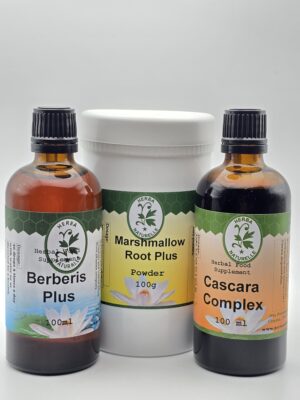 Digestive reset bundle
Original price was: £151.65.£144.95Current price is: £144.95.
Digestive reset bundle
Original price was: £151.65.£144.95Current price is: £144.95.
-
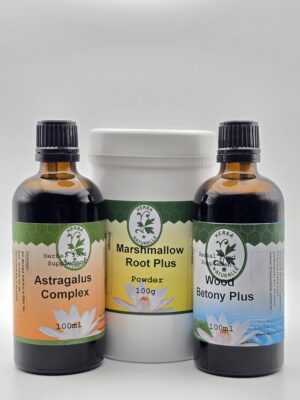 Smooth muscle and immune reset Bundle
Original price was: £177.60.£159.95Current price is: £159.95.
Smooth muscle and immune reset Bundle
Original price was: £177.60.£159.95Current price is: £159.95.
-
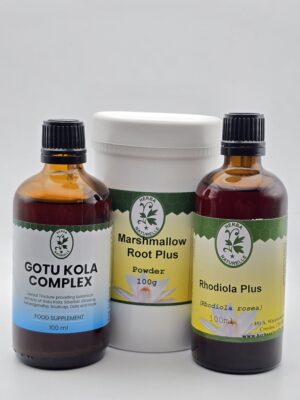 Nervous System Reset
Original price was: £163.68.£149.95Current price is: £149.95.
Nervous System Reset
Original price was: £163.68.£149.95Current price is: £149.95.
-
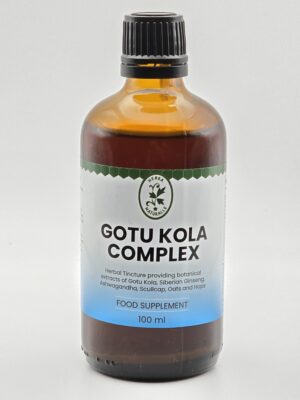 Gotu Kola Complex
£26.95
Gotu Kola Complex
£26.95

About the Author

Holistic Herbalist in UK · 30 Years of Excellence at Croydon, GB
Angela Jegnathan brings over 30 years of experience in integrated medicine and more than 25 years of full-time clinical herbal practice. Specializing in holistic herbal medicine, she focuses on restoring digestive health, calming the nervous system, and supporting the body's natural inflammatory response through evidence-based, patient-centered care.
Expertise: Holistic Herbs, Natural Medicines, Herbal Health
30 years of experience
