Ginger Tincture: Benefits, Dosage and How to Take It
Ginger is one of those herbs so familiar from the kitchen that people rarely think of it as medicine at all, reached for in tea form when nausea strikes and otherwise left in the spice rack the rest of the time. A tincture concentrates ginger’s active compounds into a far more potent, portable form than a weak cup of ginger tea, which matters considerably when nausea has already set in and the last thing anyone wants to do is wait for a kettle to boil, let alone sit and sip something warm while feeling queasy on a moving train or boat.
Why Ginger Works the Way It Does
Ginger’s traditional reputation for settling an unsettled stomach centres on compounds called gingerols and shogaols, which appear to act directly on the digestive tract and on the body’s nausea signalling pathways, rather than simply masking the sensation the way some anti nausea medications do. This dual action, calming the gut itself while also addressing the nervous system’s role in nausea, helps explain why ginger has such a broad traditional reputation, used for everything from morning sickness to seasickness to the nausea that sometimes accompanies migraines, a breadth of traditional use that few other single herbs can genuinely claim.
Typical Dosage and How to Take It
Tincture strength varies by product, so always check the specific label rather than assuming a universal dose. As a general guide, ginger tinctures are commonly taken at one to two millilitres, repeated every few hours as needed during acute nausea, up to around three to four times a day, diluted in a small amount of water. For ongoing digestive support rather than acute nausea, a smaller, regular dose taken before meals is a more typical pattern. Ginger tincture has a warming, spicy taste that most people find pleasant even undiluted, unlike some of the more bitter herbal tinctures, which makes it one of the easier tinctures to actually stick with consistently.
Nausea, Morning Sickness and Motion Sickness
Ginger’s best known traditional use is for nausea in its various forms, and our article on natural remedies for nausea and morning sickness covers this specific application in much more depth, including important safety considerations during pregnancy. Our dedicated piece on herbs for motion sickness and travel nausea covers ginger’s traditional use for travel sickness specifically, a use with some of the strongest research support of any of ginger’s traditional applications, consistently outperforming placebo in trials looking at sea sickness and similar motion induced nausea.
Digestive Comfort Beyond Nausea
Ginger’s warming, carminative action extends well beyond nausea alone, and our broader article on herbal medicine for digestive health places it within a wider toolkit of digestive herbs, since it is rarely used in isolation in a well considered herbal formula. For anyone recovering from a stomach bug, our article on gastritis and sickness bugs is worth reading alongside this one, and our piece on how to get rid of bloating and trapped wind covers ginger’s traditional carminative role in easing trapped gas specifically. Our article on peppermint oil capsules for IBS discusses a complementary digestive herb often used alongside ginger.
A Herb That Travels Well in More Ways Than One
Part of ginger’s enduring popularity comes down to simple practicality. Unlike many herbs that need refrigeration, careful storage, or a very specific preparation method to work well, a ginger tincture sits happily in a bag, a desk drawer or a glovebox for months, ready the moment nausea strikes rather than requiring any advance preparation. This matters more than it sounds, since the herbs that actually get used consistently tend to be the ones that fit easily into real, busy lives, rather than the ones that look impressive in a cupboard but never quite make it into someone’s daily routine because they are inconvenient to reach for.
Circulation and Joint Comfort
Beyond digestion, ginger has a traditional reputation for supporting healthy circulation and easing joint discomfort, an anti-inflammatory application our article on understanding inflammation provides useful background on. Our dedicated article on herbal medicine for arthritis and joint pain discusses ginger alongside other anti-inflammatory herbs, and for circulation specifically, cinnamon bark is often paired with ginger for a warming, synergistic effect. Our broader article on herbal medicine for heart health touches on this circulatory angle too, and it is one of the lesser known reasons herbalists sometimes include ginger in formulas that, on the surface, have nothing obviously to do with digestion at all.
Absorption and Pairing
As with many herbs, ginger’s active compounds are better absorbed when paired thoughtfully, and black pepper is traditionally used in Ayurvedic practice to enhance the effect of warming digestive herbs like ginger, much as it does for turmeric. This pairing reflects a broader principle in traditional formulation, where warming, stimulating herbs are deliberately combined to amplify each other’s effect rather than simply stacked together without much thought, a principle worth bearing in mind if you are building your own small herbal first aid kit at home rather than relying on a single tincture for everything.
Travel and Everyday Use
Ginger tincture travels well, fitting easily into a bag for long journeys, which is part of why it pairs so naturally with the advice in our article on natural remedies for jet lag and travel fatigue, since travel so often brings nausea, digestive upset and fatigue together in the same uncomfortable few days, with little warning about which one will strike first. A small bottle tucked into hand luggage, used at the very first hint of queasiness on a flight or a winding car journey, has saved more than a few holidays from being written off entirely.
Who Should Be Cautious
Ginger is generally very well tolerated, but it has a mild traditional reputation for thinning the blood, so anyone on anticoagulant medication should check with a doctor or pharmacist before taking a concentrated tincture regularly. It can also worsen symptoms for some people with gallstones, given its traditional cholagogue action. During pregnancy, ginger is widely considered safe in food level amounts, though concentrated tinctures should only be used with professional guidance, a distinction our nausea and morning sickness article covers more fully, since the concentration in a tincture is considerably higher than anything achieved through diet alone.
A Realistic, Honest View
We want to be upfront: ginger is a genuinely well supported herb for mild to moderate nausea, but it is not appropriate for every cause of nausea, and persistent, severe or unexplained nausea always deserves proper medical assessment rather than being managed with herbs alone, however reliably ginger has worked for milder episodes in the past. Our guide on when to use herbal medicine is a useful starting point for understanding where herbal support fits. Our broader philosophy on preventive health and herbal medicine also applies here, supporting digestive resilience generally rather than only reaching for ginger once nausea has already struck.
Discuss Your Case With a Herbalist
Because persistent digestive symptoms can have many different underlying causes, a proper consultation gives far more reliable guidance than self selecting a tincture based on a single symptom and hoping for the best. Learn more about our clinical approach, or read through our patient success stories to see how other people have addressed digestive discomfort with a properly tailored herbal plan rather than a single herb picked at random off a shelf.
Our Trending Products & Bundles
-
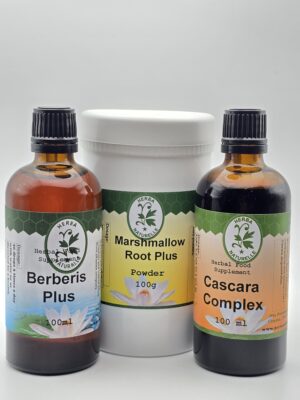 Digestive reset bundle
Original price was: £151.65.£144.95Current price is: £144.95.
-
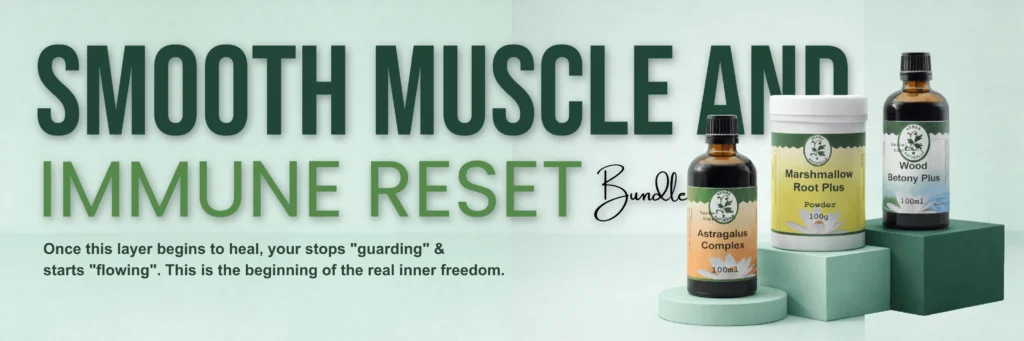
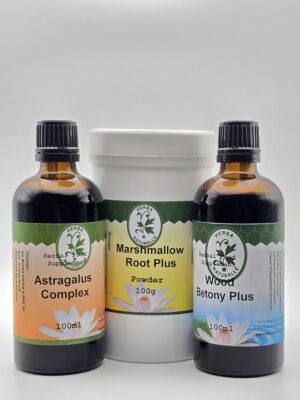 Smooth muscle and immune reset Bundle
Original price was: £177.60.£159.95Current price is: £159.95.
-
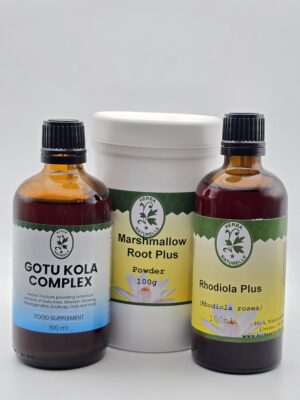 Nervous System Reset
Original price was: £163.68.£149.95Current price is: £149.95.
-
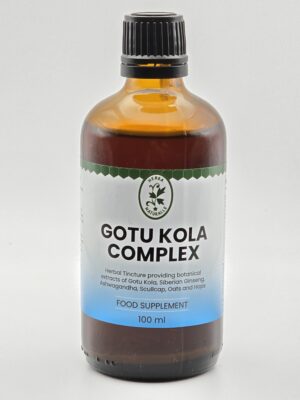 Gotu Kola Complex
£26.95

About the Author

Holistic Herbalist in UK · 30 Years of Excellence at Croydon, GB
Angela Jegnathan brings over 30 years of experience in integrated medicine and more than 25 years of full-time clinical herbal practice. Specializing in holistic herbal medicine, she focuses on restoring digestive health, calming the nervous system, and supporting the body's natural inflammatory response through evidence-based, patient-centered care.
Expertise: Holistic Herbs, Natural Medicines, Herbal Health
30 years of experience
