Sage Leaf (Salvia officinalis): The Wise Woman’s Herb
Sage — Salvia officinalis — takes its genus name from the Latin salvare (“to save”) — a reflection of the enormous esteem in which the ancient Romans held this herb. “Why should a man die who has Sage growing in his garden?” asked a medieval proverb, and while this is clearly hyperbole, Sage’s genuinely impressive range of clinical applications — spanning menopausal symptom relief, cognitive enhancement, antimicrobial action, and blood sugar regulation — makes it one of the most clinically well-rounded herbs in the Western materia medica.
At Herba Naturalle, Sage Leaf is listed in the comprehensive herb index as a primary female hormonal and cognitive herb — complementing the Shatavari Complex for menopausal support.
Active Compounds
- Volatile oil — thujone, camphor, 1,8-cineole, borneol; antimicrobial, antispasmodic, and phyto-oestrogenic; also responsible for the taste and aroma
- Rosmarinic acid — the same potent polyphenol as in Rosemary; antioxidant, anti-inflammatory, and neuroprotective
- Diterpenoids (carnosic acid, carnosol) — antioxidant and anti-inflammatory; among the most potent natural antioxidants
- Flavonoids — luteolin, apigenin; anti-inflammatory and oestrogenic modulating activity
- Ursolic and oleanolic acid — anti-inflammatory triterpenes
Clinical Evidence and Applications
Menopausal Hot Flushes
The most clinically validated application. A Swiss clinical trial published in Advances in Therapy (2011) found that fresh sage preparation significantly reduced hot flushes over 8 weeks — with total hot flushes falling by 64% and intense hot flushes by 79%. The mechanism involves both phyto-oestrogenic flavonoid activity and the thujone-mediated inhibition of the thermoregulatory overactivation that causes hot flushes. The Shatavari Complex provides complementary female hormonal support.
Cognitive Function and Memory
Sage was the first herb found to inhibit acetylcholinesterase (AChE) — the enzyme that breaks down the memory neurotransmitter acetylcholine; the same enzyme targeted by pharmaceutical Alzheimer’s drugs. Multiple RCTs demonstrate improvements in memory and attention in both young adults and those with mild cognitive impairment.
Sore Throat and Antimicrobial
Sage gargle preparations are among the most effective natural remedies for acute pharyngitis — a clinical trial found 15% sage throat spray comparable to pharmaceutical lidocaine/chlorhexidine spray for sore throat pain relief.
Blood Sugar Regulation
Sage inhibits the enzyme that releases glucose from starch (alpha-glucosidase) — reducing post-meal blood sugar rises.
Excessive Sweating (Hyperhidrosis)
The thujone and tannin content of Sage reduces sweat gland secretion — used clinically for excessive sweating as well as for the night sweats of menopause.
Relevant Blog Posts
- Stop the Inflammation Pandemic: Inflammation in the Female Reproductive System
- Inflammation of the Surface Nervous System: Where Healing Begins
- Stop the Inflammation Pandemic: Breathe Easy – Inflammation in the Nose, Sinuses, and Lungs
- Stop the Inflammation Pandemic – The Lymphatic System
- Welcome to the Final Episode of the Inflammation Pandemic Series
How to Use
- Tea: 2–3g dried leaf steeped 10 minutes; 3 cups daily for menopausal and cognitive applications; gargle with cooled tea for sore throat
- Tincture (1:3): 2–4ml three times daily
- Fresh sage tincture/preparation: The form used in the hot flush clinical trial — fresh sage juice preparations may be more effective than dried herb preparations
Safety
- Pregnancy: Contraindicated — the volatile oil (especially thujone) is uterotonic
- Epilepsy: The thujone and camphor content has proconvulsant potential at high doses — avoid high therapeutic doses in epilepsy
- Breastfeeding: High doses reduce milk production through the anti-secretory mechanism that makes it useful for weaning
Contact Herba Naturalle for menopausal and cognitive herbal support. Browse all products and the full herb index.
This article is for informational purposes only. Please consult a qualified medical herbalist before use.
Our Trending Products & Bundles
-
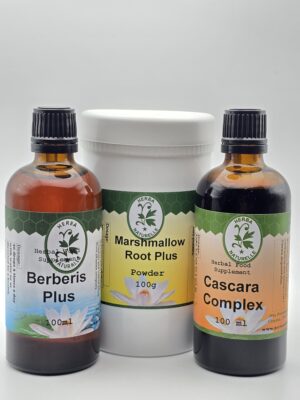 Digestive reset bundle
Original price was: £151.65.£144.95Current price is: £144.95.
Digestive reset bundle
Original price was: £151.65.£144.95Current price is: £144.95.
-
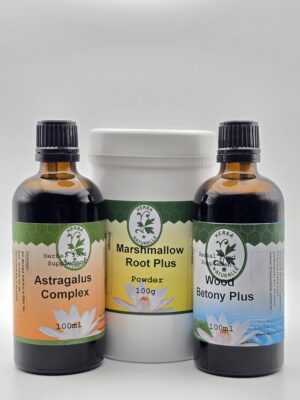 Smooth muscle and immune reset Bundle
Original price was: £177.60.£159.95Current price is: £159.95.
Smooth muscle and immune reset Bundle
Original price was: £177.60.£159.95Current price is: £159.95.
-
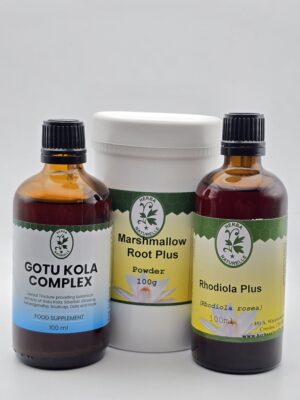 Nervous System Reset
Original price was: £163.68.£149.95Current price is: £149.95.
Nervous System Reset
Original price was: £163.68.£149.95Current price is: £149.95.
-
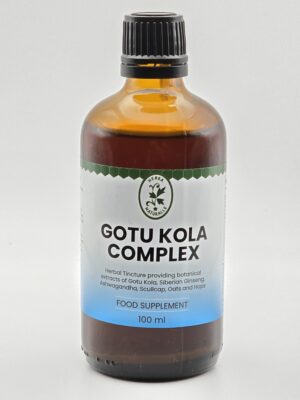 Gotu Kola Complex
£26.95
Gotu Kola Complex
£26.95


About the Author

Holistic Herbalist in UK · 30 Years of Excellence at Croydon, GB
Angela Jegnathan brings over 30 years of experience in integrated medicine and more than 25 years of full-time clinical herbal practice. Specializing in holistic herbal medicine, she focuses on restoring digestive health, calming the nervous system, and supporting the body's natural inflammatory response through evidence-based, patient-centered care.
Expertise: Holistic Herbs, Natural Medicines, Herbal Health
30 years of experience
