

Herbs for Overactive Nervous System | Clinical Insights
Herbs for overactive nervous system support are among the most frequently requested forms of help in clinical practice. Many people describe feeling constantly “switched on,” unable to fully relax, or stuck in a pattern of mental and physical tension even when life appears relatively calm. Sleep may be light or unrefreshing, and stress tolerance often feels lower than it used to be.
While short-term calming techniques can help, herbs for overactive nervous system regulation are often used when the pattern has become more established. A medical herbalist does not simply aim to sedate the system. The goal is to support the nervous system in shifting out of a prolonged state of alert and back toward a more balanced rhythm.
This article explores the most useful herbs for overactive nervous system patterns, how they are typically used, and why they work best as part of a wider approach. You can learn more about the overall clinical framework on the homepage and the About Herbal Medicine page.
What an Overactive Nervous System Can Feel Like
An overactive nervous system does not always present as obvious anxiety. In many cases the signs are more subtle and physical. Common experiences include:
- Difficulty switching off at the end of the day
- A sense of internal restlessness
- Light or broken sleep
- Feeling tired yet mentally wired
- Digestive symptoms that worsen under pressure
- Heightened sensitivity to noise, caffeine or stress
- A short fuse or reduced emotional resilience
These patterns often develop gradually. Over time the nervous system can become less efficient at returning to a calm baseline, which then affects sleep, digestion and overall energy.
Why Herbs for Overactive Nervous System Support Are Useful
Herbs for overactive nervous system regulation work in several complementary ways. Some help reduce excessive nerve signalling, others support the body’s natural calming pathways, and some improve resilience so the system is less easily triggered.
Unlike stronger pharmaceutical sedatives, well-chosen herbs are generally used to restore regulation rather than simply suppress symptoms. This makes them particularly suitable for people who need ongoing support without heavy drowsiness during the day.
Because the nervous system is closely linked with digestion and smooth muscle function, herbs for overactive nervous system support are often combined with other measures. This is one of the reasons why a layered approach tends to produce better long-term results. You can read more about this framework in the article on the 3 layer healing approach and related posts on the blog.
Key Herbs Commonly Used for an Overactive Nervous System
Several herbs have a long tradition of use and growing clinical relevance for nervous system regulation. The most appropriate choice always depends on the individual pattern, but the following are among the most frequently used.
Lemon Balm (Melissa officinalis)
Lemon balm is gentle yet effective for people who feel mentally overstimulated or mildly agitated. It is often helpful when nervous tension also affects digestion. Many people find it calming without significant sedation.
Passionflower (Passiflora incarnata)
Passionflower is frequently used when the mind feels racing, especially in the evening. It can support the transition into sleep and is often chosen for circular thinking or difficulty quietening mental activity.
Ashwagandha (Withania somnifera)
Ashwagandha is typically used when the nervous system shows signs of long-term depletion as well as over-activity. It is often suitable for the “wired but tired” pattern and may support more stable energy over time.
Skullcap (Scutellaria lateriflora)
Skullcap is traditionally used for nervous tension that has a physical component, such as muscle tightness or a feeling of being wound up. It is often included when stress is held in the body.
Valerian (Valeriana officinalis)
Valerian is better known for sleep support, but in lower amounts it can also help settle an overactive nervous system during the day. It is usually chosen carefully according to individual response.
These herbs for overactive nervous system support are rarely used in isolation in clinical practice. The combination and dosage are adjusted according to the person’s wider pattern, including digestion and sleep quality. More information about individual herbs can be found on the Herbs page.
How These Herbs Fit into a Wider Clinical Approach
In the framework used at Herba Naturalle, the surface nervous system forms the second of three key layers. The first layer involves digestive and elimination pathways, and the third involves the smooth muscle lining of organs and vessels.
When the nervous system remains overactive, it can disturb digestion and maintain tension in smooth muscle. This is why herbs for overactive nervous system support are often combined with digestive and tissue-level support. Targeted help for the nervous system layer is available through the Nervous System Reset. You can also explore the full range of protocols on the Bundle page.
Practical Considerations When Using Herbs for Nervous System Support
Herbs for overactive nervous system regulation tend to work best when certain foundations are also in place:
- Evening stimulation (especially screens) is reduced
- A consistent wind-down routine is followed
- Digestion is reasonably comfortable
- Sleep timing is kept as regular as possible
- Strong stimulants are limited later in the day
These simple measures help the herbs work more effectively. Without them, progress can be slower even with well-chosen herbal support.
What to Expect in a Consultation
During a consultation, a detailed history is taken to understand the individual nervous system pattern. This includes sleep quality, stress response, digestive function, energy levels and the timeline of how symptoms developed.
The aim is to select the most appropriate herbs for overactive nervous system support and to place them within a wider plan if needed. Full details about the process are available on the Consultations and Fees page. You may also find the Case Scenarios and FAQ sections helpful.
When Professional Guidance Is Especially Useful
Professional support is particularly relevant when:
- Symptoms have been present for many months or years
- Self-selected calming herbs have only given limited benefit
- Sleep remains poor despite good habits
- Nervous system symptoms appear linked with digestive or inflammatory issues
If this sounds familiar, you can begin by learning more on the homepage or by getting in touch through the Contact page.
Final Thoughts
Herbs for overactive nervous system support can play a valuable role in helping the body shift out of a prolonged state of alert. When chosen carefully and used as part of a wider approach, they often help improve sleep quality, stress tolerance and overall resilience.
Lasting change usually comes from addressing the nervous system alongside digestion and tissue-level tension rather than focusing on calming herbs alone. This integrated perspective forms a central part of the clinical work offered at Herba Naturalle.
If you would like to explore whether this approach is suitable for your situation, the next step is usually a detailed consultation. Full information is available on the Consultations and Fees page.
Our Trending Products & Bundles
-
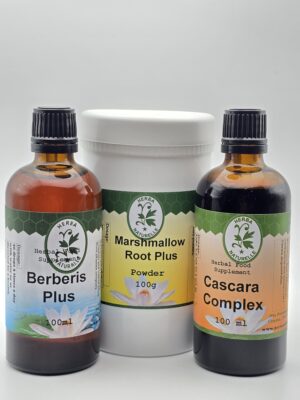 Digestive reset bundle
Original price was: £151.65.£144.95Current price is: £144.95.
-
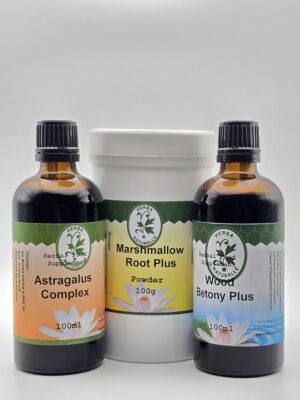 Smooth muscle and immune reset Bundle
Original price was: £177.60.£159.95Current price is: £159.95.
-
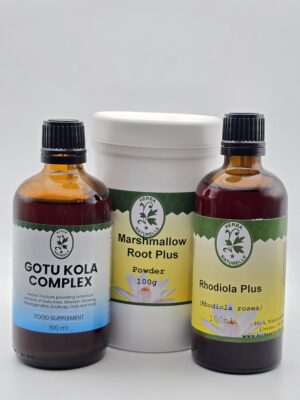 Nervous System Reset
Original price was: £163.68.£149.95Current price is: £149.95.
-
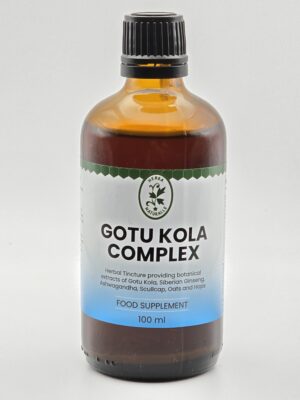 Gotu Kola Complex
£26.95


About the Author

Holistic Herbalist in UK · 30 Years of Excellence at Croydon, GB
Angela Jegnathan brings over 30 years of experience in integrated medicine and more than 25 years of full-time clinical herbal practice. Specializing in holistic herbal medicine, she focuses on restoring digestive health, calming the nervous system, and supporting the body's natural inflammatory response through evidence-based, patient-centered care.
Expertise: Holistic Herbs, Natural Medicines, Herbal Health
30 years of experience
