Valerian Root Tincture: A Complete Guide to Benefits, Dosage, and Safe Use
Written by Anjela Jeganathan, Medical Herbalist (MNIMH), 30+ years of clinical practice in herbal medicine, London, UK. Learn more about Anjela →
Key Takeaways
- Valerian root tincture is a liquid extract of Valeriana officinalis, one of the most widely used herbal sleep aids in the UK and across Europe
- Its active compounds, valerenic acid and valepotriates, act on GABA receptors in the brain, producing a calming effect without the dependency risk of pharmaceutical sedatives
- For sleep: 2–4ml of a 1:5 tincture taken 30–60 minutes before bed; for daytime anxiety: 1–2ml two to three times daily
- Effects are gradual, most people notice meaningful improvement after 2–4 weeks of consistent use rather than after a single dose
- Tincture absorbs faster than capsules and preserves a broader spectrum of active compounds, including volatile constituents lost during drying and encapsulation
- Not recommended during pregnancy or alongside sedative medications without professional guidance
- Valerian is approved as a licensed herbal medicinal product in Germany and several other European countries for sleep disturbance and mild nervous tension
Valerian root (Valeriana officinalis) has been used as a herbal remedy for sleep and anxiety for more than two thousand years, with references in the medical literature as far back as ancient Greece and Rome. Today it remains one of the most widely used herbal sleep aids in the UK, available in several forms, including the traditional tincture. This guide covers how valerian root tincture works, what it is used for, how to take it, safety considerations, and how it compares to other preparations.
What Is Valerian Root Tincture?
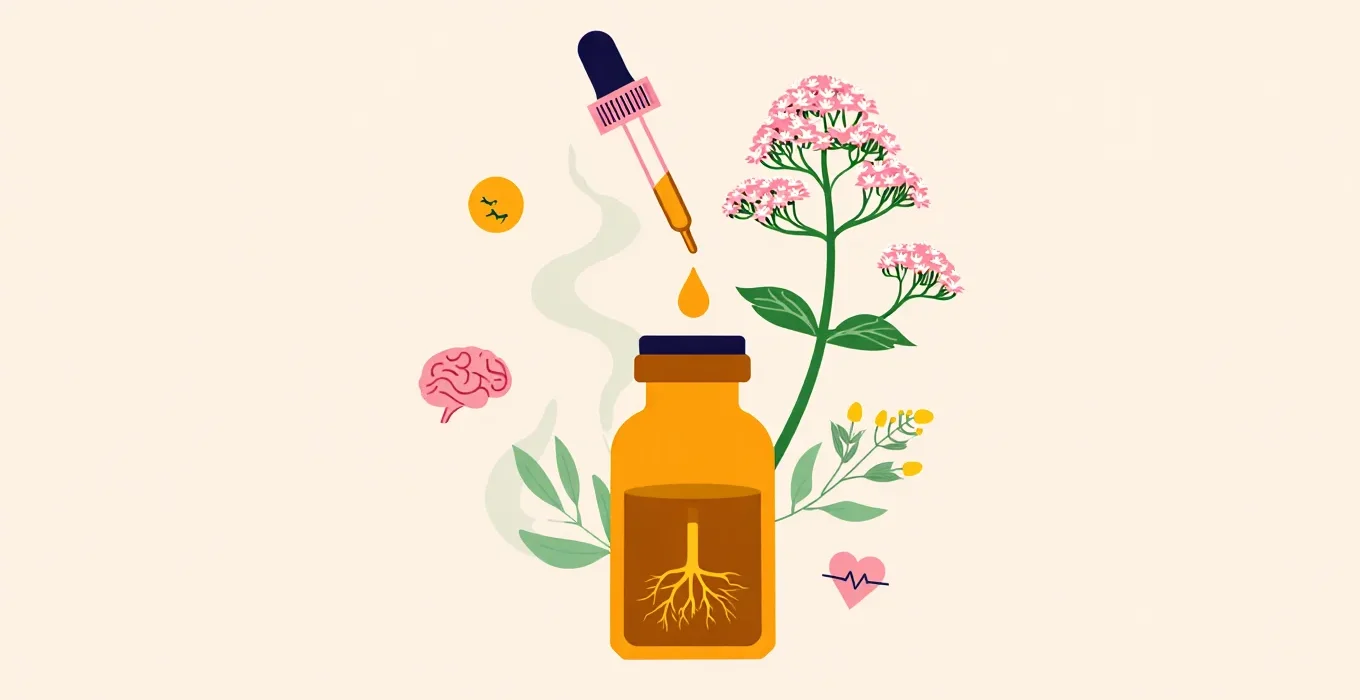
A tincture is a liquid herbal extract made by soaking plant material, in this case, valerian root, in alcohol, typically ethanol, for a period of weeks, then straining the liquid and bottling it. The alcohol acts as both a solvent (drawing out the active compounds from the plant) and a preservative (extending the shelf life of the preparation).
Valerian root tincture retains the full spectrum of the plant’s active constituents in a concentrated, rapidly absorbed form. It is typically taken in small doses, drops or millilitres, diluted in water or juice.
What Are the Active Compounds in Valerian Root?
Valerian root contains several pharmacologically active compounds, though their exact mechanisms are still being studied:
- Valerenic acid: thought to modulate GABA receptors in the brain, producing a calming effect similar to (but milder than) benzodiazepine drugs
- Isovaleric acid: contributes to the characteristic pungent smell of valerian
- Flavonoids including linarin and hesperidin: may contribute to sedative effects
- Iridoid compounds (valepotriates): present in fresh root and some tinctures; thought to contribute to anxiolytic effects
- GABA: present at low levels in the root itself; may contribute to the overall calming effect
- Lignans: additional compounds that may support the herb’s nervous system activity
The tincture form is generally considered superior for preserving the full range of these constituents compared to dried capsules or tablets, where some volatile compounds may be lost during processing.
What Does the Research Say?
The evidence base for valerian root is growing, though mixed across studies. A 2020 systematic review and meta-analysis published in the Journal of Evidence-Based Integrative Medicine analysed 60 studies conducted over nearly 40 years and concluded that valerian root can likely improve sleep quality and reduce anxiety in many people, with a notably low side-effect profile compared to pharmaceutical alternatives.
Research into valerenic acid has clarified at least one mechanism of action: it acts as a partial agonist at GABA-A receptors, the same receptors targeted by benzodiazepines, but without the dependency, tolerance, or withdrawal effects associated with pharmaceutical sedatives.
For menopause-related sleep disturbance, a double-blind clinical trial found significant improvements in sleep quality in postmenopausal women taking valerian extract compared to placebo. A further study found valerian extract measurably altered functional brain connectivity in a randomised placebo-controlled trial, suggesting genuine neurological activity rather than placebo response alone.
Valerian is approved as a licensed herbal medicinal product in Germany and several other European countries, a regulatory standard that requires evidence of both efficacy and safety for the approved indication of mild nervous tension and sleep disturbance.
As with all herbal medicine research, study quality varies and individual responses differ. This information is for educational purposes and does not constitute medical advice.
What Is Valerian Root Tincture Used For?
Sleep Support
Valerian is most widely used for sleep difficulties, particularly difficulty falling asleep and improving overall sleep quality. Evidence from clinical trials is mixed but generally positive, particularly for subjective sleep quality, how rested a person feels, rather than purely objective sleep onset measures. It is especially useful for sleep disruption driven by an overactive mind or nervous tension rather than a primary sleep disorder.
Anxiety and Stress
Valerian root has a long tradition in Western herbal medicine as a nervine, a herb that calms and supports the nervous system. It is used for anxiety, nervous tension, and the physical symptoms of stress such as palpitations, muscle tension, and restlessness. Unlike stronger sedatives, it can be used in lower doses during the day without causing significant drowsiness.
Restless Legs and Muscle Tension
Some clinical use and traditional evidence supports valerian’s use for restless legs syndrome and muscle cramping, possibly via its effects on smooth muscle relaxation. It is often combined with cramp bark (Viburnum opulus) in herbal practice for this purpose.
Menopausal Symptoms
Some small studies have suggested benefit for hot flushes and sleep disturbance associated with menopause, though evidence in this area is still developing. In clinical herbal practice, valerian is frequently combined with other herbs, such as sage (Salvia officinalis) or red clover, for a more comprehensive menopausal protocol.
Headaches and Tension
Valerian has a long traditional use for tension headaches and stress-related head pain. Its muscle-relaxant and nervine properties make it a logical choice for headache patterns associated with anxiety, jaw clenching, or neck tension.
How to Take Valerian Root Tincture
Dosage varies depending on the concentration of the tincture (expressed as a ratio such as 1:3 or 1:5) and the condition being addressed. General guidance from Western herbal medicine practice:
- For sleep: 2 to 4ml of a 1:5 tincture, taken 30 to 60 minutes before bed
- For anxiety: smaller doses (1 to 2ml) taken two to three times during the day
- Dilute in a small glass of water or juice, valerian has a strong, earthy taste that many people find easier to take in juice
It is important to start at the lower end of the dose range and increase gradually if needed. Consult a qualified herbal practitioner for personalised guidance, particularly if taking other medications.
Dosage Quick-Reference Table
| Purpose | Dose (1:5 tincture) | Timing | Notes |
|---|---|---|---|
| Sleep difficulty falling asleep | 2–4ml | 30–60 mins before bed | Dilute in water or juice |
| Daytime anxiety / nervous tension | 1–2ml | 2–3 times during the day | Lower dose to avoid drowsiness |
| Restless legs / muscle tension | 2–3ml | Evening | Can combine with cramp bark |
| Menopausal sleep disturbance | 2–4ml | Before bed | Consider combining with sage |
| Stress-related headaches | 1–2ml | As needed during the day | Combine with lemon balm if gut symptoms present |
Always start at the lower end of the dose range. Doses refer to a standard 1:5 tincture; adjust if using a more concentrated 1:3 preparation. Seek professional guidance for long-term or high-dose use.
How Long Does Valerian Root Tincture Take to Work?
Unlike pharmaceutical sedatives, valerian does not typically produce an immediate strong effect. Many people find that it takes two to four weeks of regular use before the full benefits become apparent. This is consistent with the way many nervine herbs work, gradually supporting and restoring nervous system function rather than producing acute suppression.
Some people do notice a mild calming effect after the first dose, particularly when using a tincture (which absorbs faster than capsules). However, expecting immediate sedation, as one might from a pharmaceutical sleeping tablet, will often lead to the conclusion that it “isn’t working” before the herb has had time to establish its effect.
Safety Considerations and Interactions
Valerian root tincture is generally well-tolerated, but some considerations apply:
- Alcohol content: tinctures contain alcohol, which may be a consideration for those avoiding alcohol for health or personal reasons. Glycerite extracts are an alcohol-free alternative, though they may not preserve the full spectrum of active compounds as effectively
- Drug interactions: valerian may potentiate the effects of sedative medications, benzodiazepines, antihistamines, barbiturates, opiates, and alcohol. Seek professional advice before combining with any of these
- Antidepressants: valerian should not be combined with sedating antidepressants or any medication acting on the central nervous system without first consulting your GP or a qualified medical herbalist
- Pregnancy and breastfeeding: valerian is generally not recommended during pregnancy due to insufficient safety data; seek professional advice before use
- Driving: there is some evidence that valerian may affect reaction time; caution is advised when driving after taking larger doses, particularly in the first days of use
- Morning drowsiness: some people experience grogginess the morning after taking valerian; reducing the dose or taking it slightly earlier in the evening usually resolves this
- Children under 3: valerian is not recommended for very young children; for older children and teenagers, always seek practitioner guidance before use
Valerian Tincture vs Capsules vs Tea: Which Is Better?
All three forms have merit, and the best choice depends on what you are treating and your personal preference.
| Format | Absorption Speed | Compound Preservation | Convenience | Taste |
|---|---|---|---|---|
| Tincture | Fast | Excellent, full spectrum | Moderate | Strong / earthy |
| Capsules / tablets | Slower | Good, some volatile loss | Very convenient | None |
| Tea (dried root) | Moderate | Moderate | Easy | Very strong |
- Tinctures offer rapid absorption, full-spectrum extraction, and flexibility in dosing, making them the preferred format in professional herbal practice and particularly useful for acute sleep support
- Capsules are more convenient, tasteless, and better for those who cannot tolerate alcohol, equally valid for long-term daily use
- Tea can be effective but valerian root tea has a notoriously challenging taste and the volatile compounds are less stable in hot water than in an alcohol extraction
Traditional herbal practice has long favoured tinctures for nervine herbs. If you are using valerian as part of a broader herbal protocol, a qualified herbalist may recommend it in combination with complementary herbs for synergistic effect.
How Valerian Compares to Other Sleep and Anxiety Herbs
Valerian is not the only herbal option for sleep and anxiety. Understanding how it compares helps in choosing the right herb, or the right combination.
| Herb | Best For | How It Compares to Valerian |
|---|---|---|
| Passionflower (Passiflora incarnata) | Anxiety with a racing or over-thinking mind | Gentler sedative; particularly good for thought-loop anxiety; pairs very well with valerian |
| Lemon balm (Melissa officinalis) | Anxiety with digestive symptoms; mild sleep difficulty | Milder and more pleasant tasting; good for anxiety where the gut is also affected |
| Hops (Humulus lupulus) | Sleep; especially for difficulty staying asleep | Enhances and complements valerian’s effect; traditionally combined with it |
| Ashwagandha (Withania somnifera) | Chronic stress, burnout, and adrenal fatigue | Adaptogen rather than sedative, different mechanism; good for exhausted anxiety |
| Lavender (oral, Silexan) | Mild to moderate anxiety; very well tolerated | Does not cause drowsiness; particularly suitable for daytime anxiety |
| Skullcap (Scutellaria lateriflora) | Nervous exhaustion; irritability with tension | Deeply restorative nervine; often combined with valerian in complex nervine formulas |
In clinical herbal practice, valerian is rarely used in isolation. A well-designed nervine formula, tailored to whether the primary issue is falling asleep, staying asleep, daytime anxiety, stress-related physical tension, or a combination, will often produce a much better outcome than any single herb alone.
Herbal Support for the Nervous System at Herba Naturalle
Valerian is one of several well-established nervine herbs used in Western herbal medicine for nervous system support. At Herba Naturalle, the approach to nervous system health goes beyond individual herbs, addressing the underlying layers of physiological imbalance that contribute to poor sleep, anxiety, and stress sensitivity.
The Nervous System Reset Bundle offers a comprehensive three-month herbal protocol designed to calm the surface nervous system, using formulations developed over 30 years of clinical practice.
If you are interested in a personalised herbal approach to sleep or anxiety, you can explore the full range of herbal products or book a consultation with Anjela directly.
Support Your Body Naturally With Herba Naturalle
If any of the topics in this article resonate with you, the Herba Naturalle Bundle page offers a structured, three-step herbal protocol designed to address chronic illness at the root. The approach, developed over 30 years of clinical practice by Anjela Jeganathan, works across three healing layers:
- Step 1: Digestive Reset: Restore digestive rhythm, nutrient absorption, and healthy elimination
- Step 2: Surface Nervous System Reset: Calm inner restlessness, reduce stress reactivity, and settle the mind
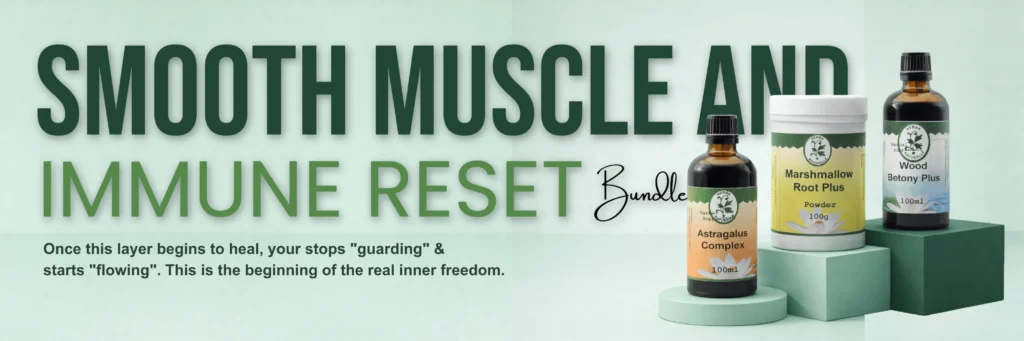
- Step 3: Smooth Muscle & Immune Lining Healing: Reduce chronic inflammation in the tissue lining surrounding organs, blood vessels, and immune pathways
Explore the full protocol at the Herba Naturalle Bundle page and find the starting point that matches your body’s needs.
Related Reading
- Valerian Root (Valeriana officinalis): The Sleep Herb, Full Herb Profile
- Passion Flower: The Anxiety Specialist
- Lemon Balm: The Calm and Gentle Antiviral
- Hops: The Calming Sedative Herb
- Scullcap Herb: The Premier Nervous System Herb
- How Chronic Stress Affects the Body and Natural Ways to Support Recovery
- Social Phobia (Social Anxiety Disorder): NHS Guidance and Complementary Approaches
- When to Use Herbal Medicine: A Practical Guide to Safe & Effective Natural Healing
Frequently Asked Questions
How long does valerian root tincture take to work? For sleep, some people notice a mild effect within the first few nights, but the full benefit typically builds over 2–4 weeks of regular use. Unlike pharmaceutical sedatives, valerian works by gradually restoring nervous system balance rather than producing immediate sedation. Tinctures generally act faster than capsules due to quicker absorption.
Can I take valerian root tincture every night? Yes, valerian is considered safe for regular nightly use in the short to medium term. It does not carry the dependency or withdrawal risks associated with prescription sleep medications. That said, it is generally good practice to take periodic breaks and to consult a practitioner for long-term use beyond three to four months.
Is valerian tincture better than valerian capsules? Tinctures are generally absorbed more quickly and preserve a broader range of active compounds, including volatile constituents that may be lost during drying and encapsulation. Capsules are more convenient and tasteless. For acute sleep support, tinctures have a practical advantage; for consistent long-term daily use, capsules are equally valid.
Can I take valerian tincture with antidepressants? Valerian should not be combined with sedating antidepressants, or with any medication that acts on the central nervous system, without first consulting your GP or a qualified medical herbalist. There is a risk of potentiating (strengthening) the sedative effect of certain drugs.
Does valerian tincture cause morning grogginess? Some people, particularly those taking higher doses, notice some grogginess on waking. If this occurs, reduce the dose by half or take it slightly earlier in the evening. Most people find this settles as the body adjusts.
What does valerian tincture taste like? Valerian has a distinctly earthy, pungent, and somewhat musty flavour. Many people dilute it in juice rather than water to mask the taste. It can also be combined in a formula with more pleasant-tasting herbs such as passionflower or lemon balm, which is common in professional herbal practice.
Can valerian tincture be used during the menopause? Valerian has some evidence for reducing sleep disturbance and hot flushes associated with menopause. It is frequently used in herbal medicine for this purpose, often in combination with sage or other relevant herbs. A qualified medical herbalist can advise on the most appropriate combination for individual needs.
Is valerian root tincture safe for older adults? Valerian is generally well tolerated in older adults. Caution is advised around driving and operating machinery, as it may affect reaction times, particularly at higher doses. Older people taking multiple medications should check for potential interactions with their GP or pharmacist before starting valerian.
Is valerian better than melatonin for sleep? They work differently. Melatonin primarily regulates the circadian rhythm, it signals to the body that it is night-time, making it most useful for jet lag or shift work. Valerian works on the nervous system’s level of tension and has a broader range of effects including anxiety reduction. For stress-related insomnia or an overactive mind at night, valerian is often the more appropriate choice. They can be used together in some circumstances; seek guidance if unsure.
Can children take valerian root tincture? Valerian is not recommended for children under 3. For older children and teenagers, valerian can be used but doses need to be significantly reduced and professional guidance is strongly recommended before giving any nervine herb to a child.
Have Questions? Get in Touch
If you would like personalised guidance or have questions about herbal support for your health, you are welcome to contact Anjela directly. She offers consultations tailored to your individual health needs, drawing on more than 30 years of clinical experience in Western herbal medicine.
Disclaimer: This article is written for informational purposes only and does not constitute medical advice. Always consult a qualified healthcare professional before starting any new supplement, particularly if you are taking prescribed medication, are pregnant or breastfeeding, or have an existing health condition.
Our Trending Products & Bundles
-
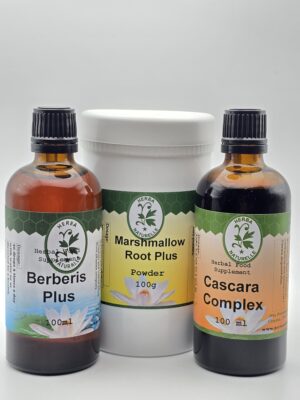 Digestive reset bundle
Original price was: £151.65.£144.95Current price is: £144.95.
Digestive reset bundle
Original price was: £151.65.£144.95Current price is: £144.95.
-
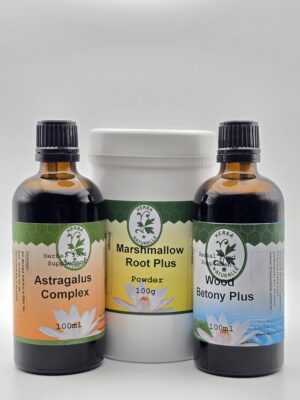 Smooth muscle and immune reset Bundle
Original price was: £177.60.£159.95Current price is: £159.95.
Smooth muscle and immune reset Bundle
Original price was: £177.60.£159.95Current price is: £159.95.
-
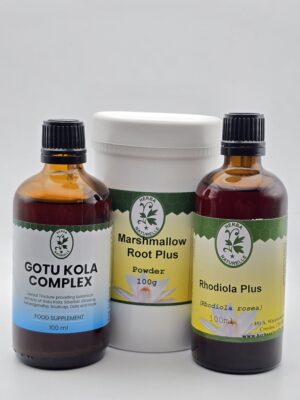 Nervous System Reset
Original price was: £163.68.£149.95Current price is: £149.95.
Nervous System Reset
Original price was: £163.68.£149.95Current price is: £149.95.
-
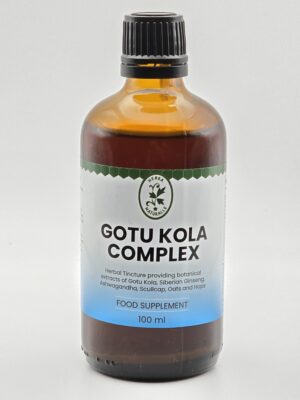 Gotu Kola Complex
£26.95
Gotu Kola Complex
£26.95