
How to Choose a Medical Herbalist in the UK
Choosing a medical herbalist in the UK can feel confusing if you are new to this type of care. Many people reach the point where they want a more root-cause approach to ongoing symptoms, yet they are unsure how to identify a properly trained and experienced practitioner.
Knowing how to choose a medical herbalist in the UK helps you avoid disappointment and find someone who works to a high professional standard. This article explains the key points to consider so you can make a confident and informed decision.
You can also explore the approach used at Herba Naturalle and learn more about the clinical philosophy on the About Herbal Medicine page.
Why Qualifications Matter When You Choose a Medical Herbalist in the UK
Not everyone who offers herbal advice has the same level of training. In the UK, medical herbalists who have completed recognised professional education undergo several years of study that includes:
- Anatomy, physiology and pathology
- Clinical examination skills
- Pharmacology and herb-drug interactions
- Materia medica (detailed knowledge of medicinal plants)
- Supervised clinical practice
When you choose a medical herbalist in the UK, looking for this depth of training is one of the most important first steps. Membership of a recognised professional body is also a strong indicator of standards.
The main professional organisations include the National Institute of Medical Herbalists (NIMH) and the College of Practitioners of Phytotherapy (CPP). Practitioners who belong to these bodies are required to maintain insurance and continue their professional development.
Questions to Ask Before You Book
Once you have checked basic qualifications, it is useful to ask a few practical questions. These help you understand how the practitioner works and whether their style suits your needs.
Useful questions include:
- How long have you been in clinical practice?
- Do you take a full case history in the first consultation?
- How do you decide which herbs to prescribe?
- Do you consider digestion, nervous system function and inflammation together?
- How do you monitor progress over time?
- Are you happy to work alongside conventional medical care when needed?
A clear and thoughtful response to these questions is usually a good sign. You can see how this type of detailed assessment is approached on the Consultations and Fees page.
Experience with Complex or Long-Standing Symptoms
Many people who seek herbal medicine have already tried several approaches. They may be dealing with ongoing digestive issues, fatigue, stress-related symptoms or low-grade inflammation that has not fully resolved.
When you choose a medical herbalist in the UK, it is worth asking whether the practitioner has substantial experience with longer-term or multi-system patterns. Clinical experience often makes a noticeable difference in how thoroughly the case is assessed and how the treatment plan is built.
You can review examples of real clinical work in the Case Scenarios section and read more about the overall method on the homepage.
The Importance of a Thorough First Consultation
A proper first consultation should not feel rushed. It usually involves a detailed discussion of:
- Current symptoms and their timeline
- Digestive function
- Sleep and energy patterns
- Stress levels and nervous system resilience
- Previous treatments and investigations
- Medication and supplement history
This depth of information allows the practitioner to understand the individual pattern rather than applying a generic protocol. A short or superficial consultation is less likely to lead to well-targeted support.
If you would like to understand what this process looks like in practice, the Consultations and Fees page provides clear information. You may also find the FAQ helpful.
Looking at the Wider Approach
Some practitioners focus mainly on symptom relief. Others work with a broader framework that considers digestion, the nervous system and tissue-level health together.
When you choose a medical herbalist in the UK, it can be useful to understand whether they take this kind of layered view. A root-cause approach often proves more helpful for people with long-standing or interconnected symptoms.
The clinical framework used at Herba Naturalle is based on three key layers: digestive and elimination pathways, the surface nervous system, and the smooth muscle lining. You can read more about this in the article on the 3 layer healing approach and related posts on the blog.
Practical Red Flags to Watch For
While many practitioners work to a high standard, there are a few points worth being cautious about:
- Claims of guaranteed results or “miracle” cures
- Very short consultations with little history-taking
- Pressure to buy large numbers of products immediately
- Reluctance to discuss qualifications or professional membership
- Advice that completely dismisses conventional medical care without good reason
A professional medical herbalist should be able to explain their training, their clinical reasoning and how they work alongside other healthcare when appropriate.
What Good Ongoing Support Looks Like
Effective care rarely ends after the first prescription. Follow-up appointments allow the practitioner to assess progress, adjust the herbal formula if needed, and support you through the process.
When you choose a medical herbalist in the UK, it is worth asking how follow-up is structured and how communication works between appointments. Clear and responsive support is an important part of a good clinical relationship.
You can explore the range of foundational protocols available on the Bundle page, including the Digestive Reset Bundle, Nervous System Reset and Smooth Muscle and Immune Reset Bundle.
Additional Resources to Help You Decide
If you are still researching, the following pages may be useful:
- About Anjela Jeganathan – background and clinical experience
- Herbs – educational information on individual plants
- Blog – articles on digestion, the nervous system and inflammation
- Contact – how to get in touch with questions
Taking time to read a practitioner’s written material can give you a clearer sense of their style and depth of knowledge before you book.
Final Thoughts
Knowing how to choose a medical herbalist in the UK comes down to a few core points: proper qualifications, clinical experience, a thorough assessment process, and a clear, thoughtful approach to care.
When these elements are present, herbal medicine can offer a valuable root-cause option for people dealing with ongoing symptoms that have not fully resolved through other routes.
If you would like to explore whether this style of work is suitable for your situation, the next step is usually a detailed consultation. Full information is available on the Consultations and Fees page, or you can return to the homepage to begin.
Our Trending Products & Bundles
-
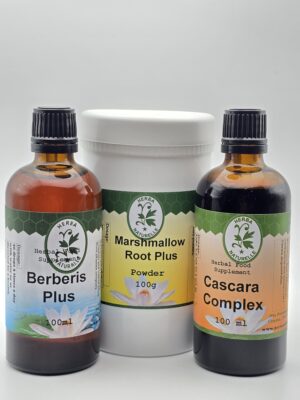 Digestive reset bundle
Original price was: £151.65.£144.95Current price is: £144.95.
-
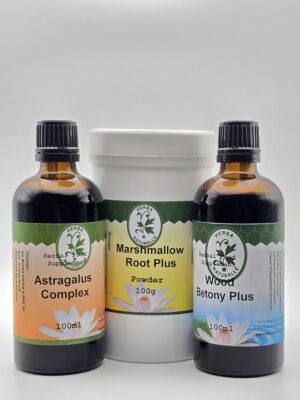 Smooth muscle and immune reset Bundle
Original price was: £177.60.£159.95Current price is: £159.95.
-
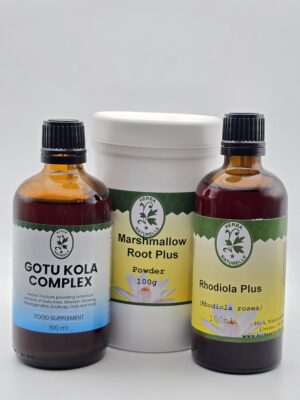 Nervous System Reset
Original price was: £163.68.£149.95Current price is: £149.95.
-
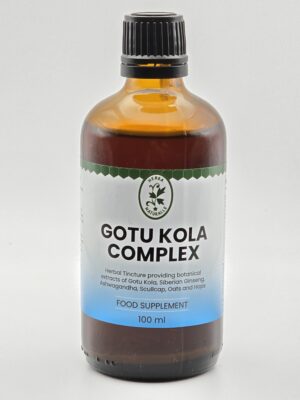 Gotu Kola Complex
£26.95


About the Author

Holistic Herbalist in UK · 30 Years of Excellence at Croydon, GB
Angela Jegnathan brings over 30 years of experience in integrated medicine and more than 25 years of full-time clinical herbal practice. Specializing in holistic herbal medicine, she focuses on restoring digestive health, calming the nervous system, and supporting the body's natural inflammatory response through evidence-based, patient-centered care.
Expertise: Holistic Herbs, Natural Medicines, Herbal Health
30 years of experience
