Herbal Support for the Vagus Nerve and the Gut Brain Connection
There’s a reason “gut feeling” isn’t just a figure of speech. The gut and brain are connected by a genuine, physical communication pathway, and increasingly, both researchers and clinicians are paying serious attention to just how much that connection shapes mood, digestion and overall resilience to stress. Herbal support for the vagus nerve has become a more common search in recent years, as this once obscure piece of anatomy has moved from specialist nerve textbooks into far more mainstream conversations about mental and digestive health.
Why This Field Has Gained So Much Attention Recently
Vagus nerve function has moved from a fairly niche area of physiology into much wider public awareness in recent years, partly driven by growing research interest in the gut brain axis, and partly by genuine clinical results seen in areas like heart rate variability training and vagal nerve stimulation therapies used for certain treatment-resistant conditions. This growing evidence base is part of why herbalists increasingly frame nervous system support in these terms, rather than the older, vaguer language of simply calming “nerves” without a clear physiological mechanism behind it.
Heart Rate Variability as a Window Into Vagal Tone
Heart rate variability, the natural variation in time between heartbeats, has become a popular, accessible way for people to track their own vagal tone using wearable devices, since higher variability generally correlates with better parasympathetic function and stress resilience. While not essential for herbal treatment, tracking this over time can offer genuinely useful, motivating feedback on whether the herbs and practices being used are having a measurable effect.
What the Vagus Nerve Actually Does
The vagus nerve is the longest cranial nerve in the body, running from the brainstem down through the neck and chest into the abdomen, connecting directly to the heart, lungs and digestive organs along the way. It forms the primary communication highway of the parasympathetic nervous system, the branch responsible for rest, digestion and recovery, as opposed to the sympathetic nervous system’s fight or flight response. A well functioning vagus nerve supports healthy digestion, a calmer heart rate, and an ability to recover from stress relatively quickly, while poor vagal tone is associated with slower stress recovery, digestive sluggishness, and a nervous system that stays on high alert longer than it needs to.
Why the Gut and Brain Talk to Each Other Constantly
A striking amount of the vagus nerve’s fibres actually carry information from the gut up to the brain, rather than the other way around, which helps explain why gut health has such a measurable influence on mood and mental clarity. Our overview of gut and digestive health explains the digestive side of this relationship in more depth, and our related piece on 10 signs of an unhealthy gut is worth reading if digestive symptoms feel connected to your mood or stress levels in ways you hadn’t previously joined up.
If gut permeability, sometimes called leaky gut, feels like it might be part of your picture, our practical guide on how to test for leaky gut at home is a useful, accessible starting point before assuming anything more complicated is going on.
Herbs That Support a Calmer, More Resilient Nervous System
Lemon Balm has a gentle, calming action on the nervous system broadly, supporting the same parasympathetic, rest-and-digest state that a well functioning vagus nerve promotes. Chamomile, covered in our piece on chamomile tea benefits, works along similar lines, calming both digestive tension and general nervous system activation simultaneously, which reflects exactly the kind of dual gut and nervous system action that makes it such a well loved, long standing herbal remedy.
Ashwagandha Root, an adaptogen with a strong traditional reputation, supports the body’s broader stress response system, helping shift a chronically activated sympathetic nervous system back toward a calmer, more parasympathetic dominant state over time. Oat Seed is particularly suited to a nervous system that’s been running in a heightened, depleted state for a prolonged period, offering a genuinely restorative, rather than simply calming, action.
Signs Your Vagal Tone Might Need Support
Certain patterns hint that vagal tone may be underperforming, including a resting heart rate that stays persistently elevated even at rest, difficulty settling after minor stress, digestive symptoms that flare noticeably during stressful periods, and a general sense of being unable to properly relax even in genuinely calm environments. None of these are diagnostic on their own, but together they paint a picture that a herbalist can work with when building a plan focused specifically on nervous system recovery rather than a single symptom in isolation.
Practical Ways to Support Vagal Tone Directly
Beyond herbs, certain simple, physical practices have a genuinely measurable effect on vagal tone specifically. Slow, deep breathing, particularly with longer exhales than inhales, directly stimulates the vagus nerve and shifts the body toward a calmer state within minutes. Cold water exposure to the face, humming or singing, which vibrates structures the vagus nerve passes near, and regular, gentle movement all have research supporting their role in supporting healthy vagal tone over time.
Why This Connection Matters for Chronic Stress
Chronic stress keeps the sympathetic nervous system dominant for far longer than it was ever designed to run, which over time can genuinely impair vagal tone and the gut’s ability to function well. Our detailed explanation of how chronic stress affects the body covers this mechanism properly, and it’s directly relevant here, since supporting the vagus nerve is, in many ways, simply another angle on supporting genuine recovery from chronic stress.
Our broader guide to herbal medicine for mental health is worth reading if anxiety or low mood feel like a significant part of your picture, since the gut brain connection discussed here forms part of the wider clinical approach to those conditions as well.
Supporting a System That’s Been Overworked for Too Long
Our Nervous System Reset formulation was built specifically with this kind of chronically overactivated, poorly recovering nervous system in mind, combining several of the herbs discussed here into a single, considered approach rather than requiring you to piece together individual herbs yourself.
A Case Worth Sharing
A woman in her thirties came to clinic with a combination of ongoing digestive discomfort and a nervous system that seemed permanently on edge, struggling to properly relax even during genuinely restful moments like weekends away. Rather than treating the gut and the anxiety as two separate problems, the plan combined Lemon Balm and Ashwagandha, alongside a simple daily breathing practice specifically aimed at stimulating vagal tone through longer exhales. Within about six weeks, she reported both calmer digestion and a genuinely improved ability to actually unwind, describing it as the first time in years she’d felt her body properly switch out of a constant, low grade alert state.
Building a Plan That Addresses Both Gut and Nervous System Together
If persistent digestive symptoms and a chronically activated nervous system both feel like part of your picture, treating them together, rather than as separate, unrelated problems, tends to produce considerably better results. You can book a consultation or book an appointment online. The full herb directory has more detail on every herb mentioned here, our About Herbal Medicine page explains the clinical reasoning behind this approach, and our homepage has everything else you need to know about how the clinic works.
The gut brain connection isn’t a passing wellness trend, it’s a genuine, well documented physiological pathway, and supporting it properly often produces improvements that reach far further than either digestion or mood alone would suggest on their own.
This Is a Gradual Process, Not a Quick Fix
Vagal tone, like most aspects of nervous system regulation, tends to improve gradually rather than overnight, built through consistent practice of the calming techniques and herbs discussed here over weeks and months rather than days. This can feel frustrating for anyone hoping for an immediate shift, but it also means the improvements, once genuinely established, tend to be considerably more stable and lasting than a quick, temporary fix would ever provide.
A Final Word on Consistency
Vagal tone, like most aspects of nervous system regulation, improves gradually through consistent practice rather than through any single technique used once. Combining the herbs discussed here with regular breathing practice and patience over several weeks tends to produce the most genuine, lasting shift toward a calmer, more resilient baseline.
Our Trending Products & Bundles
-
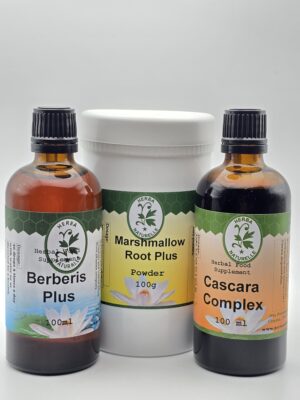 Digestive reset bundle
Original price was: £151.65.£144.95Current price is: £144.95.
Digestive reset bundle
Original price was: £151.65.£144.95Current price is: £144.95.
-
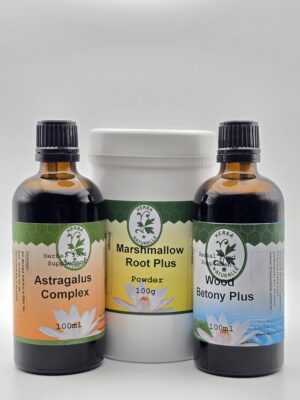 Smooth muscle and immune reset Bundle
Original price was: £177.60.£159.95Current price is: £159.95.
Smooth muscle and immune reset Bundle
Original price was: £177.60.£159.95Current price is: £159.95.
-
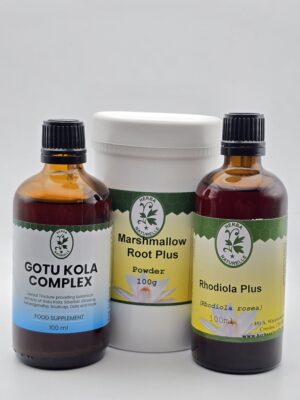 Nervous System Reset
Original price was: £163.68.£149.95Current price is: £149.95.
Nervous System Reset
Original price was: £163.68.£149.95Current price is: £149.95.
-
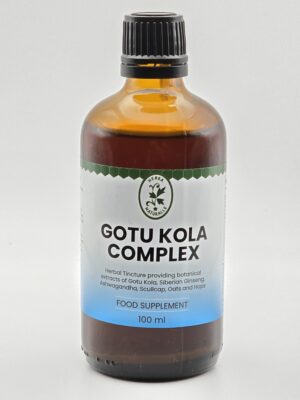 Gotu Kola Complex
£26.95
Gotu Kola Complex
£26.95

About the Author

Holistic Herbalist in UK · 30 Years of Excellence at Croydon, GB
Angela Jegnathan brings over 30 years of experience in integrated medicine and more than 25 years of full-time clinical herbal practice. Specializing in holistic herbal medicine, she focuses on restoring digestive health, calming the nervous system, and supporting the body's natural inflammatory response through evidence-based, patient-centered care.
Expertise: Holistic Herbs, Natural Medicines, Herbal Health
30 years of experience
