

Herbal Approach to Sleep Problems & Nervous System
A herbal approach to sleep problems is something many people look for when ordinary sleep hygiene advice is no longer enough. Difficulty falling asleep, light or broken sleep, early waking, or feeling unrefreshed in the morning can become exhausting over time. When stress is also high, the nervous system often remains activated even when the person is tired.
A medical herbalist looks at sleep issues as part of a wider pattern rather than an isolated problem. The quality of rest is closely linked to nervous system regulation, digestive comfort and overall inflammatory load. A herbal approach to sleep problems therefore aims to support the systems that allow the body to shift into deeper recovery.
This article explains how this approach works and what it typically involves. You can explore the overall clinical philosophy on the homepage and the About Herbal Medicine page.
Why Sleep Problems Often Persist
Many people try the standard recommendations: reducing screen time, keeping a regular bedtime, avoiding caffeine late in the day, and creating a calm bedroom environment. These steps are useful and should not be ignored. However, when the nervous system is stuck in a heightened state, sleep can remain light or incomplete even with good habits.
Common signs that the nervous system is involved include:
- Feeling tired yet mentally wired at night
- Difficulty switching off after a busy day
- Light sleep that is easily disturbed
- Waking with a sense of tension or incomplete rest
- Sleep quality that worsens during stressful periods
- Daytime fatigue combined with an inability to fully relax
In these situations, a herbal approach to sleep problems focuses on helping the nervous system settle rather than simply forcing sedation.
The Nervous System and Sleep Regulation
The surface nervous system plays a central role in determining whether the body can move from alertness into rest. When it remains over-activated, the transition into deep sleep becomes more difficult.
This layer is also closely connected with digestion and smooth muscle function. Ongoing digestive discomfort or internal tension can further disturb sleep. Stress can worsen gut symptoms, and poor gut comfort can increase nervous system reactivity — creating a cycle that is hard to break with sleep advice alone.
This is why a herbal approach to sleep problems often considers more than just bedtime routines. You can read more about the interconnected systems in the article on the 3 layer healing approach and related posts on the blog.
How a Medical Herbalist Approaches Sleep Issues
During a consultation, a detailed history is taken to understand the individual sleep pattern. This includes:
- How easily sleep begins and how restful it feels
- The relationship between stress and sleep quality
- Digestive symptoms and their timing
- Energy levels during the day
- Previous approaches that have been tried
- Overall resilience and recovery capacity
From this information, support is directed at the most relevant layers. In many cases the focus begins with calming and stabilising the surface nervous system while also addressing any digestive or tissue-level factors that may be contributing.
The Nervous System Reset is specifically designed to support this layer. When digestive issues are also present, the Digestive Reset Bundle may be included. The full range of protocols can be viewed on the Bundle page.
Practical Foundations That Improve Sleep
While personalised herbal support is often the most effective route, certain daily habits significantly improve results:
- Reduce evening stimulation, especially screens and intense work
- Create a consistent wind-down period before bed
- Avoid heavy or late meals that disturb digestion overnight
- Keep sleep and wake times as regular as possible
- Allow short periods of genuine stillness during the day
- Notice the early signs of rising tension rather than ignoring them
These measures help the nervous system become more responsive to a herbal approach to sleep problems. Additional educational resources are available on the Herbs page and the main blog.
Common Sleep Patterns Seen in Practice
Several recurring presentations appear:
Onset difficulty
The mind remains active and sleep is slow to begin, especially after demanding days.
Broken or light sleep
Sleep starts but is easily disturbed, leaving the person feeling only partially rested.
Early waking
The person wakes earlier than needed and cannot return to deep sleep.
Stress-reactive pattern
Sleep quality clearly deteriorates during periods of pressure and improves only partially when life is quieter.
Recognising the dominant pattern helps guide the focus of support. Real clinical examples can be reviewed in the Case Scenarios section.
What to Expect in a Consultation
A medical herbalist consultation for sleep problems involves a full history so that the individual pattern can be understood. The practitioner considers how the nervous system, digestion and overall inflammatory load are influencing rest and recovery.
A clear explanation is given and a tailored plan is created. Follow-up appointments allow progress to be reviewed and adjustments to be made. Full details about the process are available on the Consultations and Fees page. You may also find the FAQ helpful.
When Professional Support Is Especially Useful
Professional guidance is particularly relevant when:
- Sleep problems have been present for many months
- Standard sleep hygiene has only given limited benefit
- Stress and sleep quality are clearly linked
- Daytime fatigue and nighttime overstimulation appear together
- Digestive symptoms also disturb rest
If this resonates with your experience, you can begin by learning more on the homepage or by getting in touch through the Contact page.
Final Thoughts
A herbal approach to sleep problems works best when it addresses the nervous system and the wider patterns that keep the body from fully settling. Simply trying to force sleep rarely creates lasting improvement.
By supporting nervous system regulation, digestive comfort and overall resilience, it becomes possible to restore deeper and more restorative rest over time. This integrated perspective forms a central part of the clinical work offered at Herba Naturalle.
If you would like to explore whether this approach is suitable for your situation, the next step is usually a detailed consultation. Full information is available on the Consultations and Fees page.
Our Trending Products & Bundles
-
 Digestive reset bundle
Original price was: £151.65.£144.95Current price is: £144.95.
-
 Smooth muscle and immune reset Bundle
Original price was: £177.60.£159.95Current price is: £159.95.
-
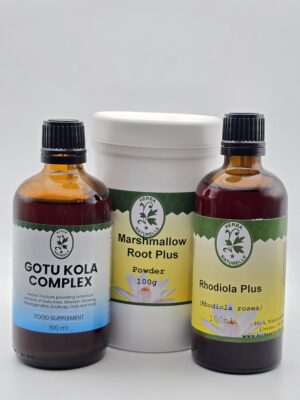 Nervous System Reset
Original price was: £163.68.£149.95Current price is: £149.95.
-
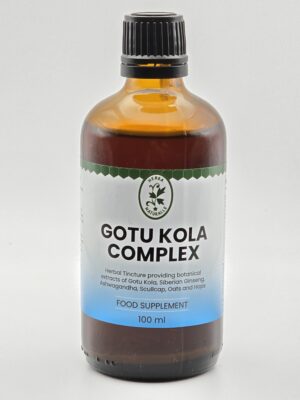 Gotu Kola Complex
£26.95


About the Author

Holistic Herbalist in UK · 30 Years of Excellence at Croydon, GB
Angela Jegnathan brings over 30 years of experience in integrated medicine and more than 25 years of full-time clinical herbal practice. Specializing in holistic herbal medicine, she focuses on restoring digestive health, calming the nervous system, and supporting the body's natural inflammatory response through evidence-based, patient-centered care.
Expertise: Holistic Herbs, Natural Medicines, Herbal Health
30 years of experience
