Lemon Balm Tincture: Benefits, Dosage and How to Take It
Lemon balm has an unassuming reputation, often dismissed as a mild, slightly sweet herbal tea rather than taken seriously as a genuinely useful nervine. A tincture tells a different story, concentrating the herb’s calming, mildly uplifting compounds into a form strong enough to actually notice, rather than the gentle, easily missed effect of a weak cup of tea sipped once in a while.
A Gentle Herb With a Longer History Than It Gets Credit For
Lemon balm, botanically Melissa officinalis, has been used since antiquity, with its genus name derived from the Greek word for honeybee, a nod to its popularity with pollinators and its traditional reputation for lifting spirits, something early herbalists associated with sweetness in more ways than one. Unlike many calming herbs that work primarily through sedation, lemon balm has a traditional reputation for easing anxiety and restlessness while also supporting mental clarity, a combination that makes it unusually versatile compared to herbs that simply induce drowsiness.
Why Calm and Clear Is Harder to Find Than It Sounds
Most people reaching for something to ease anxiety or restlessness quickly discover the trade off: the herbs and medications that quieten the mind most effectively tend to blunt alertness too, leaving you foggy, slow and reluctant to drive or concentrate. Lemon balm sits in a more useful middle ground. Its traditional and research supported effects lean toward easing nervous tension without the heavy, dulled feeling associated with stronger sedatives, which is why it has a loyal following among people who need to stay functional through a stressful working day but still want their nervous system to settle. This balance is also why it is so often chosen as a first herb for someone new to nervine support, a gentle starting point before deciding whether anything stronger is needed.
Typical Dosage and How to Take It
Tincture strength varies by product, so always check the specific label rather than assuming a standard dose. As a general guide, lemon balm tinctures are commonly taken at two to four millilitres, up to three times daily, diluted in water, with an additional dose sometimes taken before bed for anyone using it primarily for sleep support. The taste is pleasantly lemony and mild compared to many herbal tinctures, which makes it one of the more palatable options for anyone new to taking herbs this way.
Anxiety, Sleep and the Nervous System
Our article on herbal medicine for sleep places lemon balm within a wider toolkit of evidence based sleep herbs, and our broader article on herbal medicine for mental health discusses its traditional role alongside other herbs used for anxiety specifically. Our dedicated piece on chamomile and valerian covers two herbs lemon balm is frequently combined with, since nervine herbs are traditionally blended to target slightly different aspects of the same underlying nervous system pattern. For anyone whose anxiety sits within a wider national context, our article on mental health in the UK is a useful piece of background reading alongside the herbal specifics covered here.
Stress and Burnout
Lemon balm’s traditional reputation for calming without heavily sedating makes it a useful herb for daytime stress, not only night time sleep support. Our article on how chronic stress affects the body explains why a herb that calms without dulling alertness is often more practically useful than a stronger sedative during a normal working day, and our piece on nervous system reset covers the broader pattern of burnout this kind of gentle, sustained nervine support is traditionally used for.
Tension and Headaches
Some people notice lemon balm helps ease the kind of tension that builds across the shoulders and into the head during a stressful day, and our article on natural remedies for migraines and tension headaches discusses the broader herbal approach to this pattern, of which lemon balm is traditionally considered one gentler option among several more targeted ones.
Pairing With Other Calming Herbs
Lemon balm is traditionally combined with passion flower for a more pronounced calming effect, and with valerian root specifically for sleep support, since valerian’s stronger sedative action complements lemon balm’s gentler, more balanced calming effect rather than simply duplicating it.
Families and Gentle Use
Lemon balm has a long traditional reputation as one of the gentler nervines suitable across different age groups, and our article on herbal medicine for the whole family discusses which herbs are generally considered appropriate for children and which are better reserved for adults, with lemon balm typically falling toward the gentler, more broadly suitable end of that spectrum.
Beyond the Nervous System
Lemon balm has a second, lesser known traditional reputation as a gentle antiviral herb, particularly associated with the cold sore virus, and it is sometimes used both internally as a tincture and externally as a cream or compress during an outbreak. It also has a traditional use as a mild carminative, easing nervous digestion, the kind of tight, fluttery stomach many people recognise during periods of stress or anticipation. This overlap between nervous tension and digestive discomfort is a good example of why herbalists tend to view the gut and the nervous system as closely connected rather than entirely separate concerns, and why a single, gentle herb can sometimes address both at once.
Who Should Be Cautious
Lemon balm is generally very well tolerated, but it has a traditional reputation for influencing thyroid function, which makes it worth discussing with a practitioner if you have an existing thyroid condition or take thyroid medication. It can also have a mildly sedative effect that may add to the effect of other calming medications, so checking for interactions is sensible if you are already taking something for sleep or anxiety.
A Realistic, Honest View
We want to be upfront: lemon balm is a genuinely useful, gentle herb, but it is not strong enough on its own to address severe anxiety or significant sleep disruption, where a more comprehensive approach, and sometimes medical input, is needed. Anyone experiencing panic attacks, persistent low mood, or thoughts of self harm should speak to a GP or mental health professional promptly rather than relying on a herbal tincture, however gentle and well regarded it may be, since these deserve proper, personalised support. Our guide on when to use herbal medicine is worth reading for a realistic sense of where a gentle herb like this genuinely fits, and our broader approach to preventive health and herbal medicine explains why herbs like lemon balm tend to work best as ongoing, preventive support rather than a crisis intervention.
Discuss Your Case With a Herbalist
Because the right combination and dose depends on the specific pattern of your anxiety, stress or sleep difficulty, a proper consultation gives far more reliable guidance than a single gentle herb taken alone and hoped to be enough. Learn more about our clinical approach, or read through our patient success stories to see how other people have built a nervous system support plan that genuinely fits their pattern.
Our Trending Products & Bundles
-
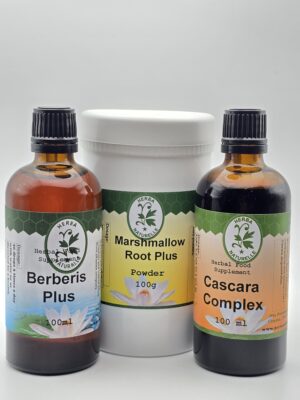 Digestive reset bundle
Original price was: £151.65.£144.95Current price is: £144.95.
-
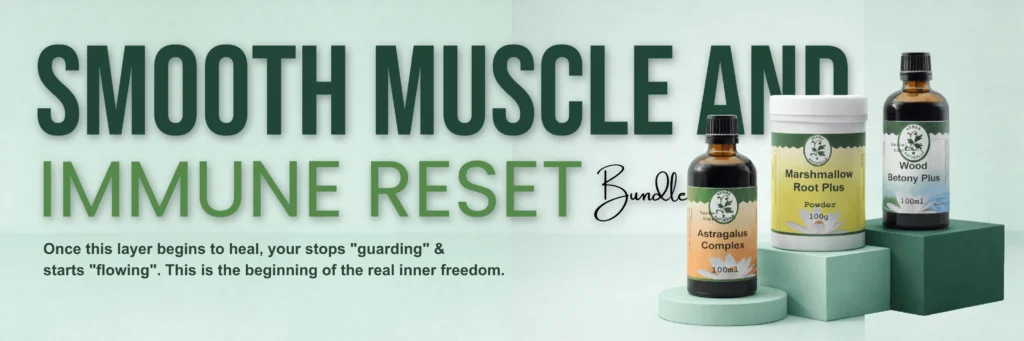
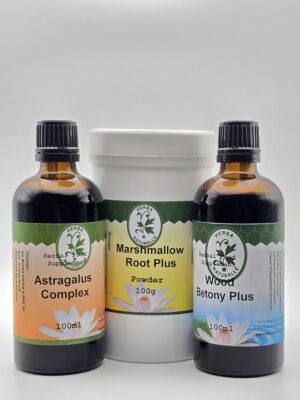 Smooth muscle and immune reset Bundle
Original price was: £177.60.£159.95Current price is: £159.95.
-
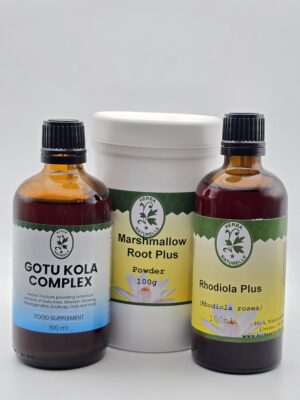 Nervous System Reset
Original price was: £163.68.£149.95Current price is: £149.95.
-
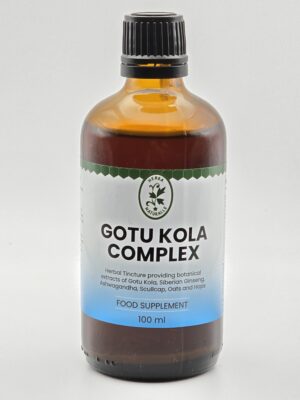 Gotu Kola Complex
£26.95

About the Author

Holistic Herbalist in UK · 30 Years of Excellence at Croydon, GB
Angela Jegnathan brings over 30 years of experience in integrated medicine and more than 25 years of full-time clinical herbal practice. Specializing in holistic herbal medicine, she focuses on restoring digestive health, calming the nervous system, and supporting the body's natural inflammatory response through evidence-based, patient-centered care.
Expertise: Holistic Herbs, Natural Medicines, Herbal Health
30 years of experience
