Ashwagandha Tincture: Benefits, Dosage and How to Take It
Ashwagandha has become one of those herbs everyone seems to have an opinion on, usually formed from a capsule bottle picked up in a health shop rather than from anyone who has actually used the plant in its older, more traditional liquid form. A tincture, a concentrated liquid extract made by steeping the root in alcohol or glycerine, is how ashwagandha was used for centuries before capsules existed, and it still has real practical advantages that get lost in the current wave of powder and pill marketing. An ashwagandha tincture absorbs faster, allows far more precise dose adjustment, and suits people who struggle to swallow capsules or want to feel an effect without waiting for digestion to catch up. It is also, in our experience, the format most herbalists reach for themselves, which tells you something the marketing on capsule bottles rarely mentions.
What Ashwagandha Actually Is
Ashwagandha, botanically Withania somnifera, is a root used for thousands of years in Ayurvedic medicine as a rasayana, a category of herbs traditionally considered to build resilience and vitality over time rather than produce an immediate, dramatic effect. Its Sanskrit name translates roughly to “smell of horse,” a reference both to the root’s distinctive earthy scent and to its traditional reputation for building strength and stamina. Our general article on ashwagandha benefits, side effects and uses covers the herb itself in more depth, while this piece focuses specifically on the tincture form and the practical questions people actually ask before buying one.
Why Choose a Tincture Over Capsules
Tinctures offer a genuinely different experience from capsules, not just a different format. Liquid extracts are absorbed through the mucous membranes of the mouth and digestive tract more rapidly than a capsule, which has to break down first, meaning a tincture’s effects are often noticed sooner. Dosing is also considerably more flexible, since drops can be adjusted up or down in small increments, whereas a capsule locks you into whatever amount the manufacturer decided on. For anyone who has ever needed to start low and build up gradually, which is sound practice with any adaptogen, a tincture makes that far easier to do in practice than opening capsules and guessing at fractions.
What Ashwagandha Tincture Is Traditionally Used For
Ashwagandha’s traditional reputation centres on stress resilience, sleep quality and general vitality, and this is consistent across both Ayurvedic texts and the modern research interest the herb has attracted in recent years. It is traditionally reached for during periods of sustained pressure, whether work related, physical, or simply the accumulated strain of a demanding season of life, rather than for acute, short term stress alone. Our article on how chronic stress affects the body explains the physiological backdrop that makes adaptogens like ashwagandha genuinely relevant, rather than simply trendy, and our piece on nervous system reset covers the broader burnout pattern this herb is traditionally used to support. For anyone whose stress has started affecting sleep specifically, our evidence based guide to herbal medicine for sleep is worth reading alongside this one, and our broader overview of herbal medicine for mental health places ashwagandha within the wider context of anxiety and mood support.
Typical Dosage and How to Take It
Tincture strength varies considerably between manufacturers depending on the herb to liquid ratio used, so always check the specific product’s label rather than assuming a standard dose applies universally. As a general guide, many ashwagandha tinctures are taken at somewhere between one and four millilitres, once to three times daily, diluted in a small amount of water or juice to soften the taste, which is notably bitter and earthy. Starting at the lower end of this range for the first week or two, then adjusting based on how you respond, is the approach most herbalists recommend rather than beginning at the highest suggested dose straight away. Taking it with food can help if the taste or any mild digestive sensitivity is a concern, though many people take it comfortably on an empty stomach once accustomed to it.
Alcohol Content and Alcohol Free Options
Most traditional tinctures use an alcohol base, typically between 25 and 45 percent, which acts as both a preservative and an effective solvent for extracting the root’s active constituents. For anyone avoiding alcohol, whether for personal, religious or medical reasons, glycerine based tinctures, sometimes called glycerites, are available as an alternative, though they generally have a shorter shelf life and a slightly different, sweeter taste profile. Diluting an alcohol based tincture in hot water for a minute or two before drinking allows much of the alcohol to evaporate off, which is a common practical workaround worth knowing about.
Who Should Be Cautious
Ashwagandha is generally well tolerated, but it is not automatically appropriate for everyone. It belongs to the nightshade family, and people with a known nightshade sensitivity should approach it carefully. It also has a traditional reputation for influencing thyroid function, which makes it worth discussing with a practitioner if you have an existing thyroid condition, a topic our article on herbal medicine for thyroid health covers in more depth. Pregnancy and breastfeeding are generally considered reasons to avoid ashwagandha without professional guidance, and anyone taking sedative medication, thyroid medication, or immunosuppressants should check for interactions before starting, since the herb’s traditional calming and immune modulating effects can genuinely interact with how these medications work.
Pairing Ashwagandha With Other Herbs
Ashwagandha is often combined with other adaptogens as part of a broader strategy for stress and energy, rather than used in isolation. Rhodiola is commonly paired with it for stamina and mental resilience, while oat seed is often added for anyone whose exhaustion has tipped into genuine nervous depletion rather than ordinary stress. Our article on natural support for adrenal fatigue goes into this kind of combination approach in considerably more detail, including why pairing herbs this way usually outperforms relying on any single one alone. Ashwagandha also comes up frequently in our articles on low libido in women and low libido and vitality in men, since depleted energy and desire so often travel together and respond to the same underlying support.
Quality Matters More Than the Format
Not all ashwagandha tinctures are made equal, and the root’s quality, the extraction ratio, and whether the product uses the whole root versus a standardised extract all affect both strength and how it is likely to feel in practice. A cheap, poorly extracted tincture may simply underdeliver regardless of how carefully the dose is calculated, which is part of why working with a supplier you trust, or a qualified herbalist who can advise on sourcing, matters as much as the dosage itself. Checking that a product states its herb to menstruum ratio clearly, rather than hiding behind vague marketing language, is one of the simplest ways to judge whether a tincture is likely to be worth the price.
A Realistic, Honest View
We want to be upfront: ashwagandha is a genuinely well regarded herb, but it is not a cure all, and research, while promising, is still developing in several areas. It works best as part of a wider approach that includes sleep, diet and stress management, not as a standalone fix taken in isolation from everything else, which is the broader philosophy behind our article on preventive health and herbal medicine. Anyone on regular medication, pregnant, breastfeeding, or managing a chronic health condition should check with a qualified practitioner before starting, since tinctures deliver a more concentrated, faster acting dose than many people expect from a “natural” product, a distinction covered more generally in our guide on when to use herbal medicine.
Discuss Your Case With a Herbalist
Because the right dose, format and combination depends entirely on your individual health picture, a proper consultation gives far more reliable guidance than a generic dosage range on a product label or a one size fits all recommendation found online. Learn more about our clinical approach, or read through our patient success stories to see how other people have used ashwagandha and similar herbs as part of a properly tailored plan built around their own health picture rather than a generic protocol.
Our Trending Products & Bundles
-
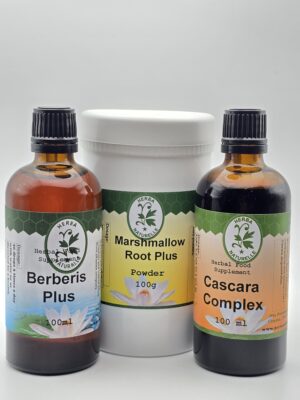 Digestive reset bundle
Original price was: £151.65.£144.95Current price is: £144.95.
-
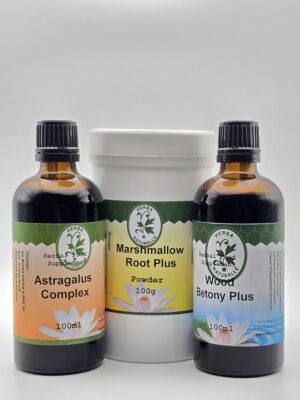 Smooth muscle and immune reset Bundle
Original price was: £177.60.£159.95Current price is: £159.95.
-
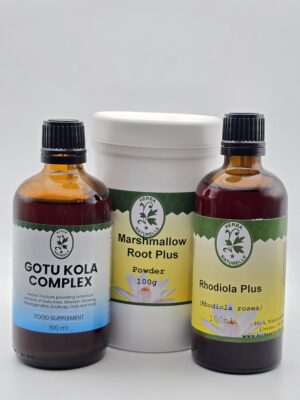 Nervous System Reset
Original price was: £163.68.£149.95Current price is: £149.95.
-
 Gotu Kola Complex
£26.95

About the Author

Holistic Herbalist in UK · 30 Years of Excellence at Croydon, GB
Angela Jegnathan brings over 30 years of experience in integrated medicine and more than 25 years of full-time clinical herbal practice. Specializing in holistic herbal medicine, she focuses on restoring digestive health, calming the nervous system, and supporting the body's natural inflammatory response through evidence-based, patient-centered care.
Expertise: Holistic Herbs, Natural Medicines, Herbal Health
30 years of experience
