
Peppermint Tincture: Benefits, Dosage and How to Take It
Peppermint is so familiar as a flavouring that it is easy to forget it is also one of the most clinically validated digestive herbs in existence, with research behind it that would be genuinely impressive for any herb, let alone one most people only associate with chewing gum and after dinner mints. A tincture captures peppermint’s active oils in a concentrated, fast acting form, considerably stronger than a cup of peppermint tea and more flexible to dose than an enteric coated capsule.
Why Peppermint Works So Reliably
Peppermint leaf owes its digestive reputation primarily to menthol, which has a direct antispasmodic action on the smooth muscle of the digestive tract, relaxing the muscular contractions responsible for cramping, trapped wind and that tight, uncomfortable feeling after a difficult meal. This mechanical, well understood action is part of why peppermint has some of the strongest research support of any digestive herb, standing up well even against more rigorous scientific scrutiny than most traditional remedies receive. Menthol also appears to act on calcium channels in the gut wall, which helps explain why its effect is so reliable and so quick, often noticeable within twenty to thirty minutes rather than after days of consistent use.
It is worth appreciating how unusual this is in herbal medicine. Many herbs work gradually, building an effect over weeks, but peppermint is one of the rare ones with a clear, almost immediate mechanical action, which makes it genuinely useful as an on demand remedy for the occasional uncomfortable flare, not only as a long term supportive herb.
The Gut Brain Connection
Peppermint’s calming effect on the digestive tract is only half the story for many people. The gut and the nervous system communicate constantly, which is why digestive symptoms so often flare during stressful periods and why anxious people so frequently describe a knotted, unsettled stomach. Our article on the vagus nerve and the gut brain connection explains this two way relationship in more depth, and it helps explain why peppermint, which relaxes digestive muscle directly, can sometimes ease not only physical cramping but the tension that tends to accompany it.
Typical Dosage and How to Take It
Dosage varies by product concentration, so always check the specific label. As a general guide, peppermint tincture is commonly taken at one to two millilitres, diluted in water, as needed for acute bloating or cramping, up to three or four times daily during a flare. Unlike enteric coated peppermint oil capsules, which are specifically designed to bypass the stomach and release further down the digestive tract, a tincture acts more quickly and more generally throughout the digestive system, which suits acute, immediate discomfort better than a slower, more targeted release.
Bloating, Cramping and IBS
Our article on peppermint oil capsules for IBS covers the specific, well researched capsule format in more depth, useful context for understanding how it differs from a tincture in both action and intended use. Our broader article on how to get rid of bloating and trapped wind places peppermint within a wider toolkit of fast acting digestive remedies, and our piece on trapped wind relief covers several complementary approaches worth combining with peppermint for genuinely stubborn cases.
The Wider Digestive Picture
For anyone whose bloating is a recurring rather than occasional pattern, our article on bloating, trapped wind and constipation explores the underlying causes worth investigating, and our broader article on IBS, IBD, UC and bowel cancer explains why distinguishing between these conditions matters before assuming peppermint alone will resolve a persistent pattern. Our article on herbal medicine for digestive health and our broader piece on gut and digestive health both place peppermint within a fuller picture of how the digestive system works as a whole.
Pairing With Other Digestive Herbs
Peppermint is traditionally combined with fennel seed, another carminative herb with a gentler, slightly sweeter action, for a broader approach to trapped wind and digestive discomfort than either herb achieves alone. This combination reflects a wider principle in traditional digestive formulation, where herbs with slightly different but complementary actions are deliberately combined rather than relying on a single herb to do everything.
Finding Your Triggers
Because herbs like peppermint treat the symptom of a flare rather than its cause, it helps to spend a couple of weeks noticing what tends to set the flare off. Common culprits include large or very rich meals, eating quickly or while stressed, carbonated drinks, certain high fibre or fermentable foods, and irregular meal timing. Keeping a short food and symptom diary, even just a few lines each evening, often reveals patterns that are invisible day to day, and gives a herbalist or GP far more to work with than a general description of “bloating most days.” Peppermint can then be used as a targeted tool for the occasional flare, rather than a daily crutch propping up a pattern that never gets addressed.
After a Stomach Bug
Peppermint can be too stimulating for a digestive system still recovering from a genuine stomach bug, and our article on gastritis and sickness bugs explains why gentler, more soothing herbs are usually better suited to the early stages of recovery, with peppermint reintroduced once the acute, inflamed stage has settled.
Who Should Be Cautious
Peppermint can worsen acid reflux and heartburn in some people, since it relaxes the same muscle at the base of the oesophagus responsible for keeping stomach acid where it belongs, so anyone whose main complaint is reflux rather than bloating should approach it cautiously or avoid it. It is also generally avoided in babies and very young children, and people with gallstones should check with a practitioner first, given peppermint’s mild effect on bile flow.
A Realistic, Honest View
We want to be upfront: peppermint is genuinely well supported for functional bloating and IBS type symptoms, but persistent, severe or worsening digestive symptoms, especially alongside weight loss, bleeding or unexplained changes in bowel habit, always need proper medical assessment rather than being managed with herbs alone. Our guide on when to use herbal medicine is worth reading for a clear, honest view of where peppermint genuinely fits, and our broader approach to preventive health and herbal medicine explains why addressing recurring triggers matters more than repeatedly treating the same flare.
Discuss Your Case With a Herbalist
Because persistent digestive symptoms can have several different underlying causes, a proper consultation gives far more reliable guidance than self treating with a single herb indefinitely, and it often reveals triggers or patterns that were hiding in plain sight, whether that is the pace you eat at, the timing of your meals, or the way stress shows up in your gut. Learn more about our clinical approach, or read through our patient success stories to see how other people have addressed recurring digestive discomfort with a properly tailored herbal plan.
Our Trending Products & Bundles
-
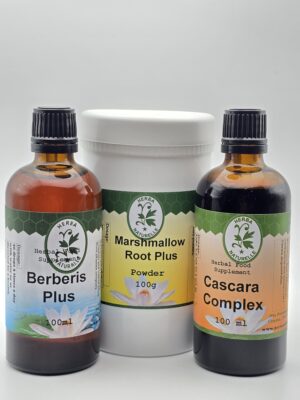 Digestive reset bundle
Original price was: £151.65.£144.95Current price is: £144.95.
-
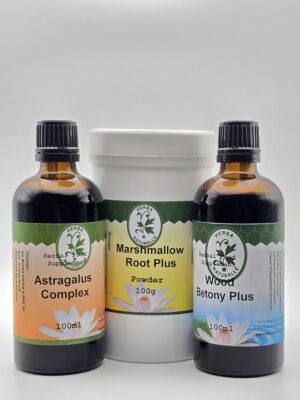 Smooth muscle and immune reset Bundle
Original price was: £177.60.£159.95Current price is: £159.95.
-
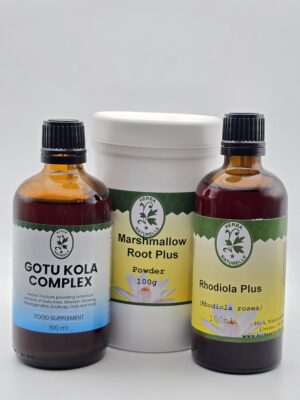 Nervous System Reset
Original price was: £163.68.£149.95Current price is: £149.95.
-
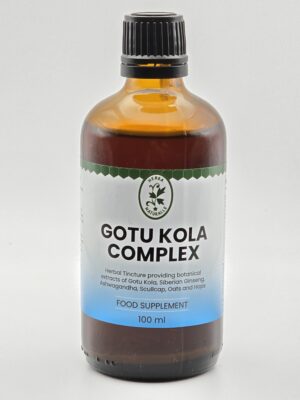 Gotu Kola Complex
£26.95


About the Author

Holistic Herbalist in UK · 30 Years of Excellence at Croydon, GB
Angela Jegnathan brings over 30 years of experience in integrated medicine and more than 25 years of full-time clinical herbal practice. Specializing in holistic herbal medicine, she focuses on restoring digestive health, calming the nervous system, and supporting the body's natural inflammatory response through evidence-based, patient-centered care.
Expertise: Holistic Herbs, Natural Medicines, Herbal Health
30 years of experience
