
Dandelion Root Tincture: Benefits, Dosage and How to Take It
Most people know the dandelion as a stubborn lawn weed, pulled up without a second thought, which is a little ironic given that its root has been a respected bitter tonic in European, Chinese and Native American medicine for centuries. A dandelion root tincture concentrates the root’s bitter, liver supportive compounds into an easily dosed liquid, and it is one of the most useful, affordable and gentle herbs a person can add to a digestive or liver support routine.
Root Versus Leaf: Two Herbs From One Plant
The dandelion is really two herbs in one, and they are used differently. Dandelion leaf is traditionally known as a potent diuretic, its French folk name pissenlit giving the game away, and is used to support fluid balance. Dandelion root has a different traditional emphasis, acting mainly as a bitter tonic for the liver and digestion. Understanding this distinction helps explain why a root tincture suits digestive and liver support, while the leaf is reached for when fluid retention is the main concern.
What Makes It a Bitter Tonic
Bitterness has a long, well understood role in traditional medicine. When bitter compounds touch the tongue, they trigger reflexes that increase saliva, stomach acid, digestive enzymes and bile flow, preparing the whole digestive system for a meal. Modern diets have largely removed bitter flavours, which is one reason many herbalists feel digestive sluggishness is so common. Dandelion root contains bitter sesquiterpene lactones and also inulin, a prebiotic fibre that feeds beneficial gut bacteria, giving it a gentle double action on digestion that few other single herbs can match.
Typical Dosage and How to Take It
Always check the specific product label, since strength varies. As a general guide, dandelion root tinctures are commonly taken at two to five millilitres, two to three times daily, diluted in water. For digestive purposes, taking a small dose ten to fifteen minutes before meals lets the bitter taste do its work before food arrives. The flavour is bitter but earthy, and most people find it more pleasant than they expect, especially diluted in warm water.
Liver Support
Dandelion root is a classic companion to the liver herbs. It is often paired with milk thistle seed, which supports liver cells directly, while dandelion adds bile stimulating, bitter action. Yellow dock root is another traditional partner, particularly where iron rich, blood supportive action is also wanted. Our article on herbs for liver detox explains how these herbs fit together as a seasonal reset, and our piece on fatty liver covers the early warning signs worth knowing, since liver strain often produces no obvious symptoms until it is well advanced.
Digestion, Bloating and Sluggish Bowels
Because it stimulates bile flow and feeds gut bacteria, dandelion root is traditionally used for fullness after meals, mild constipation and general digestive sluggishness. Our overview of herbal medicine for digestive health places bitter herbs within the wider digestive toolkit, our piece on gut and digestive health explains how the whole system works together, and our article on bloating, trapped wind and constipation covers the causes worth investigating if symptoms are persistent.
Skin and the Traditional Idea of Cleansing
Herbalists have long used dandelion root among the traditional depurative herbs, those used for the skin when the liver and digestion are thought to be contributing. It is often combined with cleavers, a traditional lymphatic herb. Our article on herbal medicine for eczema and skin conditions discusses this gut skin connection in more depth, and why addressing digestion can matter for stubborn skin complaints.
Metabolic Health and Blood Pressure
Dandelion’s traditional role in metabolic support has attracted modern interest, and our article on herbal medicine and weight management discusses how liver function and metabolism are linked. Because the leaf has diuretic action, and fluid balance interacts with blood pressure, our article on natural remedies for high blood pressure is worth reading if you are monitoring your readings or take blood pressure tablets.
Who Should Be Cautious
Dandelion belongs to the daisy family, so anyone allergic to ragweed, daisies or chrysanthemums should be cautious. Because it stimulates bile flow, it is generally avoided if you have gallstones or a blocked bile duct. People taking diuretics, lithium, or certain antibiotics should check for interactions with a pharmacist or herbalist first, and anyone with kidney problems should seek advice. Dandelion is also traditionally high in potassium in the leaf, which matters for those on potassium sparing medication.
A Realistic, Honest View
We want to be upfront: dandelion root is a gentle, well tolerated herb with a long traditional record, but it is not a quick fix, and “detox” claims around it are often exaggerated. It supports the liver and digestion as part of a healthy routine, and it cannot offset a diet and lifestyle working against those systems. Persistent digestive symptoms, unexplained weight loss, jaundice, or pain under the right ribs need medical assessment rather than self treatment. Our guide on when to use herbal medicine sets out where herbal support fits, and our approach to preventive health and herbal medicine explains why steady daily support tends to outperform occasional cleanses.
Discuss Your Case With a Herbalist
Because the right bitter herb, dose and combination depends on your digestion, medication and health history, a proper consultation gives far more reliable guidance than a generic product label. Learn more about our clinical approach, or read through our patient success stories to see how other people have used dandelion and similar herbs as part of a plan built around their own digestion and liver health.
Our Trending Products & Bundles
-
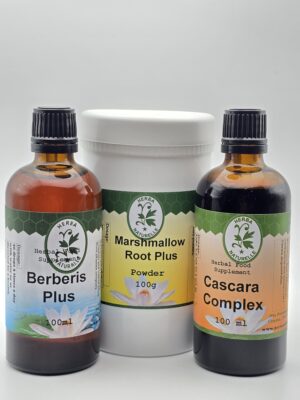 Digestive reset bundle
Original price was: £151.65.£144.95Current price is: £144.95.
-
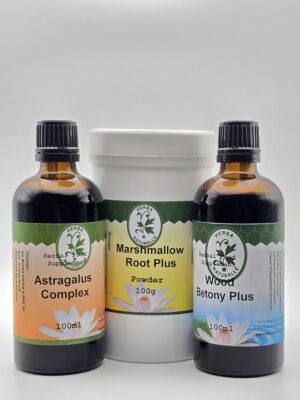 Smooth muscle and immune reset Bundle
Original price was: £177.60.£159.95Current price is: £159.95.
-
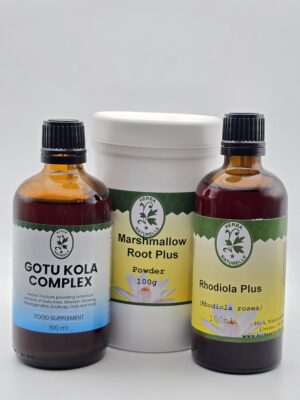 Nervous System Reset
Original price was: £163.68.£149.95Current price is: £149.95.
-
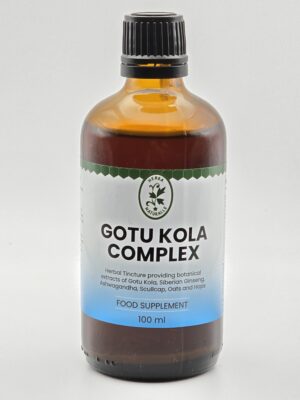 Gotu Kola Complex
£26.95


About the Author

Holistic Herbalist in UK · 30 Years of Excellence at Croydon, GB
Angela Jegnathan brings over 30 years of experience in integrated medicine and more than 25 years of full-time clinical herbal practice. Specializing in holistic herbal medicine, she focuses on restoring digestive health, calming the nervous system, and supporting the body's natural inflammatory response through evidence-based, patient-centered care.
Expertise: Holistic Herbs, Natural Medicines, Herbal Health
30 years of experience
