
Herbal Medicine for Chronic Fatigue and Low Energy: A Clinical Approach
By Anjela Jeganathan – Medical Herbalist | Herba Naturalle
Fatigue is one of the most common presenting complaints in clinical herbal practice and one of the most frustrating for patients to navigate within the conventional health system. When blood tests return as “normal” and there is no single diagnosable cause, patients are frequently told there is little to offer. Yet fatigue that is persistent, disproportionate to activity, and unresolved by rest almost always has identifiable and addressable drivers.
Distinguishing Different Patterns of Fatigue
Effective clinical assessment of fatigue begins with identifying the pattern and the likely underlying mechanism:
Adrenal fatigue / HPA axis dysfunction characterised by difficulty getting going in the morning, dependence on caffeine, energy peaks in the evening, susceptibility to stress, and the gradual worsening of symptoms under sustained pressure. Driven by dysregulation of the hypothalamic-pituitary-adrenal axis the body’s primary stress response system.
Post-viral fatigue persistent fatigue following infection, often with cognitive symptoms (“brain fog”), post-exertional malaise, and disturbed sleep. Increasingly recognised in the context of long COVID.
Metabolic fatigue fatigue driven by poor blood sugar regulation, insulin resistance, or thyroid dysfunction. Often accompanied by weight changes and mood instability. Directly connected to the metabolic health picture explored in our articles on visceral fat and fatty liver.
Nutritional fatigue driven by deficiencies in iron, B12, vitamin D, magnesium, or other micronutrients that are essential for energy metabolism.
Nervous system fatigue the exhaustion of a nervous system that has been in a chronic stress state for extended periods, often manifesting with anxiety, poor sleep, and the emotional flatness of burnout. Explored in our post on mental health and natural approaches.
Herbal Approaches by Pattern
For adrenal and stress-driven fatigue: The adaptogens Ashwagandha, Rhodiola, Eleuthero (Siberian Ginseng), Schisandra are the primary herbal tool. They modulate the HPA axis, reduce the cortisol peaks and troughs of chronic stress, and improve the body’s capacity to maintain stable energy under demand.
For nervous system fatigue and burnout: Oat seed (Avena sativa) in its milky, unripe form is one of the most specific nervine tonics for the depleted, burnt-out nervous system. Combined with Scullcap, Lemon Balm, and Passionflower, it supports the gradual restoration of nervous system tone.
For sleep and fatigue intertwined: Poor sleep and fatigue form a self-reinforcing cycle. Our post on chamomile and valerian for anxiety and sleep explores two of the most clinically reliable herbs for this pattern.
For digestive fatigue: Poor digestion impairs nutrient absorption and creates the chronic inflammatory burden that drives fatigue. Our posts on bloating and trapped wind and gut health address the digestive dimension.
Red Flags
Persistent fatigue warrants a medical assessment to exclude anaemia, thyroid dysfunction, diabetes, and other pathological causes before commencing herbal treatment. A qualified medical herbalist will always consider these possibilities and refer appropriately.
This article is for educational purposes only. Please see your GP for persistent unexplained fatigue.
Our Trending Products & Bundles
-
 Digestive reset bundle
Original price was: £151.65.£144.95Current price is: £144.95.
Digestive reset bundle
Original price was: £151.65.£144.95Current price is: £144.95.
-
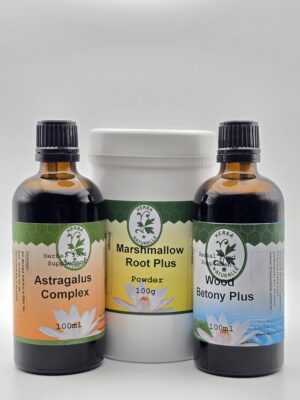 Smooth muscle and immune reset Bundle
Original price was: £177.60.£159.95Current price is: £159.95.
Smooth muscle and immune reset Bundle
Original price was: £177.60.£159.95Current price is: £159.95.
-
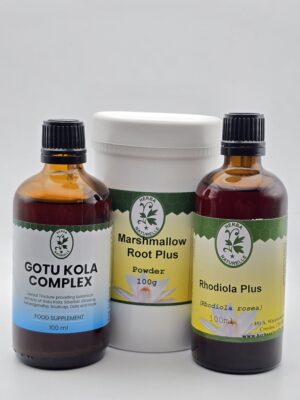 Nervous System Reset
Original price was: £163.68.£149.95Current price is: £149.95.
Nervous System Reset
Original price was: £163.68.£149.95Current price is: £149.95.
-
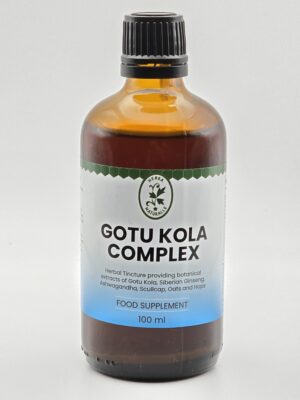 Gotu Kola Complex
£26.95
Gotu Kola Complex
£26.95