Bioavailability of Herbal Medicine: Why Tinctures, Teas and Capsules Work Differently
When a patient is prescribed a herbal formula, one of the first questions they ask is whether it matters what form they take it in. The answer is an emphatic yes. The same herb, prepared differently, can produce dramatically different clinical results. Understanding why is essential for anyone using herbal medicine seriously.
Bioavailability is the term that describes how much of an active compound actually reaches your bloodstream and target tissues after you consume it. In pharmaceutical medicine, this is a central concern. In herbal medicine, it should be too, but it is often overlooked by people buying herbs off the shelf without professional guidance.
This is precisely why a consultation with a qualified medical herbalist matters. The form of the preparation, the extraction method, the dosage schedule and the timing relative to food all influence whether a herbal treatment works as intended.
Tinctures: The Clinical Standard
A tincture is an alcohol-based extraction of a herb. The plant material is soaked in a mixture of alcohol and water for a defined period, during which the active compounds dissolve into the liquid. The ratio of herb to solvent and the percentage of alcohol are carefully chosen based on the chemistry of the specific plant.
Alcohol is an exceptionally effective solvent for a wide range of plant compounds. It extracts alkaloids, flavonoids, volatile oils, saponins, tannins, resins and many other classes of phytochemicals. It also acts as a preservative, giving tinctures a shelf life measured in years rather than days.
From a bioavailability perspective, tinctures have several advantages. The active compounds are already in solution, which means the body does not need to break down plant cell walls or dissolite solid material before absorption can begin. Absorption starts in the mouth, through the oral mucosa, which means some compounds bypass first-pass liver metabolism entirely.
This is why the tincture form of ashwagandha often produces a faster and more noticeable clinical response than capsules of the same herb. The same principle applies to valerian root tincture, echinacea tincture, St John’s wort tincture and virtually every herb in clinical use.
The products available through the Herba Naturalle products page are formulated as professional-grade tincture blends. The Nervous System Reset, for example, combines nervine herbs in tincture form specifically because the compounds involved, valerenic acid, apigenin and rosmarinic acid, are most effectively delivered this way.
Herbal Teas: Gentle but Limited
Herbal teas, or infusions, are the oldest form of herbal preparation. Pour hot water over dried plant material, allow it to steep, and drink the liquid. This is simple, pleasant and effective for certain types of compounds.
Water-soluble compounds extract well into tea. These include mucilage, some flavonoids, mineral salts, water-soluble vitamins and certain tannins. Chamomile tea is a good example. The apigenin and bisabolol in chamomile are reasonably water-soluble and extract well at normal brewing temperatures.
However, many of the most pharmacologically active compounds in herbs are poorly water-soluble. Resinous compounds, many alkaloids, fat-soluble vitamins, certain saponins and most volatile oils do not extract efficiently into water. This means that a tea made from milk thistle seed delivers only a fraction of the silymarin that a tincture or standardised extract provides.
Decoctions, where tougher plant materials like roots and barks are simmered rather than steeped, improve extraction somewhat. Dandelion root prepared as a decoction yields more of its bitter compounds than an infusion, though still less than a tincture.
Teas do have a legitimate clinical role. Marshmallow root is best prepared as a cold infusion because the mucilaginous polysaccharides that make it therapeutically valuable are best extracted in cold water over several hours. Heat actually degrades them. This is a case where the tea form is clinically superior to the tincture.
Peppermint as a tea delivers volatile oils directly to the upper digestive tract, where they have an immediate antispasmodic effect. This topical, direct-contact mechanism is different from the systemic absorption you get with a tincture, and for acute digestive spasm, the tea may actually work faster.
Capsules and Tablets: Convenience vs Complexity
Capsules containing dried, powdered herb are the most commercially popular form of herbal supplement. They are easy to manufacture, easy to dose and easy to sell. But from a bioavailability perspective, they present significant challenges.
When you swallow a capsule of powdered herb, the active compounds are locked inside intact plant cell walls. Your digestive system must first break open the capsule, then break down the cell wall material, then dissolve the active compounds into the intestinal fluid before any absorption can occur. Each of these steps introduces potential losses.
For herbs whose primary activity depends on gut-contact effects, capsules can work well. Psyllium husk is a fibre supplement that works by absorbing water in the intestine. It does not need to be absorbed into the bloodstream. Similarly, slippery elm in capsule form can release its mucilage in the stomach and coat the gut lining effectively.
For herbs whose active compounds need to reach the bloodstream, capsules are often the least efficient delivery method. A study comparing curcumin bioavailability from raw turmeric powder, turmeric extract in capsules and turmeric combined with black pepper piperine found dramatic differences. The addition of piperine increased curcumin bioavailability by up to 2,000 percent because it inhibited the liver enzymes that normally break curcumin down before it reaches systemic circulation.
This is exactly the kind of detail that separates a professionally formulated product like Berberis Plus from a simple single-herb capsule bought from a health food shop. Clinical formulations account for bioavailability, combining herbs in ways that enhance absorption and therapeutic effect.
The Forgotten Factor: First-Pass Metabolism
First-pass metabolism is the process by which the liver modifies compounds absorbed from the gut before they reach the general circulation. Everything absorbed through the intestinal wall passes through the portal vein to the liver, where enzymes can deactivate, modify or conjugate active compounds.
This is why some herbal compounds are far more effective when absorbed through the oral mucosa (via a tincture held briefly in the mouth) than when swallowed and absorbed through the gut. The sublingual route bypasses the liver entirely.
Ginkgo leaf flavonoids, for example, undergo significant first-pass metabolism. A tincture taken under the tongue delivers a higher proportion of active flavonoids to the brain than the same dose swallowed in a capsule.
This principle also applies to herbs used for anxiety and stress support. When rapid-onset calming is needed, a tincture of passionflower or skullcap taken sublingually begins to act within minutes. A capsule of the same herbs may take 45 minutes to an hour.
Standardised Extracts: The Middle Ground
Some manufacturers produce standardised herbal extracts, where a specific marker compound is concentrated to a guaranteed level. Standardised St John’s wort extract, for instance, is typically standardised to contain 0.3 percent hypericin.
This approach has merits. It ensures consistency between batches and makes dosing more predictable. Most of the positive clinical trials on herbal medicine have used standardised extracts.
However, standardisation has a significant limitation. By focusing on one marker compound, the process can reduce or eliminate other therapeutically important compounds in the whole plant. A full-spectrum tincture of St John’s wort contains hypericin, hyperforin, flavonoids, volatile oils and a range of other bioactive molecules. A standardised extract focused on hypericin alone may miss the contribution of hyperforin, which research suggests is actually the more important antidepressant compound.
This is why 30 years of clinical practice has taught experienced herbalists to value whole-plant preparations. The full spectrum of compounds, in their natural ratios, tends to produce broader, safer and more sustainable clinical results.
How a Medical Herbalist Chooses the Right Form
A trained medical herbalist in the UK selects the preparation form based on the patient, the condition and the specific herbs involved. Factors include the chemistry of the target compounds, the site of action in the body, the urgency of the situation and the patient’s individual digestive health.
For chronic fatigue with brain fog, a tincture combination that includes adaptogens and circulatory stimulants is typically preferred because the compounds need to reach the brain and adrenal glands via the bloodstream.
For IBS with gut-lining damage, a combination of tinctures for systemic anti-inflammatory action and a cold infusion of mucilaginous herbs for direct gut-lining contact may be prescribed together. The Marshmallow Root Plus product was designed for exactly this kind of gut-surface healing.
For sleep problems involving an overactive nervous system, a tincture taken 30 minutes before bed delivers sedative compounds rapidly enough to support sleep onset, something capsules struggle to achieve consistently.
The Takeaway
The form of a herbal preparation is not a minor detail. It fundamentally affects whether the active compounds reach the right tissues at the right concentration. Tinctures remain the clinical standard for most systemic conditions. Teas have specific advantages for gut-contact effects and mucilaginous herbs. Capsules offer convenience but often sacrifice bioavailability.
Working with a qualified practitioner who understands how herbal medicine works at a pharmacological level ensures that you are not just taking the right herb, but taking it in the form that will actually work. If you are unsure where to start, booking a herbal consultation is the most reliable way to get a treatment plan tailored to your specific situation.
Our Trending Products & Bundles
-
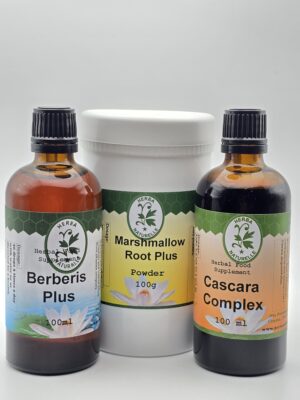 Digestive reset bundle
Original price was: £151.65.£144.95Current price is: £144.95.
-
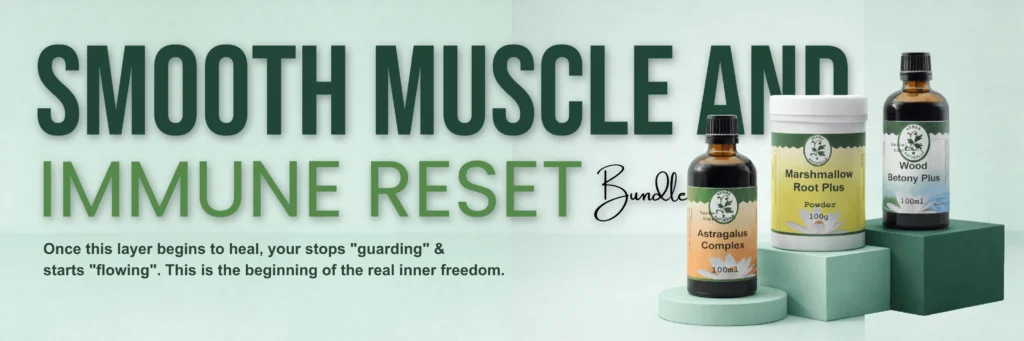
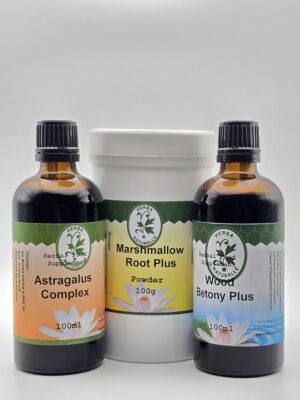 Smooth muscle and immune reset Bundle
Original price was: £177.60.£159.95Current price is: £159.95.
-
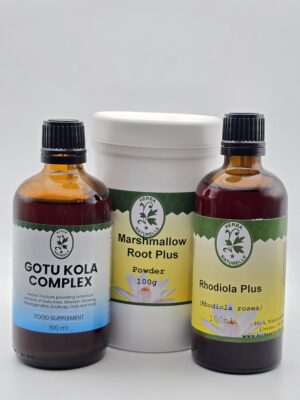 Nervous System Reset
Original price was: £163.68.£149.95Current price is: £149.95.
-
 Gotu Kola Complex
£26.95

About the Author

Holistic Herbalist in UK · 30 Years of Excellence at Croydon, GB
Angela Jegnathan brings over 30 years of experience in integrated medicine and more than 25 years of full-time clinical herbal practice. Specializing in holistic herbal medicine, she focuses on restoring digestive health, calming the nervous system, and supporting the body's natural inflammatory response through evidence-based, patient-centered care.
Expertise: Holistic Herbs, Natural Medicines, Herbal Health
30 years of experience
