Natural Herbs vs Pharmaceutical Drugs: How Plant Medicine Works in the Body
By Anjela Jeganathan – Medical Herbalist | Herba Naturalle
One of the most common questions patients ask when they begin exploring herbal medicine is whether herbs actually work and if they do, how. This is a completely reasonable question, and the answer is both more scientific and more nuanced than either herbal medicine’s critics or its uncritical advocates typically suggest.
Plants Are Pharmacologically Active
The starting point is this: plants produce biologically active compounds molecules that interact with receptor sites, enzyme systems, cell membranes, and signalling pathways in the human body in measurable, reproducible ways. This is not a metaphysical claim. It is well-documented pharmacological fact.
Menthol from Peppermint blocks calcium channels in intestinal smooth muscle producing the antispasmodic effect that makes enteric-coated peppermint oil one of the most evidence-backed treatments for IBS, supported by a Cochrane systematic review. As explored in our article on understanding intestinal conditions from IBS to bowel disorders, smooth muscle dysfunction is central to many gut conditions and Peppermint’s calcium channel action addresses this directly.
Valerenic acid from Valerian modulates GABA-A receptors the same receptors targeted by benzodiazepine drugs producing sedative and anxiolytic effects without the dependency and withdrawal profile of pharmaceutical sedatives.
Curcumin from Turmeric simultaneously inhibits multiple pro-inflammatory pathways including NF-κB, COX-2, and 5-LOX a scope of anti-inflammatory action that no single pharmaceutical NSAID replicates.
The Synergy of Whole-Plant Preparations
A defining characteristic of herbal medicine is the use of whole-plant preparations rather than isolated compounds. This is not a historical limitation it is a pharmacological principle.
Plants contain hundreds of compounds that interact with each other within a preparation. This interaction called synergy or polyvalence means that the combined effect of the whole plant is often different from, and sometimes therapeutically superior to, the effect of any single isolated compound.
Lavender essential oil’s anxiolytic effect is not solely due to linalool it reflects the combined action of linalool, linalyl acetate, nerolidol, and over 100 minor volatile compounds, many of which modulate the primary effect. Remove the minor compounds and you lose the fullness of the action. This principle applies across the herbal materia medica.
Our recent post on chamomile and valerian for anxiety and sleep support demonstrates this synergy in clinical practice two herbs each working through different but complementary mechanisms, producing an effect that is additive and mutually reinforcing.
Bioavailability and Whole-Body Effects
Herbal compounds are typically absorbed as part of a complex matrix the whole plant preparation acts as a delivery system that modulates absorption, distribution, and metabolism. Turmeric’s bioavailability, notoriously poor in isolation, is dramatically improved when consumed with black pepper (piperine inhibits the metabolising enzyme) and fat a combination that mirrors how turmeric has been used in South Asian cuisine for millennia.
These are not accidents of tradition. They are pharmacological principles that have been identified through centuries of empirical use and are now being characterised by molecular pharmacology.
Herbs and Metabolic Health
Our articles on fatty liver and early warning signs and visceral fat and its health implications highlight the growing importance of metabolic health an area where herbal medicine’s multi-system, anti-inflammatory approach has particular relevance. Herbs like Milk Thistle, Dandelion Root, Artichoke, and Berberine-containing plants address liver health, bile production, insulin sensitivity, and inflammatory burden simultaneously a combination that no single pharmaceutical drug currently achieves.
The science of herbal medicine is not mythology. It is phytopharmacology a rigorous, evidence-based discipline that is growing rapidly. Understanding its principles helps patients make informed decisions about when and how plant medicine is most appropriate for their situation.
This article is for educational purposes only and does not constitute medical advice.
Our Trending Products & Bundles
-
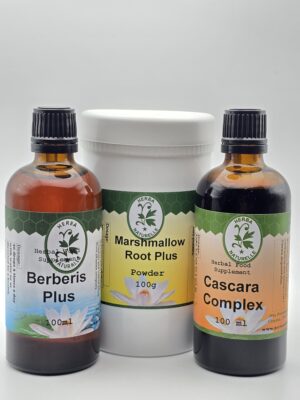 Digestive reset bundle
Original price was: £151.65.£144.95Current price is: £144.95.
Digestive reset bundle
Original price was: £151.65.£144.95Current price is: £144.95.
-
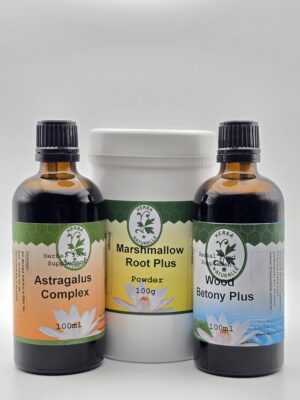 Smooth muscle and immune reset Bundle
Original price was: £177.60.£159.95Current price is: £159.95.
Smooth muscle and immune reset Bundle
Original price was: £177.60.£159.95Current price is: £159.95.
-
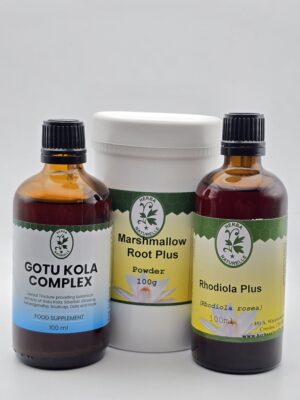 Nervous System Reset
Original price was: £163.68.£149.95Current price is: £149.95.
Nervous System Reset
Original price was: £163.68.£149.95Current price is: £149.95.
-
 Gotu Kola Complex
£26.95
Gotu Kola Complex
£26.95

About the Author

Holistic Herbalist in UK · 30 Years of Excellence at Croydon, GB
Angela Jegnathan brings over 30 years of experience in integrated medicine and more than 25 years of full-time clinical herbal practice. Specializing in holistic herbal medicine, she focuses on restoring digestive health, calming the nervous system, and supporting the body's natural inflammatory response through evidence-based, patient-centered care.
Expertise: Holistic Herbs, Natural Medicines, Herbal Health
30 years of experience
