Ginkgo Leaf (Ginkgo biloba): The Living Fossil Brain Herb
Ginkgo — Ginkgo biloba — is one of the oldest living tree species on earth, with a fossil record extending back 270 million years, essentially unchanged. Revered in Chinese culture and cultivated around Buddhist temples for millennia, the Ginkgo tree survived the ice ages and atomic bomb blasts alike — a testament to its extraordinary resilience. Its fan-shaped leaves, with their distinctive two-lobed form (biloba — two-lobed), have been used medicinally in China for over 5,000 years. In the modern evidence base, Ginkgo Leaf extract has been the subject of more clinical research than almost any other herbal medicine, with particular focus on cognitive function, cerebral circulation, and age-related neurological decline.
At Herba Naturalle, Ginkgo is listed in the comprehensive herb index as a primary circulatory and cognitive herb — working at the level of blood flow, nervous system perfusion, and the cellular protection of neural tissue.
Active Compounds
- Flavone glycosides — ginkgolides and bilobalide; the most pharmacologically active compounds; inhibit platelet activating factor (PAF — a key mediator of platelet aggregation and inflammatory signalling); neuroprotective
- Terpene trilactones — specifically inhibit PAF binding to receptors; the compounds unique to Ginkgo not found in other plants
- Flavonoids — quercetin, kaempferol, isorhamnetin; antioxidant and anti-inflammatory
- Standardised extract (EGb 761): The form used in clinical trials — standardised to 24% flavone glycosides and 6% terpene trilactones
Clinical Evidence and Applications
Memory and Cognitive Function
Multiple systematic reviews confirm improvements in memory, attention, processing speed, and overall cognitive function in people with age-related cognitive decline and mild Alzheimer’s disease. The mechanism involves improved cerebral blood flow, protection of neural mitochondria, and inhibition of the oxidative and inflammatory damage that drives neurodegeneration.
Peripheral Arterial Disease and Claudication
Ginkgo is one of the few herbal medicines with pharmaceutical-grade evidence for peripheral arterial disease (PAD) — improving walking distance in intermittent claudication (leg pain on walking due to arterial insufficiency) comparable to pharmaceutical vasodilators. The Smooth Muscle and Immune Reset Bundle addresses the smooth muscle lining of the arteries.
Tinnitus and Vertigo
Multiple trials demonstrate reductions in tinnitus severity and vertigo episodes — mediated through improvements in inner ear microcirculation.
Anxiety and Depression
Clinical trials show improvements in anxiety and depression scores, particularly in elderly patients — reflecting improved cerebral perfusion and the antioxidant protection of limbic brain structures.
Glaucoma
Improved optic nerve blood flow and neuroprotective effects are relevant to glaucoma management as an adjunct.
How to Use
- Standardised extract (EGb 761 — 24% flavone glycosides/6% terpene trilactones): 120–240mg daily in two divided doses — the evidence-backed form
- Allow 4–12 weeks for full benefit to develop
Safety
- Anticoagulants (warfarin, aspirin, clopidogrel): Significant antiplatelet effect — professional guidance essential; do not combine without medical supervision
- Surgery: Discontinue 2 weeks before surgery due to antiplatelet activity
- Epilepsy: Rare seizure reports — avoid in epilepsy
- Ginkgolic acids in raw leaf: Toxic and allergenic — only use standardised extracts, not home-prepared leaf teas
- Pregnancy: Avoid
Contact Herba Naturalle for cognitive and circulatory herbal support. Browse all products and the full herb index.
This article is for informational purposes only. Please consult a qualified medical herbalist before use.
Our Trending Products & Bundles
-
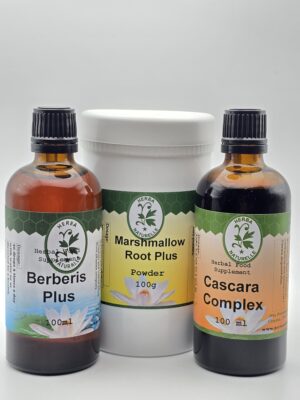 Digestive reset bundle
Original price was: £151.65.£144.95Current price is: £144.95.
Digestive reset bundle
Original price was: £151.65.£144.95Current price is: £144.95.
-
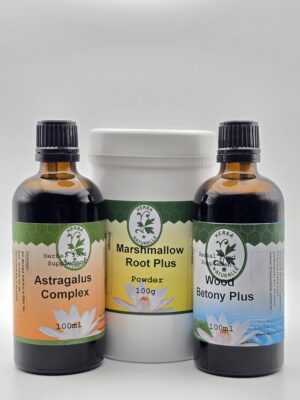 Smooth muscle and immune reset Bundle
Original price was: £177.60.£159.95Current price is: £159.95.
Smooth muscle and immune reset Bundle
Original price was: £177.60.£159.95Current price is: £159.95.
-
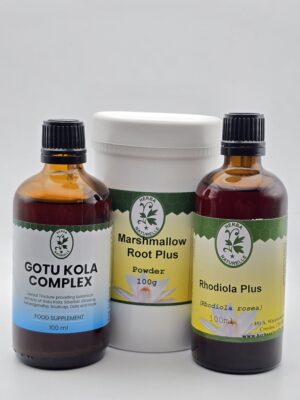 Nervous System Reset
Original price was: £163.68.£149.95Current price is: £149.95.
Nervous System Reset
Original price was: £163.68.£149.95Current price is: £149.95.
-
 Gotu Kola Complex
£26.95
Gotu Kola Complex
£26.95