Echinacea Tincture: Benefits, Dosage and How to Take It
Echinacea is probably the first herb most people in Britain ever actually try, usually reached for in a slight panic the moment a scratchy throat appears, grabbed from a pharmacy shelf without much thought about dose, timing, or which of the several echinacea species the product actually contains. A tincture is one of the most traditional and, many herbalists would argue, most effective ways to take echinacea, and understanding how it actually works changes how useful it is likely to be the next time a cold starts creeping in. It is also one of the herbs where the gap between how it is traditionally used and how most people actually use it is widest, which goes a long way toward explaining why some people swear by it and others insist it does nothing at all.
Which Echinacea Are We Even Talking About
Echinacea is not a single herb but a small family of related plants, and the two most commonly used in herbal medicine are Echinacea purpurea root, traditionally used for acute immune support, and Echinacea angustifolia root, traditionally considered a somewhat deeper acting variety. Many commercial products do not specify which species, or what part of the plant, root, leaf or flower, was used, which matters considerably more than most packaging suggests, since different plant parts and species have genuinely different traditional uses and chemical profiles. A cheap product made from aerial parts alone, for instance, behaves quite differently to a tincture made from properly aged root, even though both might simply say “echinacea” on the front of the bottle.
Why Timing Matters More Than Almost Anything Else
Echinacea’s traditional use is built around early, frequent dosing right at the first sign of a cold, rather than waiting until symptoms are already in full swing or taking it continuously as a daily preventive. This “at the first tickle” approach is one of the most consistent pieces of traditional guidance across herbal literature, and it is also where most people using over the counter echinacea products go wrong, taking it too late or too infrequently to get the traditional benefit the herb is known for, often reaching for it only once a cold is already in full swing and then concluding, understandably but incorrectly, that it simply does not work for them.
Typical Dosage and How to Take It
As with any tincture, concentration varies by product and herb to liquid ratio, so always check the specific label. A commonly used approach is two to four millilitres, taken every two to three hours during the first day or two of symptoms, then reducing to three times daily as things settle, diluted in a small amount of water. The tongue often tingles slightly when echinacea tincture is taken neat, a traditional, informal sign of a reasonably potent preparation, though this sensation is not a reliable test on its own and should not replace checking the product’s actual concentration. Some people find this tingling sensation off putting at first, though most come to recognise it simply as a sign the tincture is doing what it is meant to do.
Short Bursts, Not Constant Use
Echinacea is traditionally used in short, intensive bursts rather than taken continuously for months at a time, and many herbalists recommend cycling it, using it during an acute illness and then stopping once symptoms resolve, rather than keeping it in daily rotation indefinitely alongside the rest of a daily supplement routine. This cycling approach reflects echinacea’s traditional classification as an acute immune stimulant rather than a long term tonic, a distinction that matters considerably for how effective it is likely to be when it is actually needed. Our article on andrographis, the herbalist’s go to for cold and flu season discusses a complementary herb often used alongside echinacea for exactly this acute, short term pattern, and our piece on andrographis, king of bitters covers the herb’s traditional background in more depth.
Building Broader Seasonal Resilience
Echinacea works well as part of a wider seasonal strategy rather than a lone defence, something that gets lost entirely in the single bottle, single herb way it tends to be marketed and sold. Our article on elderflower complex covers a complementary herb traditionally used earlier in the season, before symptoms appear, and our broader shopping guide to the best herbal supplements for seasonal immunity places echinacea within a fuller toolkit rather than treating it as a single catch all solution. Astragalus, by contrast, is traditionally used as a longer term tonic rather than an acute remedy, which illustrates how differently these immune herbs are meant to be used, and why understanding the distinction matters more than simply buying whichever immune supplement happens to be on special offer that week.
Families and Recovery
Many parents reach for echinacea on behalf of their children without fully understanding dosing adjustments for younger bodies, assuming a smaller dose of the same tincture is automatically safe simply because it is smaller, and our article on herbs for children’s immunity covers this specifically. For anyone whose recovery from a viral illness has dragged on longer than expected, our article on herbal support for post viral fatigue addresses a pattern distinct from the acute illness echinacea is traditionally used for, since a lingering, draining recovery calls for a completely different kind of herbal support than the acute, short burst approach described above. Travel also disrupts immune resilience in ways people rarely anticipate, which our article on natural remedies for jet lag and travel fatigue touches on, given how often a long haul flight precedes a cold by only a day or two.
Who Should Be Cautious
Echinacea belongs to the daisy family, and anyone with a known allergy to ragweed, daisies, marigolds or chrysanthemums should be cautious, since cross reactivity is a recognised issue. It also has a traditional reputation for stimulating immune activity, which makes it generally unsuitable for people with autoimmune conditions or those taking immunosuppressant medication, without first discussing it with a qualified practitioner, since working against the mechanism of these medications rarely ends well. Our article on herbal medicine and the NHS touches on how herbal and conventional treatment can be sensibly combined, which is particularly relevant here.
A Realistic, Honest View
We want to be upfront: research on echinacea’s effectiveness is genuinely mixed, with some studies showing modest benefit for reducing cold duration and severity, and others showing little effect, likely reflecting the wide variation in species, plant part and preparation quality used across different studies, a problem that makes comparing studies against each other considerably harder than it first appears. It is not a guaranteed way to avoid catching a cold, and it works best as one part of a broader approach to seasonal health rather than a single reliable shield. Our guide on preventive health and herbal medicine sets out this wider, more realistic approach in more depth.
Discuss Your Case With a Herbalist
Because the right species, dose and timing genuinely affect how useful echinacea is likely to be, a proper consultation gives far more reliable guidance than guessing from a pharmacy shelf under the fluorescent lights while already feeling unwell. Learn more about our clinical approach, take a look at how our herbal consultation works, or read through our patient success stories to see how other people have built a seasonal immune strategy that actually works for them, rather than one assembled in a hurry during cold and flu season.
Our Trending Products & Bundles
-
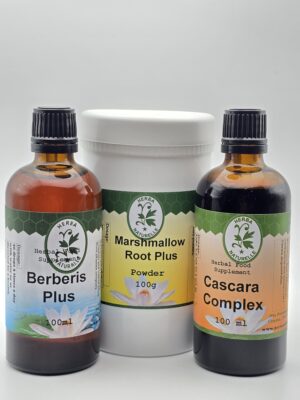 Digestive reset bundle
Original price was: £151.65.£144.95Current price is: £144.95.
-
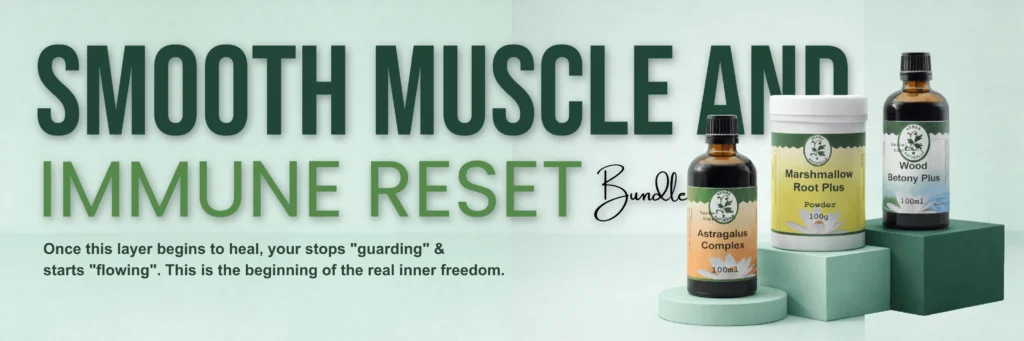
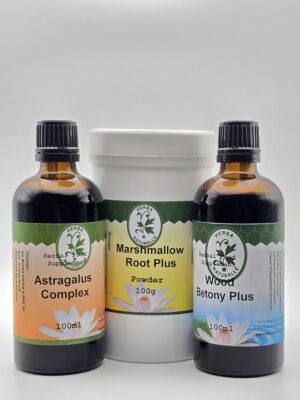 Smooth muscle and immune reset Bundle
Original price was: £177.60.£159.95Current price is: £159.95.
-
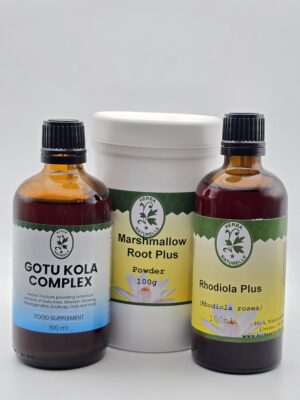 Nervous System Reset
Original price was: £163.68.£149.95Current price is: £149.95.
-
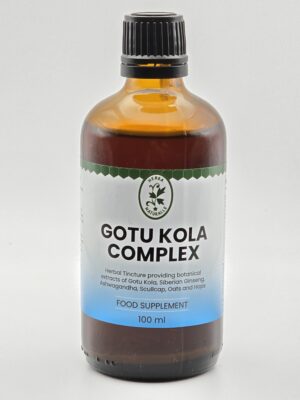 Gotu Kola Complex
£26.95

About the Author

Holistic Herbalist in UK · 30 Years of Excellence at Croydon, GB
Angela Jegnathan brings over 30 years of experience in integrated medicine and more than 25 years of full-time clinical herbal practice. Specializing in holistic herbal medicine, she focuses on restoring digestive health, calming the nervous system, and supporting the body's natural inflammatory response through evidence-based, patient-centered care.
Expertise: Holistic Herbs, Natural Medicines, Herbal Health
30 years of experience
