
Combining Herbs: The Art and Science of Herbal Formulation
When a pharmaceutical doctor prescribes medication, the ideal is usually one drug for one condition. Adding a second drug introduces the risk of drug interactions. Adding a third increases that risk exponentially. The goal of pharmaceutical prescribing is to use the minimum number of drugs at the minimum effective dose.
When a medical herbalist writes a prescription, the approach is the opposite. A typical herbal formula contains five to eight herbs, sometimes more. This is not imprecision or hedging. It is a deliberate, principled approach to treatment that produces results no single herb can match. Understanding why requires understanding the science of herbal synergy and the clinical art of formulation.
The Principle of Synergy
Synergy, in pharmacological terms, means that the combined effect of two or more compounds is greater than the sum of their individual effects. This is not a vague herbalist concept. It is a measurable phenomenon that has been demonstrated in hundreds of studies.
The simplest form of synergy is enhanced bioavailability. Turmeric combined with black pepper is the classic example. Piperine from black pepper inhibits the liver enzymes that normally metabolise curcumin, increasing its bioavailability by up to 2,000 percent. Neither compound works as well alone as they work together.
A more complex form of synergy occurs when herbs target different steps in the same physiological cascade. Consider chronic inflammation. A formula might include turmeric (inhibiting NF-kB and COX-2), frankincense (inhibiting 5-lipoxygenase), nettle (modulating immune cell signalling) and ginger (inhibiting prostaglandin and leukotriene synthesis). Each herb addresses a different inflammatory pathway. Together, they produce a broader, more balanced anti-inflammatory effect than any single herb at any dose.
A third form of synergy occurs when one herb enhances the absorption or distribution of another. Warming, circulatory-stimulating herbs like ginger and prickly ash improve blood flow to target tissues, enhancing the delivery of other herbs in the formula.
The Architecture of a Herbal Formula
Classical herbal formulation follows a consistent architecture, regardless of the condition being treated. This structure ensures that the formula addresses the primary complaint, supports the affected body systems and minimises the risk of adverse effects.
The lead herb (or herbs) directly addresses the primary condition. In a formula for anxiety, the lead might be passionflower and skullcap, potent nervine relaxants that calm overactive nervous function.
The supportive herbs address the underlying causes and contributing factors. In the same anxiety formula, ashwagandha might support HPA axis regulation (addressing the stress response driving the anxiety) and chamomile might calm the gut (addressing the digestive component of the anxiety through the gut-brain axis).
The balancing herb ensures the formula is energetically appropriate. If the lead herbs are strongly cooling, a small amount of a warming herb prevents the formula from becoming excessively cooling. Ginger is commonly used as an energetic balancer and circulation enhancer.
The vehicle herb improves the delivery and absorption of the other herbs. Warming circulatory stimulants like cinnamon or prickly ash improve blood flow to the target organs, ensuring the active compounds reach where they are needed.
This architecture is not rigid. An experienced medical herbalist adapts it to each patient’s specific needs, constitutional pattern and the complexity of their presentation. But the principles, lead, support, balance, deliver, remain consistent.
Addressing Multiple Body Systems
One of the greatest strengths of herbal formulation is the ability to address multiple body systems in a single prescription. A pharmaceutical doctor treating a patient with anxiety, IBS and insomnia might prescribe three separate drugs, each with its own side-effect profile and drug-interaction risk.
A herbalist addressing the same patient can combine nervine relaxants (for the anxiety), digestive herbs (for the IBS) and sedative nervines (for the insomnia) in a single formula, with each herb selected to complement rather than conflict with the others. This is not polypharmacy. This is integrated treatment.
Consider a patient presenting with IBS, anxiety and poor sleep. The formula might include:
- Lemon balm, calms anxiety, relaxes digestive spasm, improves sleep. One herb, three actions across two body systems.
- Valerian, deeper sedation for sleep onset, reduces anxiety, relaxes smooth muscle.
- Gentian, stimulates digestive secretions, strengthens digestive function through the bitter reflex.
- Marshmallow root, soothes inflamed gut lining, supports barrier repair.
- Ashwagandha, modulates HPA axis, builds long-term nervous system resilience.
Five herbs. Three conditions. Two body systems. One coherent treatment. This is the efficiency of intelligent herbal formulation.
Product Formulation vs Individual Prescription
The professional herbal products available through Herba Naturalle reflect these formulation principles in standardised blends designed for specific clinical presentations.
The Digestive Reset Bundle combines bitter digestive stimulants, gut-healing demulcents, anti-inflammatories and antimicrobials in a formula that addresses the multiple factors underlying digestive dysfunction.
The Nervous System Reset combines nervine relaxants for acute symptom relief with nervine tonics for long-term restoration, the dual approach that clinical experience shows produces the best outcomes for nervous system conditions.
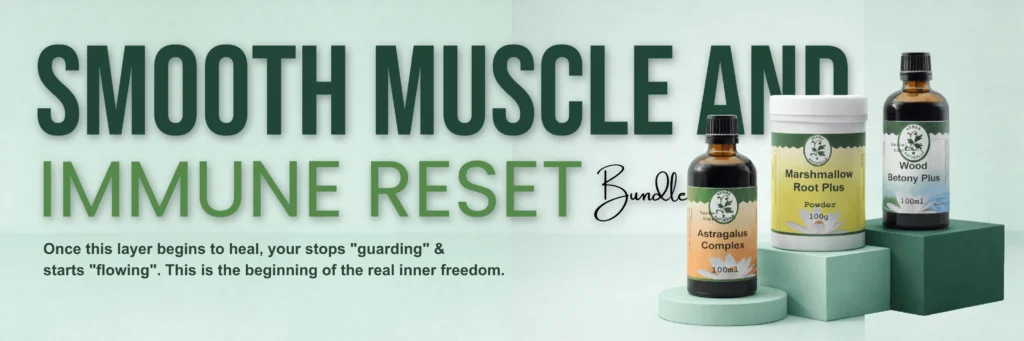
The Smooth Muscle and Immune Reset Bundle addresses the intersection of smooth muscle dysfunction and immune dysregulation that characterises many chronic digestive and systemic conditions.
These products work well for the broad clinical patterns they are designed for. However, a bespoke formula prescribed after a thorough consultation is tailored to your specific constitutional pattern, your specific set of conditions and the specific herbs that your body will respond to most effectively.
Safety in Combination
Combining herbs is safe when done with knowledge and skill. Unlike pharmaceutical drugs, where each addition multiplies the risk of adverse interactions, herbs used in their whole-plant form contain their own buffering compounds. Meadowsweet contains salicylates (like aspirin) alongside tannins and mucilage that protect the stomach, the plant carries its own gastroprotection.
However, herb-drug interactions are a real consideration. St John’s wort accelerates the liver metabolism of many drugs, reducing their effectiveness. Liquorice can affect potassium levels and blood pressure in patients on cardiac medications. Understanding herb-drug interactions is a fundamental part of safe herbal practice.
This is one of the most important reasons for working with a qualified medical herbalist in the UK who has the pharmacological training to manage these interactions safely. The training required to hold this competence is degree-level and clinically rigorous.
The Art Within the Science
Herbal formulation is both an art and a science. The science lies in understanding pharmacology, synergy, bioavailability and herb-drug interactions. The art lies in knowing which herb, among several that could work, will resonate most with this particular patient. It lies in sensing the energetic balance of a formula. It lies in the subtle adjustments made over weeks and months as the patient responds and their needs evolve.
This is why two patients with the same diagnosis, IBS, for example, may receive completely different formulas. The diagnosis is the same but the person is different. Their constitution, their stress pattern, their diet, their sleep, their emotional landscape and the specific pattern of their gut dysfunction all shape the formula.
This personalised, multi-system, synergistic approach to treatment is what makes herbal medicine a distinct and powerful medical system. It is not a lesser version of pharmaceutical medicine. It is a different paradigm entirely, one built on the understanding that the body is an integrated whole and that the most effective treatment addresses it as such.
For a formula designed specifically for you, book a consultation with a qualified medical herbalist. And explore the full range of professionally formulated herbal products on the products page.
Our Trending Products & Bundles
-
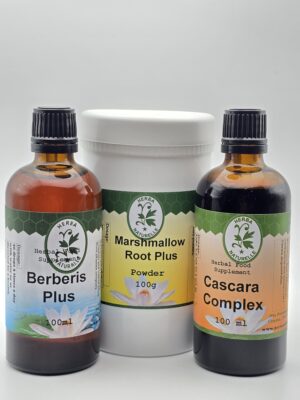 Digestive reset bundle
Original price was: £151.65.£144.95Current price is: £144.95.
-
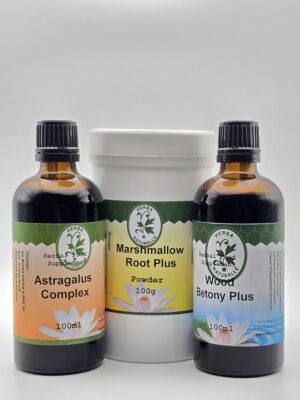 Smooth muscle and immune reset Bundle
Original price was: £177.60.£159.95Current price is: £159.95.
-
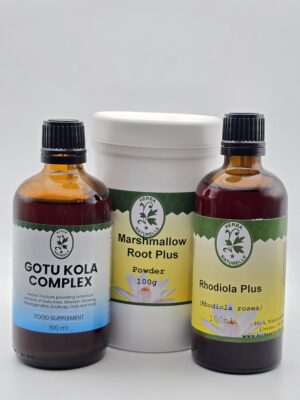 Nervous System Reset
Original price was: £163.68.£149.95Current price is: £149.95.
-
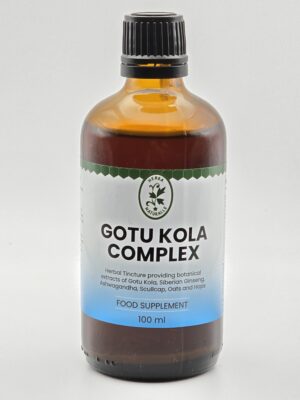 Gotu Kola Complex
£26.95

About the Author

Holistic Herbalist in UK · 30 Years of Excellence at Croydon, GB
Angela Jegnathan brings over 30 years of experience in integrated medicine and more than 25 years of full-time clinical herbal practice. Specializing in holistic herbal medicine, she focuses on restoring digestive health, calming the nervous system, and supporting the body's natural inflammatory response through evidence-based, patient-centered care.
Expertise: Holistic Herbs, Natural Medicines, Herbal Health
30 years of experience
