The History of Herbal Medicine in Britain: From Ancient Roots to Modern Practice
By Anjela Jeganathan – Medical Herbalist | Herba Naturalle
Britain has one of the richest herbal medicine traditions in the world. For most of human history on these islands, plant medicine was not an alternative to mainstream healthcare it was mainstream healthcare, the accumulated knowledge of thousands of years of careful observation, transmitted through monasteries, apothecaries, household medicine books, and the clinical practice of generations of healers.
Understanding this history illuminates both the depth of the tradition and its contemporary relevance.
Ancient and Pre-Christian Herbalism
The Celtic peoples who inhabited Britain before Roman conquest had an elaborate medical tradition centred on plant medicine, with the Druids holding the most sophisticated botanical knowledge. Archaeological evidence from Britain and across Northern Europe confirms the use of plants including Yarrow (Achillea millefolium), Elder (Sambucus nigra), and Mugwort (Artemisia vulgaris) in ritual and therapeutic contexts thousands of years before written records.
Anglo-Saxon Medicine
The first substantial written records of British plant medicine appear in Anglo-Saxon manuscripts, most famously the Leech Book of Bald (approximately 900 CE) one of the earliest medical texts written in Old English, containing hundreds of plant-based prescriptions for conditions ranging from headache and fever to skin conditions and digestive disorders. The detailed botanical knowledge embedded in these texts reflects a sophisticated and extensively developed clinical tradition.
The Anglo-Saxon “Nine Herbs Charm” one of the most famous Old English texts names nine sacred healing plants including Mugwort, Plantain (Plantago major), and Chamomile, and reflects the integration of herbal medicine with the spiritual and cultural life of early Britain.
The Monastic Tradition
Following the Norman Conquest, the primary custodians of herbal medical knowledge became the monasteries. Monastic infirmaries maintained extensive herb gardens and developed complex plant-medicine formularies. Plants like Lavender, Rosemary, Sage, and Lemon Balm were grown throughout monastic Britain not only as aromatics but as medicines their clinical applications codified in manuscripts that preserved and transmitted the accumulated knowledge of earlier traditions.
The Great Herbals: Turner, Gerard, and Culpeper
The 16th and 17th centuries saw the production of the great printed herbals that synthesised centuries of botanical and clinical knowledge into accessible reference works. William Turner’s A New Herball (1551) was the first scientific botanical work published in English. John Gerard’s Herball (1597) combined plant descriptions with extensive clinical guidance and remained a reference for practitioners for generations. Nicholas Culpeper’s Complete Herbal (1653) written in English rather than Latin specifically to make herbal knowledge accessible to ordinary people rather than restricting it to the medical establishment is still in print today and remains the most widely read herbal text in British history.
The 20th and 21st Centuries: Clinical Herbal Medicine
The 20th century saw the systematic development of herbal medicine as a clinical discipline with the establishment of professional bodies, degree-level training programmes, and the integration of phytopharmacology (the science of plant compounds’ effects in the body) into herbal practice. Today, qualified medical herbalists in the UK undertake degree-level training that integrates traditional botanical knowledge with modern biomedical science, pharmacology, and clinical assessment skills.
This is the tradition that Herba Naturalle and Anjela Jeganathan’s practice represent ancient roots, contemporary rigour, and the clinical depth that 30+ years of practice provides. Our recent clinical posts reflect this integration from deep dives into digestive health and cardiovascular risk to specific condition guides for mental health, fatty liver, and heart attack symptoms.
Britain’s herbal medicine tradition is not a historical curiosity. It is a living clinical discipline with roots that run deeper than pharmaceutical medicine and a contemporary relevance that is growing as the limitations of purely pharmaceutical healthcare become increasingly apparent.
This article is for educational purposes only.
Our Trending Products & Bundles
-
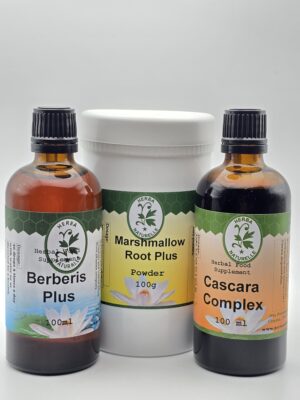 Digestive reset bundle
Original price was: £151.65.£144.95Current price is: £144.95.
Digestive reset bundle
Original price was: £151.65.£144.95Current price is: £144.95.
-
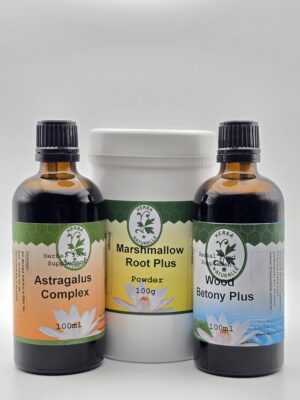 Smooth muscle and immune reset Bundle
Original price was: £177.60.£159.95Current price is: £159.95.
Smooth muscle and immune reset Bundle
Original price was: £177.60.£159.95Current price is: £159.95.
-
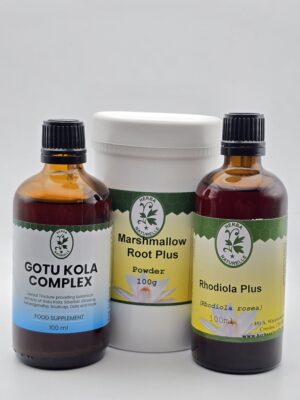 Nervous System Reset
Original price was: £163.68.£149.95Current price is: £149.95.
Nervous System Reset
Original price was: £163.68.£149.95Current price is: £149.95.
-
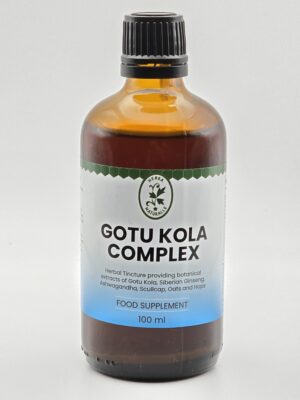 Gotu Kola Complex
£26.95
Gotu Kola Complex
£26.95