Best Herbal Tincture for Sleep UK: 5 Proven Options a Medical Herbalist Recommends
If you are searching for the best herbal tincture for sleep in the UK, you are not alone. Millions of people across Britain struggle to fall asleep, stay asleep, or wake feeling rested. Furthermore, many of them have already tried melatonin, lavender sprays, or over-the-counter remedies without lasting results. The good news is that herbal tinctures, when chosen correctly and dosed properly, offer genuine, evidence-backed relief.
After more than 30 years of clinical herbal practice, the answer to why most people’s sleep attempts fail is usually simple: they picked the wrong herb for their specific problem. Moreover, they expected one-night results from herbs that work over weeks. This guide explains exactly which tinctures work, why they work, and how to use them correctly so you can finally get the sleep your body needs.
Table of Contents
- Why Tinctures Are Better Than Capsules for Sleep
- The 5 Best Herbal Tinctures for Sleep UK
- Comparison Table: Match Your Sleep Problem to the Right Tincture
- How to Combine Sleep Tinctures for Better Results
- Dosage and Timing Guide
- What Does Not Work and Why
- When to See a Medical Herbalist
- Frequently Asked Questions
Why Tinctures Are Better Than Capsules for Sleep
Before exploring which herbal tincture for sleep is best in the UK, it is worth understanding why the tincture format matters specifically for bedtime use.
A tincture is a concentrated liquid herbal extract, typically made with alcohol and water. When you place it under your tongue or stir it into warm water, the active compounds absorb directly through the oral mucosa. As a result, they reach your bloodstream within 5 to 15 minutes. Capsules, by contrast, must pass through your digestive system first, which typically takes 30 to 45 minutes.
For sleep, timing is critical. Therefore, a tincture taken 30 to 45 minutes before bed gives you far more reliable onset than a capsule requiring 60 to 90 minutes of lead time.
Additionally, many key sleep compounds, including valerenic acid in valerian and chrysin in passionflower, dissolve far more effectively in alcohol than in water. This means a well-made tincture often delivers more active material per dose than an equivalent capsule.
To understand this in more depth, read about bioavailability differences between tinctures, teas and capsules and how herbal medicine works at a biochemical level.
The 5 Best Herbal Tinctures for Sleep UK
1. Valerian Root Tincture: Strongest Clinical Evidence
Valerian root (Valeriana officinalis) is the most clinically studied herbal sleep aid in Western medicine. Indeed, a meta-analysis published in the American Journal of Medicine reviewed 16 randomised controlled trials and confirmed that valerian reduces sleep onset time by an average of 15 to 20 minutes. Crucially, it does this without suppressing REM sleep or causing rebound insomnia, which are two major problems with pharmaceutical sleep aids.
The primary active compound, valerenic acid, works in two ways. First, it inhibits the enzyme that breaks down GABA in the brain, effectively raising calming neurotransmitter levels. Second, it acts as a partial agonist at GABA-A receptors. Because of this dual mechanism, valerian is particularly useful for people who cannot switch off at night and experience physical tension or restlessness.
Valerian has a distinctive sulphurous smell from isovaleric acid. However, this is entirely normal and not a sign of poor quality. Stirring it into warm water reduces the odour considerably without reducing its effectiveness.
Who benefits most: People who struggle to fall asleep, feel physically tense at bedtime, or have a long history of nervous system overactivity.
UK adult dose: 2 to 4 mL of a 1:3 or 1:5 tincture, taken 45 to 60 minutes before bed.
Important: Valerian builds over 2 to 4 weeks of consistent nightly use. Therefore, do not judge it after a single night.
For more detail, read the full Valerian Root herb profile and the Valerian Tincture dosage guide. The herbal nervines guide explains how valerian fits into the broader category of nervous system herbs.
2. Passionflower Tincture: Best for a Racing Mind
Passionflower (Passiflora incarnata) is the top choice when the main obstacle to sleep is mental overactivity rather than physical fatigue. In other words, if you feel tired in your body but your mind keeps running, passionflower is likely more effective for you than valerian.
Two randomised controlled trials support its use. First, a 2011 trial in Phytotherapy Research found passionflower significantly improved subjective sleep quality compared to placebo. Second, a further study found it performed comparably to low-dose oxazepam, a benzodiazepine, for reducing generalised anxiety. Notably, it achieves this without dependence risk or next-morning grogginess.
The active flavonoids chrysin and vitexin bind to GABA-A receptors as partial agonists at much lower affinity than pharmaceutical sedatives. Consequently, they produce calm without heavy sedation.
Furthermore, passionflower pairs exceptionally well with valerian because their mechanisms are distinct and additive. This is precisely why most clinical-grade sleep formulas use both together. You can learn more about how herbalists combine herbs for maximum clinical effect.
Who benefits most: People with anxiety-driven insomnia, racing thoughts, difficulty quieting a busy mind, or those in mentally demanding jobs.
UK adult dose: 1 to 2 mL, taken 30 to 45 minutes before bed.
Read the full Passionflower herb profile for more detail.
3. Lemon Balm Tincture: Gentle but Distinctly Effective
Lemon balm (Melissa officinalis) works through a mechanism that sets it clearly apart from every other herb on this list. Rather than directly binding to receptors, rosmarinic acid in lemon balm inhibits GABA transaminase, the enzyme responsible for breaking down GABA. As a result, brain GABA levels rise in a subtler, less receptor-dependent way, which is why lemon balm produces very little next-morning sedation.
A pilot study published in Nutrients found that 500 mg of lemon balm extract reduced insomnia symptoms by 42 percent and anxiety by 18 percent over 15 days. Moreover, when combined with valerian in direct trial comparisons, the two-herb combination consistently outperformed either herb used alone.
Lemon balm also has a pleasant lemon-mint flavour, which makes sublingual dosing considerably more comfortable than valerian for most people.
Clinically, lemon balm fits well for people with mild sleep difficulty related to daytime anxiety or stress. Additionally, it is an excellent starting point for those new to herbal sleep support.
Who benefits most: People with mild to moderate sleep difficulty, daytime anxiety, or anyone new to herbal tinctures who wants a gentle, well-tolerated starting point.
UK adult dose: 1 to 3 mL, taken 30 minutes before bed.
Read the Lemon Balm herb profile and Lemon Balm Tincture guide for full dosing and preparation details. Understanding how herbal nervines calm and restore the nervous system gives useful clinical context for why lemon balm works as it does.
4. Ashwagandha Tincture: Addresses the Root Cause of Stress-Driven Sleep Problems
Ashwagandha (Withania somnifera) approaches sleep from a fundamentally different angle than the other herbs on this list. While valerian, passionflower, and lemon balm address the acute mechanics of falling asleep, ashwagandha targets the underlying hormonal driver of stress-related insomnia.
Elevated evening cortisol is one of the most common hidden causes of poor sleep in the UK today. When cortisol remains high into the evening, it directly suppresses melatonin production and keeps the brain in a state of alert past bedtime. Ashwagandha, an adaptogen, gradually modulates the hypothalamic-pituitary-adrenal axis to reduce baseline cortisol over 4 to 8 weeks of daily use.
A 2019 randomised controlled trial published in Medicine found that KSM-66 ashwagandha at 300 mg twice daily for 8 weeks produced a 27.9 percent cortisol reduction and a 72 percent improvement in Pittsburgh Sleep Quality Index scores compared to placebo. Those are clinically significant results.
However, the critical point is that ashwagandha does not work acutely. Therefore, taking it once before a stressful night will not help. It is a slow-acting adaptogen that reshapes your stress response system over months of consistent use.
You can read more about adaptogens and how stress-modulating herbs restore balance and the full Ashwagandha Tincture dosage guide. Additionally, understanding how chronic stress physically affects the body helps explain why ashwagandha is so valuable as a long-term sleep foundation.
Who benefits most: People whose poor sleep is driven by work stress, burnout, anxiety, or consistently high cortisol. Best used as the foundation of a broader sleep and stress protocol.
UK adult dose: 1 to 2 mL twice daily, morning and evening. Not taken as a single pre-bed dose.
5. Chamomile Tincture: Safest Choice for Sensitive Individuals
Chamomile (Matricaria chamomilla) is frequently underestimated because people associate it only with a gentle bedtime tea. In tincture form, however, chamomile delivers a significantly more concentrated dose of apigenin, its key flavonoid, which binds the benzodiazepine site on GABA-A receptors.
A 2017 randomised trial in 60 elderly adults with sleep difficulty found chamomile improved sleep quality significantly compared to placebo, with benefits appearing within the first few weeks. Furthermore, the anti-inflammatory compounds azulene and bisabolol reduce physical tension that commonly delays sleep onset, making chamomile particularly useful for those whose sleep is disrupted by bodily discomfort.
Chamomile is the gentlest nervine on this list and produces the least morning sedation. Consequently, it is appropriate for older adults, people sensitive to stronger herbs, or those who need to wake early and alert.
One important caution: Chamomile belongs to the Asteraceae plant family. Therefore, people with ragweed allergies may experience cross-reactivity in approximately 3 to 5 percent of cases.
Who benefits most: Older adults, people sensitive to stronger sedatives, those with mild sleep difficulty related to physical tension or digestive discomfort.
UK adult dose: 2 to 4 mL, taken 30 minutes before bed.
Read the German Chamomile Flowers herb profile for the full clinical picture.
Comparison Table: Match Your Sleep Problem to the Right Tincture
| Sleep Problem | Best Tincture | Secondary Option | Timing Before Bed |
|---|---|---|---|
| Cannot fall asleep, physically tense | Valerian Root | Passionflower | 45 to 60 minutes |
| Racing mind and anxious thoughts | Passionflower | Lemon Balm | 30 to 45 minutes |
| Mild difficulty, new to herbs | Lemon Balm | Chamomile | 30 minutes |
| Stress or burnout driving poor sleep | Ashwagandha daily | Add Valerian at night | Morning and evening |
| Older adults or sensitive individuals | Chamomile | Lemon Balm | 30 minutes |
| Waking in the night, cannot return to sleep | Valerian plus Passionflower | Add Lemon Balm | 45 minutes |
How to Combine Sleep Tinctures for Better Results
A well-designed sleep tincture protocol targets at least two distinct biological mechanisms. This approach consistently outperforms single herbs in clinical trials and is why professional herbalists rarely prescribe one herb alone.
The classic sleep combination used in clinical practice is:
Valerian (40%) + Passionflower (30%) + Lemon Balm (20%) + Chamomile (10%)
This covers GABA-A receptor partial agonism from valerian and passionflower, GABA transaminase inhibition from lemon balm, and mild anti-inflammatory support from chamomile. For people with significant stress driving their insomnia, ashwagandha is added as a separate daytime dose alongside this formula.
Furthermore, if you are buying individual tinctures rather than a pre-made blend, take each separately. Take valerian first, 45 to 60 minutes before bed, followed by passionflower and lemon balm at 30 minutes before bed.
The principle of combining herbs with complementary mechanisms is at the heart of clinical herbal formulation practice and distinguishes professional prescribing from simply purchasing whatever is available on a shelf.
Dosage and Timing: A Practical Protocol
| Tincture | Standard Adult Dose | Timing | Build-Up Period |
|---|---|---|---|
| Valerian Root | 2 to 4 mL | 45 to 60 min before bed | 2 to 4 weeks |
| Passionflower | 1 to 2 mL | 30 to 45 min before bed | Days to 2 weeks |
| Lemon Balm | 1 to 3 mL | 30 min before bed | 1 to 2 weeks |
| Ashwagandha | 1 to 2 mL twice daily | Morning and evening | 4 to 8 weeks |
| Chamomile | 2 to 4 mL | 30 min before bed | 1 to 2 weeks |
Starting advice: Begin at 50 percent of the target dose for the first 5 to 7 nights before increasing. This reduces the chance of initial reactions and allows you to assess your individual response accurately.
Additionally, avoid alcohol within 2 hours of taking sleep tinctures, and avoid stimulating adaptogens like rhodiola in the evening. Both counteract the GABA-mediated calming you are trying to achieve. For long-term use, taking sedating herbs 5 nights on and 2 nights off helps preserve receptor sensitivity over months of consistent use.
What Does Not Work and Why
Before spending money on products that commonly disappoint, it is worth knowing what frequently fails and why.
Lavender capsules as a primary sleep remedy: Lavender has modest evidence for reducing anxiety but very limited evidence for improving actual sleep onset or duration when taken orally. It works considerably better as an aromatherapy tool.
Low-dose ashwagandha taken once before bed: Ashwagandha requires consistent daily use for 4 to 8 weeks to significantly reduce cortisol. Single acute doses produce no meaningful sleep effect.
Chamomile tea instead of a tincture for genuine insomnia: A standard cup of chamomile tea contains a fraction of the apigenin dose that shows measurable effects in clinical trials. Therefore, if your insomnia is significant, tea is simply not the right preparation.
Using any single herb without addressing the root cause: This is the most important point of all. If your poor sleep is driven by gut inflammation, hormonal imbalance, a nervous system that has been in overdrive for years, or the gut-brain axis being out of balance, no tincture will produce lasting results without addressing that underlying picture. This is precisely why professional herbal consultations exist.
The herbal approach to sleep problems and the nervous system on this site explains the broader clinical view of sleep from a Western medical herbalist perspective and is worth reading alongside this guide.
When to See a Medical Herbalist
Self-selecting a sleep tincture from this guide is a reasonable starting point for mild to moderate sleep difficulty. However, there are situations where a medical herbalist consultation will produce significantly better results than any self-prescription.
Consider booking a professional consultation if:
- Your sleep difficulty has lasted more than 3 months
- Sleep problems are associated with significant anxiety, depression, or burnout
- You experience sleep disruption after illness, bereavement, or major life stress
- Poor sleep accompanies other chronic symptoms such as digestive issues, fatigue, or hormonal imbalance
- You take prescription medications, as herb-drug interactions need professional assessment
- Previous herbal or supplement attempts have not produced results
A trained medical herbalist does not simply prescribe valerian for sleep. Instead, they assess the whole person: nervous system state, digestive function, hormonal picture, lifestyle factors, and constitutional type. The result is a tincture prescription tailored specifically to you, not a generic formula from a shelf.
Information about booking an online or in-person consultation and fees is available on this site. If your sleep difficulty is part of a broader pattern of chronic fatigue, brain fog, or inflammation, or if you suspect your nervous system is driving your symptoms, a clinical consultation is the most direct route to lasting improvement.
Frequently Asked Questions
What is the best herbal tincture for sleep in the UK?
Valerian root has the strongest clinical evidence for sleep, with 16 controlled trials confirming it reduces sleep onset time by 15 to 20 minutes on average. However, for anxiety-driven insomnia with racing thoughts, passionflower is often more effective. For stress or burnout driving poor sleep, ashwagandha used daily over 4 to 8 weeks addresses the root cause more effectively than acute sedative herbs. The best choice depends on your specific sleep problem.
How quickly do herbal sleep tinctures work?
Passionflower and lemon balm can produce noticeable calming effects within 20 to 30 minutes of a sublingual dose. Valerian typically takes 2 to 4 weeks of consistent nightly use to show its full effect. Ashwagandha requires 4 to 8 weeks of daily use before meaningful cortisol reduction occurs. Therefore, patience is essential with herbal sleep support.
Are herbal sleep tinctures safe to take every night?
Valerian and passionflower tinctures are considered safe for nightly use for up to 8 to 12 weeks at standard adult doses. After 12 weeks of continuous use, a 1 to 2 week break is advisable. However, always consult a qualified herbalist or healthcare professional before combining with prescription medications.
Can I take herbal sleep tinctures with melatonin?
Low-dose melatonin combined with valerian or passionflower tincture is generally well-tolerated and shows additive effect in preliminary research. However, avoid stacking with prescription sleep medications without professional guidance.
Why is my valerian tincture not working after one night?
Valerian does not work acutely for most people. Its effects build over 2 to 4 weeks of consistent nightly use. Some people notice a slight paradoxical wakefulness in the first week. This is not a reason to stop. Continue at a consistent dose and assess results honestly after 3 to 4 weeks.
Is passionflower or valerian better for anxiety-driven insomnia?
Passionflower is generally preferred when the primary obstacle is racing thoughts and mental anxiety. Valerian is preferred when physical tension and difficulty switching the body off is the main feature. The combination of both, targeting two distinct GABA mechanisms simultaneously, typically outperforms either herb alone.
Where can I get professional advice on herbal tinctures for sleep in the UK?
A qualified medical herbalist can assess your individual picture and prescribe a tincture formula specific to your constitution, underlying causes, and any medications you are taking. Information about consultations and fees is available on this site.
Final Thoughts
The best herbal tincture for sleep in the UK depends entirely on your specific sleep problem, its root cause, and how long it has been present. Valerian root has the strongest evidence for sleep onset. Passionflower suits anxiety and mental overactivity. Lemon balm offers a gentle, well-tolerated option for milder difficulty. Ashwagandha addresses stress-driven insomnia at the hormonal level over time. Chamomile is the safest and gentlest option for sensitive individuals.
Tinctures consistently outperform capsules for sleep because of faster sublingual absorption and higher bioavailability of alcohol-soluble active compounds. Moreover, combining two or three herbs with complementary mechanisms nearly always produces better results than any single herb alone.
Most importantly, lasting sleep improvement requires identifying and addressing the root cause, not simply suppressing symptoms nightly. If you have been struggling with sleep for months or years, working with a qualified medical herbalist is likely to produce far better long-term outcomes than self-prescribing alone. You can also read more about the herbal approach to sleep problems and nervous system support to understand the full clinical picture.
Our Trending Products & Bundles
-
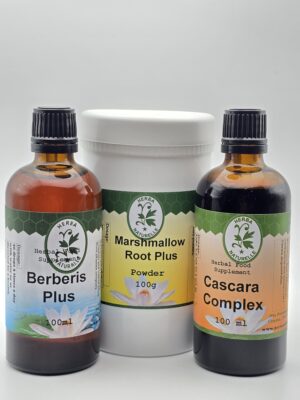 Digestive reset bundle
Original price was: £151.65.£144.95Current price is: £144.95.
-
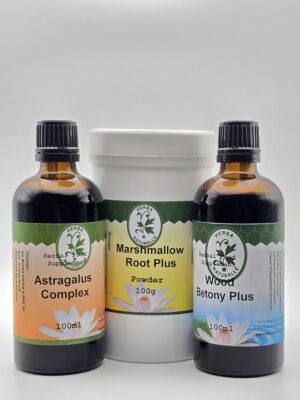 Smooth muscle and immune reset Bundle
Original price was: £177.60.£159.95Current price is: £159.95.
-
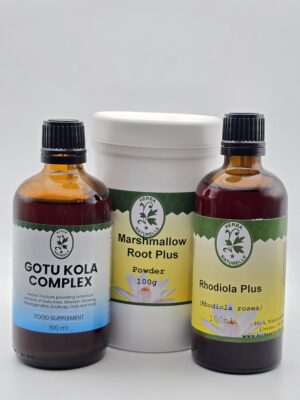 Nervous System Reset
Original price was: £163.68.£149.95Current price is: £149.95.
-
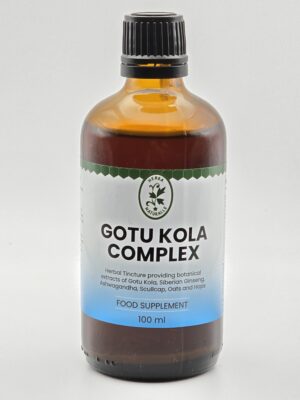 Gotu Kola Complex
£26.95

About the Author

Holistic Herbalist in UK · 30 Years of Excellence at Croydon, GB
Angela Jegnathan brings over 30 years of experience in integrated medicine and more than 25 years of full-time clinical herbal practice. Specializing in holistic herbal medicine, she focuses on restoring digestive health, calming the nervous system, and supporting the body's natural inflammatory response through evidence-based, patient-centered care.
Expertise: Holistic Herbs, Natural Medicines, Herbal Health
30 years of experience
