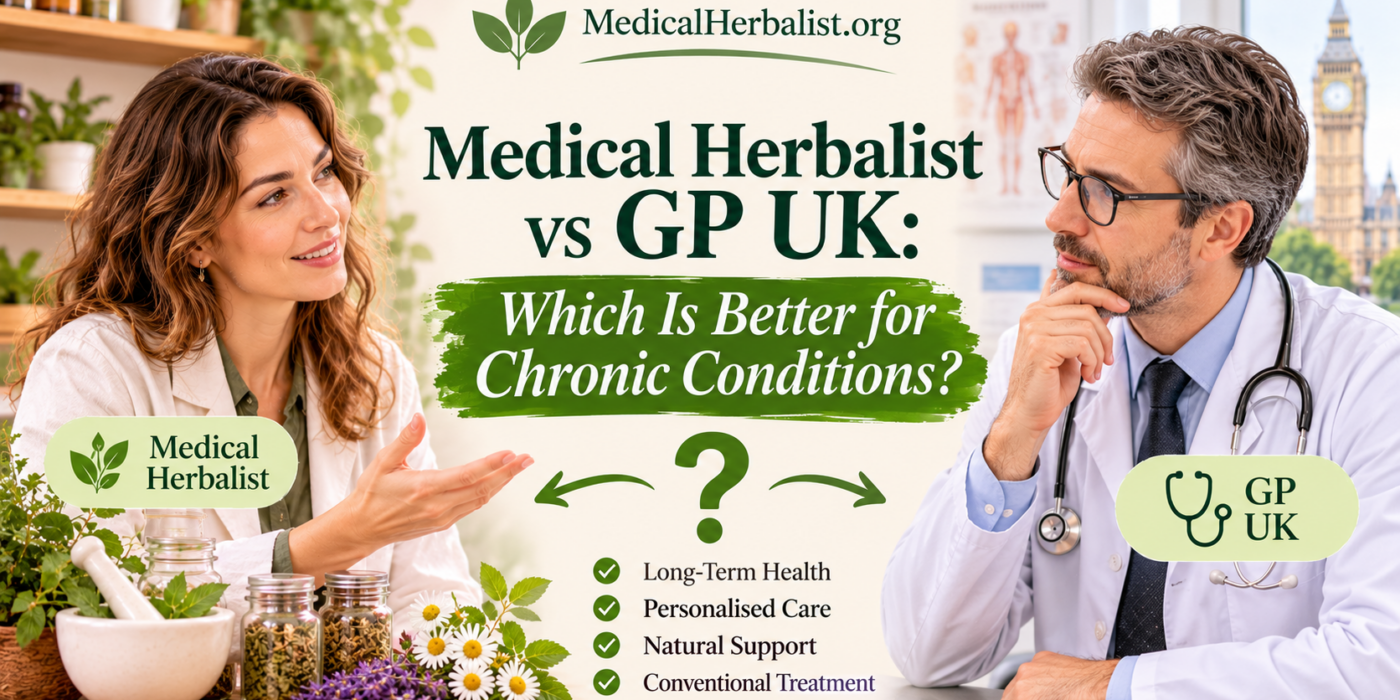
Medical Herbalist vs GP UK: Which Is Better for Chronic Conditions?
If you are weighing up a medical herbalist vs GP in the UK, you are asking exactly the right question. In 2026, millions of British people are waiting weeks for a ten-minute GP appointment, only to leave with a prescription that manages symptoms without ever addressing why those symptoms appeared in the first place. As a result, a growing number of patients are turning to medical herbalists as either an alternative or a complement to NHS primary care.
This comparison does not argue that one is universally better than the other. Instead, it explains precisely what each practitioner does, where each genuinely excels, and which conditions are best suited to each approach. After 30 years of clinical herbal practice, the clearest answer is this: the right choice depends entirely on what your body actually needs.
Table of Contents
- What Is a Medical Herbalist? Qualifications and Training
- What Does a GP Do? Role and Limitations
- Medical Herbalist vs GP: Head-to-Head Comparison
- Where a Medical Herbalist Outperforms a GP
- Where a GP Remains the Right First Choice
- Conditions That Respond Particularly Well to Herbal Medicine
- Can a Medical Herbalist Work Alongside Your GP?
- Cost and Waiting Times: A Practical Comparison
- How to Choose the Right Practitioner for Your Situation
- Frequently Asked Questions
What Is a Medical Herbalist? Qualifications and Training
Before comparing a medical herbalist vs a GP in the UK, it is important to understand what a qualified medical herbalist actually is, because there is significant confusion about this in the public mind.
A medical herbalist is not simply someone who sells herbs or recommends supplements in a health food shop. A qualified medical herbalist holds a BSc degree or equivalent in Herbal Medicine, as confirmed by the National Institute of Medical Herbalists (NIMH), the oldest body of practising medical herbalists in the world, established in 1864. Their training includes the same medical diagnostic subjects as conventional medicine: pathology, physiology, pharmacology, physical examination, nutrition, and clinical medicine. Many have also completed clinical placements in hospital and NHS settings.
The key distinction, however, is in philosophy. While a GP is trained to identify a disease and prescribe a drug to suppress or manage its symptoms, a medical herbalist is trained to identify the root cause of a person’s ill health and use medicinal plants to support the body’s own healing processes. This is a fundamentally different model of care, not a lesser one.
Medical herbalists registered with the NIMH carry the letters MNIMH or FNIMH after their names. Those registered with the College of Practitioners of Phytotherapy (CPP) carry equivalent recognition. Always check for one of these credentials before booking a consultation.
You can read more about what to expect from a medical herbalist consultation and how herbal medicine works at a biochemical level to understand the science behind the practice.
What Does a GP Do? Role and Limitations
A General Practitioner is a conventionally trained medical doctor who serves as the first point of contact in the NHS healthcare system. GPs are exceptionally skilled at acute diagnosis, emergency triage, managing serious or life-threatening conditions, and coordinating specialist referrals. For these purposes, they are irreplaceable.
However, the NHS model has significant structural limitations when it comes to chronic, complex, or multisystem health problems. The average GP appointment in the UK lasts 10 to 12 minutes. Within that time, a doctor must review notes, listen to the patient, run any necessary tests, and decide on a management plan. For a patient presenting with fatigue, digestive problems, poor sleep, anxiety, and recurring infections simultaneously, that model is simply not designed to address the interconnected picture.
Furthermore, GP training is primarily pharmacological. The tools available within a standard NHS appointment are predominantly prescription drugs, which target specific symptoms or biological pathways. This is enormously valuable for acute conditions. For chronic conditions with multiple contributing factors, however, symptom suppression without root-cause resolution often leads to escalating medication requirements over time.
A 2025 BCA survey found that 56 percent of British people feel put off seeing their GP because of NHS waiting list times. Additionally, GP shortages, retirement rates exceeding recruitment, and increasing patient complexity have created a primary care system under unprecedented pressure. The reality is that for many people with ongoing health concerns, the NHS system as currently structured is not able to provide the depth of assessment their condition requires.
Medical Herbalist vs GP: Head-to-Head Comparison
| Factor | Medical Herbalist | GP (NHS) |
|---|---|---|
| Consultation length | 60 to 90 minutes (initial) | 10 to 12 minutes |
| Approach | Root cause, whole person | Symptom diagnosis and management |
| Prescribing | Individualised herbal formulas | Licensed pharmaceutical drugs |
| Waiting time | Often within 1 to 2 weeks | 2 to 6 weeks typically |
| Cost | Private fee (typically £60 to £120 initial) | Free on NHS |
| Best for | Chronic, complex, multisystem conditions | Acute illness, emergencies, diagnosis |
| Diagnosis rights | Cannot legally diagnose medical conditions | Full diagnostic rights |
| Referral to specialist | Can recommend; cannot refer directly | Can refer via NHS pathways |
| Herb-drug interactions | Assessed in consultation | Rarely assessed by GPs |
| Long-term follow-up | Typically 4 to 8 follow-up sessions | Repeat prescriptions, annual reviews |
Where a Medical Herbalist Outperforms a GP
There are specific clinical contexts where a medical herbalist consistently offers more than a standard GP appointment can provide. Understanding these helps you decide when to book which type of care.
Chronic Conditions That Have Not Responded to Conventional Treatment
Many patients arrive at a herbalist’s clinic after years of GP visits, blood tests that come back normal, and medications that have not resolved their symptoms. Conditions such as chronic fatigue syndrome and fibromyalgia, persistent IBS, recurring hormonal imbalance, and long-term anxiety often fall into this category.
A herbalist has the time and training to explore the full picture: gut function, nervous system tone, inflammatory markers, sleep quality, stress history, and constitutional patterns. Moreover, the gut-brain axis alone connects symptoms that a 10-minute appointment would treat as separate problems. A herbalist sees and treats the connection.
Hormonal and Reproductive Health
Conditions such as polycystic ovary syndrome (PCOS), endometriosis, perimenopause, and premenstrual syndrome (PMS) are often managed conventionally with hormonal contraceptives or antidepressants. While these are appropriate in some cases, they do not address the hormonal, inflammatory, and nervous system factors driving the condition.
Herbal medicine has a long clinical tradition in hormonal regulation, and several herbs, including vitex agnus-castus, black cohosh, and ashwagandha, have meaningful evidence supporting their use in these conditions. You can read more about natural remedies and herbal support for PCOS and herbal support for menopause on this site.
Nervous System and Mental Health Support
GPs treat anxiety and depression primarily with SSRIs and cognitive behavioural therapy referrals. Both are valuable, but the waiting list for psychological therapy on the NHS can exceed 12 to 18 months in many areas. Meanwhile, herbal nervines such as passionflower, lemon balm, St John’s Wort, and valerian have robust clinical evidence for mild to moderate anxiety and depression, and can be safely prescribed by a herbalist while awaiting NHS mental health support.
Furthermore, the chronic stress and adrenal picture is something herbal medicine addresses particularly well through adaptogenic herbs that modulate the stress response system over time.
Digestive Health
IBS, inflammatory bowel conditions, small intestinal bacterial overgrowth (SIBO), and functional digestive disorders respond particularly well to herbal medicine. This is partly because the gut is a primary site of action for many medicinal plants, and partly because a herbalist assesses diet, stress, nervous system function, and gut microbiome together rather than in isolation.
Where a GP Remains the Right First Choice
It is equally important to be clear about where your GP is the correct first contact and where herbal medicine is not appropriate as a primary approach.
Always see your GP first if:
- You have chest pain, difficulty breathing, or symptoms of a stroke or heart attack
- You have unexplained significant weight loss
- You notice a new lump, skin change, or persistent bleeding
- You have a fever that does not resolve within 72 hours
- You are experiencing suicidal thoughts or a mental health crisis
- You have a known serious condition such as cancer, kidney disease, or diabetes that requires monitoring
- Your symptoms appeared suddenly and are rapidly worsening
A medical herbalist will always refer you back to your GP or recommend emergency care if a symptom pattern suggests something beyond the scope of herbal practice. Good herbal medicine works within a system of care, not outside it. Under UK law, medical herbalists are not legally permitted to diagnose medical conditions, which remains the role of your GP. What they can do is support the whole person, prescribe individualised plant medicines, and work alongside your existing medical care.
Conditions That Respond Particularly Well to Herbal Medicine
Based on three decades of clinical practice, the following categories of conditions show the most consistent and meaningful response to herbal treatment:
| Condition Category | Examples | Herbal Approach |
|---|---|---|
| Digestive disorders | IBS, bloating, acid reflux, constipation | Gut-focused herbs, nervous system support |
| Hormonal conditions | PCOS, menopause, PMS, endometriosis | Hormone-modulating and adaptogenic herbs |
| Nervous system | Anxiety, insomnia, burnout, fatigue | Nervines, adaptogens, tonics |
| Skin conditions | Eczema, psoriasis, acne, rosacea | Internal and external herbal protocol |
| Immune system | Recurrent infections, long Covid, low immunity | Immunomodulating and anti-inflammatory herbs |
| Musculoskeletal | Inflammation, joint pain, fibromyalgia | Anti-inflammatory and circulatory herbs |
| Cardiovascular support | High blood pressure, cholesterol, circulation | Cardiovascular herbs alongside GP monitoring |
Each of these is addressed through a whole-person clinical assessment rather than a condition-specific prescription, which is why the results often differ from standard treatment.
Can a Medical Herbalist Work Alongside Your GP?
Yes, and this is increasingly common in the UK. A well-trained medical herbalist does not ask you to abandon your conventional care. Instead, they work within your existing treatment picture, assess herb-drug interactions carefully, and communicate with your GP where appropriate.
This integrative model is particularly valuable for people managing long-term conditions on pharmaceutical medication. For example, a patient taking statins for high cholesterol may be able to support cardiovascular health with specific herbal interventions while their GP monitors blood markers. Similarly, someone on antidepressants can explore herbal nervous system support that does not interfere with their medication, under professional herbalist guidance.
The key point is that professional herbal prescribing is not the same as buying herbal supplements from a health food shop and taking them alongside prescription drugs without guidance. Herb-drug interactions exist and must be properly assessed. This is precisely why a qualified consultation matters.
Cost and Waiting Times: A Practical Comparison
One of the most common reasons people hesitate about seeing a medical herbalist is cost. NHS GP appointments are free, while a herbalist charges a private fee. This is a legitimate consideration. However, the full cost picture is more nuanced.
A typical medical herbalist initial consultation in the UK costs between £60 and £120, depending on the practitioner and location. This includes a 60 to 90 minute appointment, a detailed case history, and a bespoke tincture prescription. Follow-up appointments typically cost £40 to £70. The total investment for a 3-month course of treatment is usually £300 to £500 including herbs.
For comparison, a GP appointment is free but increasingly inaccessible. BCA research found that 56 percent of UK patients feel put off seeing their GP due to waiting times, and average wait times across England now commonly reach 2 to 6 weeks for a non-urgent appointment. For someone whose chronic condition is worsening month by month, that delay has its own cost: continued suffering, reduced productivity, and potentially escalating complexity.
Furthermore, many people with chronic conditions spend years on repeat prescriptions without resolution, accumulating costs in prescription charges (£9.90 per item in England), over-the-counter supplements, and private specialist referrals that can run into thousands of pounds. A focused period of herbal treatment aimed at root-cause resolution can, in many cases, reduce this long-term burden significantly.
Information about consultation fees and what a session includes is available on this site.
How to Choose the Right Practitioner for Your Situation
The clearest framework for deciding between a medical herbalist and a GP is to ask yourself three questions:
First: Is this an acute, potentially serious, or rapidly developing condition? If yes, see your GP first.
Second: Is this a chronic condition that has been present for months or years, has not fully resolved with conventional treatment, and involves multiple interconnected symptoms? If yes, a medical herbalist is likely to offer more than a standard GP appointment.
Third: Could both work together? In most chronic cases, the answer is yes. A herbalist assesses and treats the root-cause picture while your GP continues to monitor, prescribe where necessary, and handle acute episodes.
Understanding how herbal medicine and conventional care complement each other is an important part of making an informed decision. Additionally, understanding the herbal approach to specific conditions you are dealing with helps clarify whether herbal medicine is a realistic option for your situation.
If you are considering a consultation, booking information and fees are available here.
Frequently Asked Questions
Is a medical herbalist as qualified as a GP?
A medical herbalist holds a BSc degree or equivalent in Herbal Medicine and is trained in the same medical diagnostic subjects as a GP, including pathology, physiology, pharmacology, and clinical examination. However, the two roles are legally and clinically distinct. A GP can diagnose medical conditions and prescribe licensed pharmaceutical drugs. A medical herbalist cannot legally diagnose but can prescribe individualised herbal medicines under the Medicines Act 1968 exemption. Each is qualified for a different model of care.
Can a medical herbalist replace my GP?
No, and a qualified herbalist would not suggest they can. A medical herbalist complements your GP’s care rather than replacing it. For diagnosis, emergencies, serious illness, and pharmaceutical management, your GP remains essential. For chronic conditions, root-cause investigation, and personalised herbal treatment, a herbalist offers something the NHS model structurally cannot.
Is herbal medicine covered by the NHS?
Herbal medicine consultations and prescriptions are not funded by the NHS. However, some private health insurance plans in the UK are beginning to cover complementary therapies. It is worth checking your policy.
How long does herbal treatment take to work?
An old herbalist guideline suggests allowing approximately one month of treatment for every year the condition has been present. For acute or recent problems, results often appear within days to weeks. For long-standing chronic conditions, meaningful improvement typically takes 3 to 6 months of consistent treatment.
Can I take herbal medicine alongside my prescription medication?
In many cases, yes, but this must be assessed by a qualified herbalist who is trained in herb-drug interactions. Some herbs, including St John’s Wort, have well-documented interactions with certain pharmaceutical drugs. A professional consultation is essential before combining herbal prescriptions with any prescription medication.
What conditions is herbal medicine most effective for?
Herbal medicine shows particularly strong results for chronic digestive disorders, hormonal and reproductive conditions, anxiety and sleep problems, skin conditions, recurrent immune challenges, and fatigue-related conditions. These are areas where conventional medicine often manages but does not resolve, making the root-cause herbal approach distinctly valuable.
How do I find a qualified medical herbalist in the UK?
Look for a practitioner registered with the National Institute of Medical Herbalists (NIMH) or the College of Practitioners of Phytotherapy (CPP). Both registries are publicly searchable and ensure your practitioner holds a recognised qualification and adheres to professional standards. You can also find consultation and booking information on this site.
Final Thoughts
The question of medical herbalist vs GP in the UK is not an either-or choice for most people. Rather, it is a question of which model of care best fits the specific health challenge you are facing right now.
For acute illness, emergencies, diagnosis, and pharmaceutical management, your GP is irreplaceable. For chronic, complex, multisystem conditions that have not fully responded to conventional treatment, a medical herbalist offers something genuinely different: time, depth of assessment, individualised plant medicine, and a focus on resolving root causes rather than managing symptoms indefinitely.
The most effective healthcare combines both. Your GP monitors, diagnoses, and handles acute situations. Your herbalist investigates the deeper picture, prescribes a bespoke herbal formula, and supports your body’s own capacity to rebalance. Together, the two approaches cover far more ground than either does alone.
If you would like to explore whether herbal medicine is appropriate for your situation, consultation and fee information is available here. You can also read more about what to expect from a medical herbalist consultation before booking.
Our Trending Products & Bundles
-
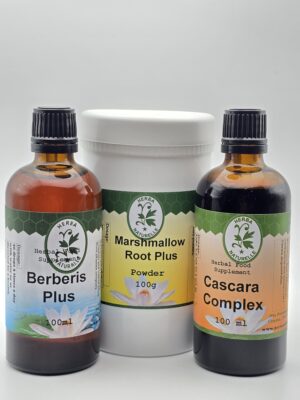 Digestive reset bundle
Original price was: £151.65.£144.95Current price is: £144.95.
-
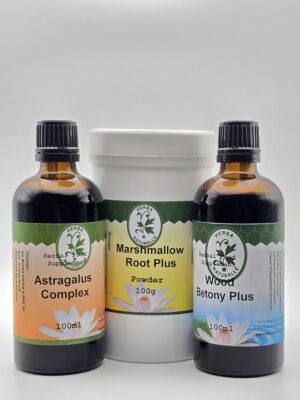 Smooth muscle and immune reset Bundle
Original price was: £177.60.£159.95Current price is: £159.95.
-
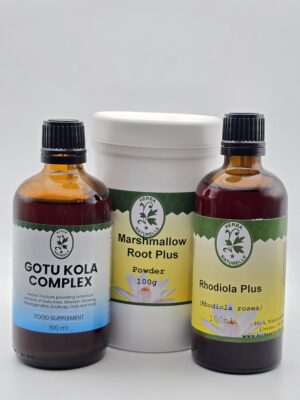 Nervous System Reset
Original price was: £163.68.£149.95Current price is: £149.95.
-
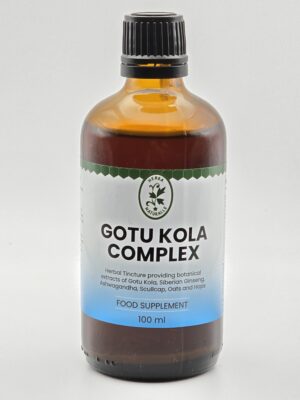 Gotu Kola Complex
£26.95


About the Author

Holistic Herbalist in UK · 30 Years of Excellence at Croydon, GB
Angela Jegnathan brings over 30 years of experience in integrated medicine and more than 25 years of full-time clinical herbal practice. Specializing in holistic herbal medicine, she focuses on restoring digestive health, calming the nervous system, and supporting the body's natural inflammatory response through evidence-based, patient-centered care.
Expertise: Holistic Herbs, Natural Medicines, Herbal Health
30 years of experience
