Herbal Nervines Explained: How Herbs Calm, Tone and Restore the Nervous System
The nervous system is the master regulator of the body. Every function, from heartbeat and digestion to mood and sleep, is coordinated by the brain, spinal cord and the vast web of peripheral nerves that reaches into every organ and tissue. When the nervous system is functioning well, the body has a remarkable capacity for self-regulation and recovery. When it is not, almost everything suffers.
In herbal medicine, herbs that act specifically on the nervous system are called nervines. This is one of the most important and most nuanced categories in clinical practice, because nervous system dysfunction underlies far more conditions than most people realise. Understanding the different types of nervines and how they work explains why herbal treatment for nervous system conditions is often transformative for patients who have not responded to other approaches.
The Three Categories of Nervines
Nervine herbs are divided into three functional categories based on their primary action on the nervous system.
Nervine relaxants reduce nervous system excitability. They calm overactivity, reduce anxiety, ease muscle tension and promote sleep. They are the herbs most people think of when they hear the word nervine.
Nervine tonics strengthen and restore the nervous system over time. They do not sedate or stimulate. They improve the capacity of the nervous system to function properly, building resilience and endurance. They are the nervines used for long-term nervous system recovery.
Nervine stimulants increase nervous system activity. They improve alertness, cognitive function and reaction time. They are the least commonly prescribed category because most patients presenting to a herbalist already have an overactive rather than an underactive nervous system.
Understanding these distinctions is essential because the wrong type of nervine can worsen the patient’s condition. A nervine relaxant for a patient with nervous exhaustion and low vitality may deepen the exhaustion rather than relieve it. A nervine tonic for a patient in acute anxiety may not act quickly enough to provide the relief they need. A qualified medical herbalist selects from all three categories based on the patient’s specific presentation.
Nervine Relaxants
Valerian is the strongest nervine relaxant in common clinical use. Its active compounds, valerenic acid and valepotriates, modulate GABA receptors in the brain, the same receptor system targeted by benzodiazepines. The crucial difference is that valerian’s modulation is gentle and non-addictive. It enhances the brain’s response to its own GABA rather than forcing receptor activation. The valerian root tincture is the preferred clinical form.
Passionflower is a nervine relaxant with a particular affinity for circular, racing thoughts, the kind of mental pattern that prevents sleep onset. It works through GABAergic mechanisms and also inhibits monoamine oxidase, which may contribute to its mood-stabilising effects. It is especially valuable for patients whose anxiety manifests as an inability to switch off.
Skullcap is a cooling nervine relaxant that is particularly suited to states of nervous heat, irritability, tension headaches, muscle twitching and the jittery feeling that comes from prolonged stress. Its flavonoids, particularly baicalin, have demonstrated anxiolytic and neuroprotective effects.
Hops are powerfully sedating and are used primarily for insomnia. The bitter acids in hops, humulone and lupulone, have a rapid onset of action and are often combined with valerian for a synergistic sleep-promoting effect. This combination is particularly relevant for patients seeking a herbal approach to sleep problems.
Lemon balm is a gentle nervine relaxant that is safe for all ages. It combines nervous system calming with digestive relaxation, making it ideal for patients whose anxiety affects their gut. The lemon balm tincture is frequently prescribed for children and for adults who need a mild, daily-use nervine.
Nervine Tonics
Oats (Avena sativa) in the milky seed stage is the quintessential nervine tonic. It provides B vitamins, minerals and avenanthramides that nourish and restore depleted nervous tissue. It does not sedate. It rebuilds. For patients recovering from prolonged stress, burnout, grief or nervous exhaustion, oat straw taken consistently over weeks and months produces a gradual but profound improvement in nervous system resilience.
St John’s wort is a nervine tonic with specific antidepressant activity. It modulates serotonin, dopamine and noradrenaline reuptake, similar to pharmaceutical antidepressants, while also providing anti-inflammatory and nerve-healing effects. The St John’s wort tincture has been shown in meta-analyses to be as effective as SSRIs for mild to moderate depression, with fewer side effects. It must be prescribed with care due to its interactions with certain medications, which is why professional guidance is essential.
Gotu kola is a cooling nervine tonic with specific benefits for cognitive function. Its triterpenoid saponins support nerve growth factor production and improve cerebral circulation. The Gotu Kola Complex is designed for patients who need long-term cognitive and nervous system support.
Vervain is a nervine tonic that also has hepatic actions. It is particularly suited to patients who are simultaneously stressed, tense and suffering from tension headaches with a liver component, the classic overworked, overwired presentation.
The Nervous System Reset
The Nervous System Reset product is formulated specifically around these nervine principles. It combines nervine relaxants for acute symptom relief with nervine tonics for long-term restoration. This dual approach reflects the clinical reality that most patients need both immediate relief and sustained recovery.
The formulation is designed to address the overactive nervous system pattern that is increasingly common in modern life: the inability to relax, the disrupted sleep, the background anxiety that never fully resolves, the irritability that comes from a nervous system that has been running in fight-or-flight mode for months or years.
Nervous System Recovery Is Not Just About Calming Down
One of the most important clinical insights about nervous system treatment is that recovery is not simply the absence of symptoms. A patient who is no longer anxious but remains exhausted has not recovered. The nervous system needs to be rebuilt, not just quieted.
This is why nervine tonics are prescribed for months rather than weeks, and why they are often combined with adaptogens that support the HPA axis alongside the nervous system directly. Ashwagandha is a particularly useful bridge between the adaptogenic and nervine categories because it calms the stress response while also nourishing nervous tissue.
Nutritional support matters too. The nervous system is metabolically demanding. B vitamins, magnesium and omega-3 fatty acids are all essential for nerve function and are often depleted by chronic stress. Barley Grass Plus provides concentrated nutritive support that complements nervine herbal treatment.
The Gut-Nervous System Connection
The enteric nervous system, the network of neurons in the gut wall, produces over 90 percent of the body’s serotonin and roughly 50 percent of its dopamine. This means that gut health directly affects nervous system function and that nervine treatment without attention to the gut is often incomplete.
Many of the best nervine herbs have dual action on the nervous system and the digestive system. Lemon balm calms both. Chamomile soothes both. Peppermint relaxes both. This is not coincidence. It reflects the deep evolutionary connection between the two systems.
A medical herbalist treating anxiety will routinely include gut-healing herbs alongside nervines. The Digestive Reset Bundle combined with the Nervous System Reset addresses both ends of this axis, and clinical experience consistently shows that the combination produces results that neither product achieves alone.
Working With a Practitioner
Nervous system conditions are among the most common presentations in herbal practice, and they are among the most rewarding to treat. The combination of rapid symptom relief from nervine relaxants, sustained restoration from nervine tonics and fundamental stress-response correction from adaptogens gives herbal medicine a depth of approach that single-target pharmaceutical treatment cannot match.
The key is accurate assessment. A thorough consultation identifies whether the dominant pattern is overactivity, exhaustion, depletion or a combination. It identifies which other body systems are involved. And it produces a treatment plan that addresses the whole picture.
If your nervous system has been under sustained pressure and you are looking for a way forward that addresses the root cause rather than suppressing the symptoms, book a consultation and explore the products page for the clinical formulations designed to support this recovery.
Our Trending Products & Bundles
-
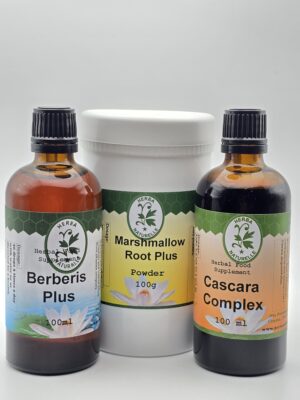 Digestive reset bundle
Original price was: £151.65.£144.95Current price is: £144.95.
-
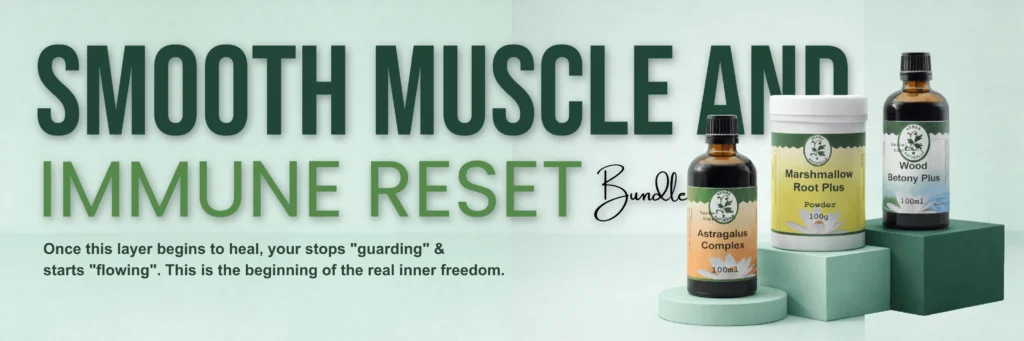
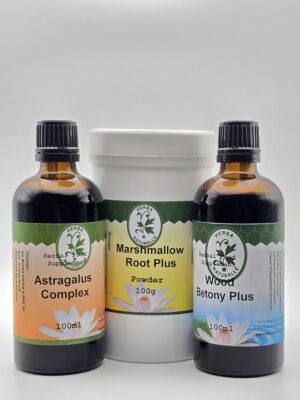 Smooth muscle and immune reset Bundle
Original price was: £177.60.£159.95Current price is: £159.95.
-
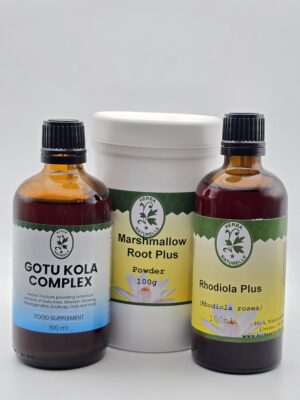 Nervous System Reset
Original price was: £163.68.£149.95Current price is: £149.95.
-
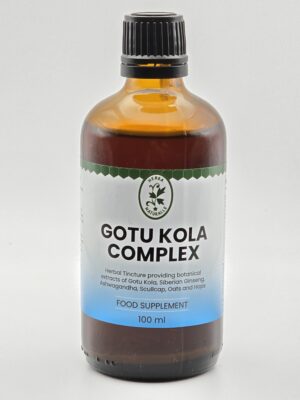 Gotu Kola Complex
£26.95

About the Author

Holistic Herbalist in UK · 30 Years of Excellence at Croydon, GB
Angela Jegnathan brings over 30 years of experience in integrated medicine and more than 25 years of full-time clinical herbal practice. Specializing in holistic herbal medicine, she focuses on restoring digestive health, calming the nervous system, and supporting the body's natural inflammatory response through evidence-based, patient-centered care.
Expertise: Holistic Herbs, Natural Medicines, Herbal Health
30 years of experience
