How Herbal Medicine Works: The Science Behind Plant-Based Healing
Most people who walk into a herbalist’s clinic ask the same question sooner or later. How does this actually work? It is a fair question. The shelves hold rows of dark bottles filled with plant extracts. The prescriptions read like a recipe from another century. And yet the results, when the formulation is right and the underlying cause is properly understood, are often remarkable.
The answer is not simple, and it is not meant to be. Herbal medicine works through a fundamentally different mechanism from pharmaceutical drugs. Understanding that difference is the first step toward understanding why herbal medicine is gaining ground across the UK and why millions of people are choosing plant-based approaches for chronic health problems.
Plants Produce Medicine for Their Own Survival
Every medicinal herb produces hundreds of active chemical compounds. These are not made for us. They are made for the plant’s own survival. Alkaloids repel insects. Tannins protect against fungal infection. Volatile oils attract pollinators or deter predators. Flavonoids shield leaf tissue from ultraviolet damage.
When we consume these compounds, they interact with our own biochemistry in ways that are remarkably compatible with human physiology. This is not coincidence. Humans and plants have co-evolved for hundreds of thousands of years. Our digestive enzymes, liver detoxification pathways and cellular receptors have developed alongside these molecules.
This is the foundation of phytochemistry, and it is why a medical herbalist in the UK approaches treatment so differently from a GP prescribing a single-molecule drug.
Whole Plant Medicine vs Single-Molecule Drugs
A pharmaceutical drug is typically one isolated compound. It does one thing powerfully. Aspirin blocks cyclooxygenase enzymes. A beta-blocker occupies a specific receptor. The action is targeted, predictable and often accompanied by side effects because nothing in the formula modulates or balances that single powerful action.
Herbal medicine works differently. A single herb like turmeric contains curcuminoids, volatile oils, polysaccharides, minerals and dozens of other compounds. The curcuminoids reduce inflammatory signalling. The volatile oils improve the absorption of those curcuminoids. The polysaccharides support gut-lining integrity. These compounds work together in what herbalists call synergy.
This is not a vague concept. Research published in the Journal of Ethnopharmacology has repeatedly demonstrated that whole plant extracts often outperform isolated compounds in clinical and laboratory settings. The reason is that the supporting compounds modulate absorption, reduce toxicity and extend the duration of action.
This principle is central to how a medical herbalist approaches chronic inflammation differently from standard medicine. Rather than suppressing one pathway, the aim is to modulate multiple pathways simultaneously while supporting the body’s own regulatory mechanisms.
The Four Core Mechanisms of Herbal Action
Herbal compounds interact with the body through four broad mechanisms. Every herb you have ever heard of works through one or more of these pathways.
Direct biochemical action. Some plant compounds bind to the same receptors as pharmaceutical drugs. Valerian root contains valerenic acid, which modulates GABA receptors in the brain. This is the same receptor system that benzodiazepines target, but valerian does so without creating dependence because its action is modulatory rather than forced.
Nutritive support. Many herbs provide concentrated minerals, vitamins and trace elements that directly address deficiency states. Nettle leaf is extraordinarily rich in iron, silica, calcium and chlorophyll. Alfalfa supplies a broad spectrum of minerals and vitamins. These herbs do not force a biochemical change. They provide what the body needs to restore its own function.
Stimulation of endogenous processes. Bitter herbs like gentian root and dandelion root do not digest your food for you. They stimulate your own digestive secretions. The bitter taste receptors on the tongue trigger a cascade of signals that increase stomach acid, bile flow and pancreatic enzyme output. The body does the work. The herb provides the stimulus.
Immune modulation. Herbs like echinacea and astragalus do not simply boost the immune system. They modulate it. This means they can upregulate an underactive response or calm an overactive one, depending on the context. This is why a trained herbalist can use immune herbs safely in autoimmune conditions where simply stimulating immunity would be dangerous.
Why Herbal Medicine Takes a Different Timescale
One consequence of this multi-pathway, modulatory approach is that herbal medicine often works on a different timescale from pharmaceutical drugs. A drug that blocks a receptor can produce noticeable effects within hours. An herbal formula that is restoring digestive function, calming nervous system overactivity and supporting liver detoxification may take weeks to produce its full effect.
This is not a weakness. It is a reflection of the fact that the body is being supported in genuine recovery rather than having its symptoms suppressed. When the nervous system is chronically overactive, it takes time to restore normal tone. When gut inflammation has been present for months or years, the mucosal lining needs time to rebuild.
A skilled medical herbalist explains this clearly at the first consultation. The treatment plan is designed in layers, often following a structured healing approach that addresses the root cause first and the symptoms second.
The Role of the Gut in Herbal Medicine
The digestive system plays a central role in how herbal medicine works, and this is often underestimated. Most herbal compounds are absorbed through the gut. Many require bacterial transformation in the large intestine before they become active. The health of your gut microbiome directly affects how well herbal medicine works for you.
This is why experienced herbalists almost always address digestive health as part of any treatment plan, regardless of the presenting complaint. If the gut is inflamed, permeable or microbiologically depleted, the patient will not absorb or activate herbal compounds efficiently.
Products like the Digestive Reset Bundle are formulated with this principle in mind. By restoring gut-lining integrity and supporting healthy microbial balance, they create the conditions in which herbal treatment can be most effective.
Similarly, Marshmallow Root Plus provides the mucilaginous compounds that coat and protect an irritated gut lining, allowing healing to begin from the surface inward. You can explore the full range of clinically formulated herbal products on the products page.
What the Evidence Actually Shows
The evidence base for herbal medicine is far stronger than most people realise. Thousands of clinical trials have been published on individual herbs and herbal formulations. St John’s wort has been shown in multiple meta-analyses to be as effective as SSRIs for mild to moderate depression. Milk thistle has robust evidence for liver protection. Hawthorn has been studied extensively for heart failure.
The challenge is not a lack of evidence. It is that herbal medicine does not fit neatly into the single-drug, single-disease model that dominates pharmaceutical research. When a herbalist prescribes a formula of five or six herbs tailored to a specific patient, there is no standardised trial that matches that exact combination. This does not mean the approach is unscientific. It means the science of individualised, multi-compound medicine is inherently more complex.
Organisations such as the National Institute of Medical Herbalists in the UK maintain rigorous training standards to ensure that practitioners can navigate this complexity safely and effectively.
Choosing a Practitioner Who Understands the Science
Not all herbal practitioners have the same level of training. A qualified medical herbalist in the UK holds a degree-level qualification that includes pharmacology, pathology, clinical diagnosis and extensive herbal materia medica. They understand drug-herb interactions, contraindications and the appropriate clinical context for each herb.
This matters because herbal medicine is real medicine. The same compounds that make it effective also mean it must be used with knowledge and care. Understanding what to expect from a consultation helps you get the most from your treatment and ensures your herbalist can build a plan that addresses your specific situation.
The Bigger Picture
Herbal medicine works because plants and humans share a deep biological history. The compounds that plants produce for their own protection happen to interact with our physiology in ways that promote healing, reduce inflammation, restore balance and support recovery.
This is not folk wisdom dressed up in modern language. It is an increasingly well-documented area of pharmacology that sits alongside, and sometimes challenges, conventional drug-based medicine. As the side effects of long-term medication become better understood and as the history of herbal medicine in Britain continues to inform modern clinical practice, the case for plant medicine grows stronger.
The remaining articles in this series will explore each mechanism in detail. From how bitter herbs activate digestion to how adaptogens modulate the stress response, from how nervine herbs restore the nervous system to how herbal antimicrobials fight infection without creating resistance, each piece will build on this foundation.
Understanding how herbal medicine works is the first step toward using it well. And using it well, with the guidance of a trained practitioner, is one of the most powerful decisions you can make for your long-term health.
Our Trending Products & Bundles
-
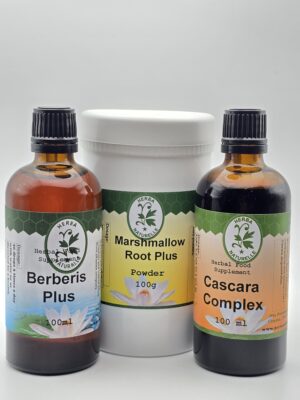 Digestive reset bundle
Original price was: £151.65.£144.95Current price is: £144.95.
-
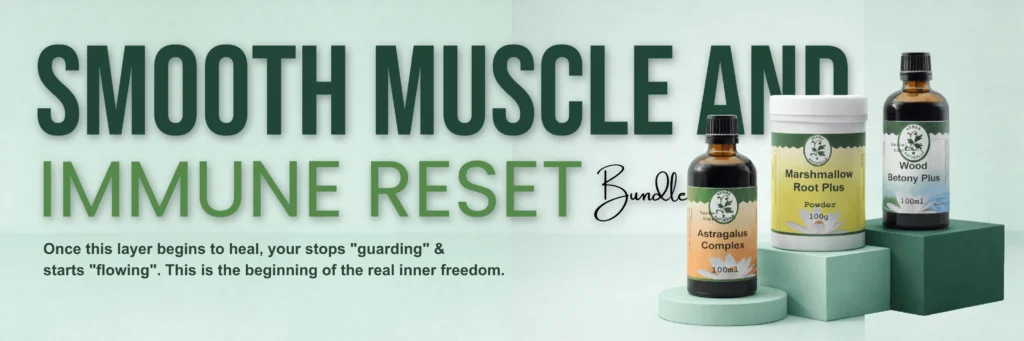
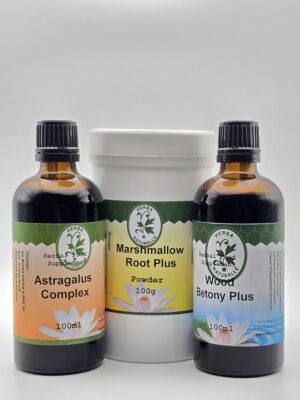 Smooth muscle and immune reset Bundle
Original price was: £177.60.£159.95Current price is: £159.95.
-
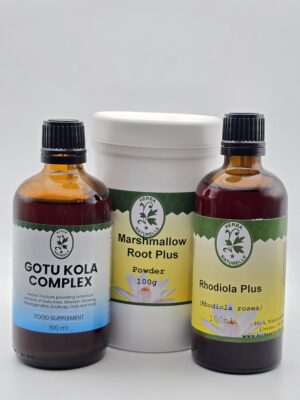 Nervous System Reset
Original price was: £163.68.£149.95Current price is: £149.95.
-
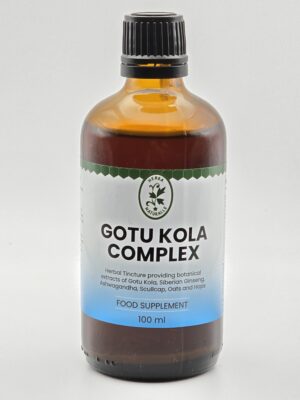 Gotu Kola Complex
£26.95

About the Author

Holistic Herbalist in UK · 30 Years of Excellence at Croydon, GB
Angela Jegnathan brings over 30 years of experience in integrated medicine and more than 25 years of full-time clinical herbal practice. Specializing in holistic herbal medicine, she focuses on restoring digestive health, calming the nervous system, and supporting the body's natural inflammatory response through evidence-based, patient-centered care.
Expertise: Holistic Herbs, Natural Medicines, Herbal Health
30 years of experience
