
The Side Effects of Long-Term Medication and What Herbal Medicine Offers Instead
By Anjela Jeganathan – Medical Herbalist | Herba Naturalle
Long-term pharmaceutical medication plays an essential and sometimes life-saving role in managing chronic disease. But it also carries costs costs that are often inadequately communicated to patients and that accumulate over years and decades of continuous use. Understanding these costs honestly, and knowing what alternatives exist, is part of informed healthcare.
The Reality of Polypharmacy
Polypharmacy the simultaneous use of multiple medications is increasingly common in the UK, particularly among adults over 65. The average person over 75 takes five or more prescription medications simultaneously. Each drug carries its own side effect profile, and the interaction effects between multiple drugs in the same body are only partially understood.
The consequences range from nutrient depletion (long-term proton pump inhibitors deplete B12, magnesium, and calcium; statins deplete CoQ10; metformin depletes B12) to direct organ effects (NSAIDs damage the gut lining; long-term corticosteroids affect bone density, blood sugar, and immune function; certain antidepressants affect sexual function and weight).
This is not a reason to stop medication without medical guidance. It is a reason to have honest conversations about whether each medication is still necessary, whether its benefit continues to outweigh its costs, and whether complementary approaches might reduce the therapeutic burden.
Where Herbal Medicine Fits
Herbal medicine is most clinically appropriate as a complementary or alternative approach in functional and chronic conditions where the risk-benefit calculation of long-term pharmaceutical use is least favourable.
For anxiety and insomnia, the long-term risks of benzodiazepines and sleeping medications (dependency, cognitive impairment, fall risk in older adults) create a genuine space for herbal alternatives. Our article on chamomile and valerian for anxiety and sleep explores two of the most evidence-backed herbal options in this space.
For digestive conditions including IBS, gastritis, and constipation, long-term use of proton pump inhibitors, antispasmodics, and laxatives carries risks that herbal approaches may avoid while addressing underlying gut function. Our posts on gut and digestive health, IBS and bowel conditions, and bloating and constipation relief reflect the depth of clinical need in this area.
For cardiovascular risk management, lifestyle and nutritional approaches including the dietary guidance explored in our article on cholesterol-lowering foods and heart-healthy eating can meaningfully reduce cardiovascular risk in the pre-disease phase, potentially reducing the necessity for long-term pharmaceutical intervention.
For fatty liver and metabolic health, our articles on fatty liver warning signs and visceral fat outline a condition where early lifestyle intervention may avoid the progression that leads to the need for pharmaceutical management.
A Note on Safety
Transitioning from pharmaceutical medication to herbal medicine requires clinical guidance. Some herbal preparations interact with pharmaceutical drugs St. John’s Wort is a well-known example, reducing the efficacy of many medications through its effect on liver enzymes. A qualified medical herbalist will assess your current medications and ensure that any herbal prescription is safe alongside them.
The goal is not to reject pharmaceutical medicine where it is genuinely necessary. The goal is to ensure that every medication you take continues to earn its place in your treatment and that the available alternatives, where they are appropriate, are not overlooked.
This article is for educational purposes only. Never alter or stop prescribed medication without consulting your GP.
Our Trending Products & Bundles
-
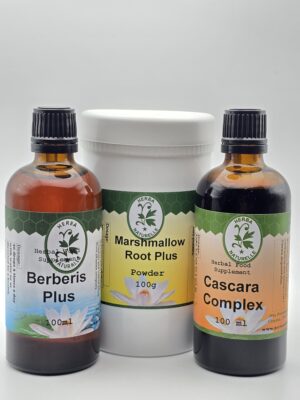 Digestive reset bundle
Original price was: £151.65.£144.95Current price is: £144.95.
Digestive reset bundle
Original price was: £151.65.£144.95Current price is: £144.95.
-
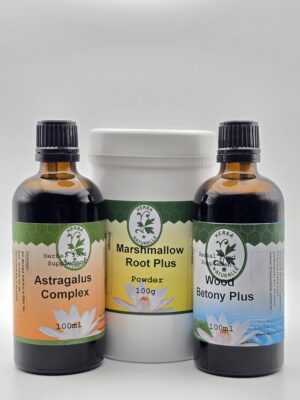 Smooth muscle and immune reset Bundle
Original price was: £177.60.£159.95Current price is: £159.95.
Smooth muscle and immune reset Bundle
Original price was: £177.60.£159.95Current price is: £159.95.
-
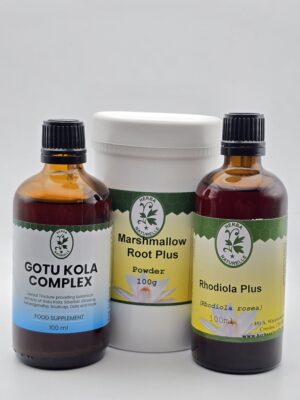 Nervous System Reset
Original price was: £163.68.£149.95Current price is: £149.95.
Nervous System Reset
Original price was: £163.68.£149.95Current price is: £149.95.
-
 Gotu Kola Complex
£26.95
Gotu Kola Complex
£26.95


About the Author

Holistic Herbalist in UK · 30 Years of Excellence at Croydon, GB
Angela Jegnathan brings over 30 years of experience in integrated medicine and more than 25 years of full-time clinical herbal practice. Specializing in holistic herbal medicine, she focuses on restoring digestive health, calming the nervous system, and supporting the body's natural inflammatory response through evidence-based, patient-centered care.
Expertise: Holistic Herbs, Natural Medicines, Herbal Health
30 years of experience
