Astragalus (Astragalus membranaceus): The Immune Tonic of Chinese Medicine
Astragalus — Astragalus membranaceus (also known as Huang Qi in Traditional Chinese Medicine) — is one of the most important tonic herbs in the Chinese medical tradition and increasingly one of the most researched herbs globally for immune modulation, anti-ageing, adrenal support, and recovery from chronic illness and depletion.
At Herba Naturalle, Astragalus is understood as a herb of deep tonic action — one that operates not at the surface of the immune system (stimulating an acute response) but at its regulatory root, improving the quality, efficiency, and adaptability of immune function over time. This is a different class of action from acute immune-stimulating herbs like Echinacea or Andrographis, and understanding this distinction is central to using Astragalus correctly.
Botanical Identity
Astragalus membranaceus is a deep-rooted perennial legume native to Northern China and Mongolia, growing in dry, well-drained soils. It produces pinnate leaves, small purple-yellow pea-like flowers, and distinctive oval seed pods. The thick, fibrous root — which may grow to 60cm or more — is the medicinal part. Harvested from plants at least four years old, the dried root resembles flat, yellowish tongue-depressor-shaped slices and is widely available in health food shops and specialist suppliers across the UK.
Active Compounds
The complex phytochemistry of Astragalus includes:
- Polysaccharides (Astragalans) — the primary immune-modulating compounds; stimulate macrophage and natural killer cell activity, increase interferon production, and directly modulate T-lymphocyte responses
- Saponins (Astragalosides I–IV) — particularly Astragaloside IV, which activates telomerase — the enzyme that maintains telomere length — providing the mechanism for the anti-ageing interest
- Flavonoids — calycosin, formononetin, and related compounds with antioxidant, anti-inflammatory, and mild oestrogenic activity
- Amino acids — including gamma-aminobutyric acid (GABA) contributing to mild nervine and anti-anxiety effects
Clinical Evidence and Applications
Immune modulation: Astragalus is one of the most rigorously studied herbal immune modulators. The polysaccharide fraction consistently increases natural killer cell activity, improves T-helper cell ratios, and enhances the production of interferon-gamma — all markers of improved immune competence. Unlike immune stimulants, which push the immune system into an activated state (appropriate in acute infection), Astragalus improves the regulatory capacity of the immune system — making it more intelligent and adaptive rather than simply more active.
Anti-ageing and telomere support: Astragaloside IV is the subject of significant research interest for its activation of telomerase — the enzyme responsible for maintaining telomere length. Shortened telomeres are associated with accelerated cellular ageing; telomerase activation potentially slows this process. Clinical research is at an early stage but conceptually this is one of the most compelling mechanistic stories in herbal medicine.
Cardiovascular support: Astragalus has documented cardioprotective effects — reducing oxidative stress in cardiac tissue, improving heart function in people with congestive heart failure, and reducing ischaemia-reperfusion injury. Complementary to the cardiac support provided by Arjuna (Terminalia arjuna).
Chronic fatigue and recovery: In states of post-viral fatigue, chronic illness recovery, and adrenal depletion, Astragalus provides a slow-building restorative action that strengthens the body’s fundamental vitality without stimulating it. This makes it particularly applicable in the post-COVID fatigue context.
Chemotherapy support: Chinese clinical trials demonstrate that Astragalus polysaccharides given alongside chemotherapy improve immune function, reduce side effects, and in some studies improve survival outcomes — though this is highly specialised territory requiring oncological supervision.
Astragalus in the Herba Naturalle Context
The clinical philosophy at Herba Naturalle emphasises treating root causes rather than suppressing symptoms. Astragalus is a quintessential root-cause herb — building the body’s fundamental resilience rather than addressing surface symptoms. The Schizandra Complex and Nervous System Reset Bundle provide complementary adaptogenic and restorative support.
Typical doses: 9–30g of dried root as decoction (the classic Chinese method — long simmering in water); 4–8ml of 1:3 tincture daily; 500–1500mg standardised extract. Astragalus needs sustained use — 3–6 months minimum for full tonic benefit.
Safety
Astragalus has an outstanding safety profile. Considerations include:
- Immunosuppressant medications: May counteract immunosuppressants (organ transplant, autoimmune disease) — professional guidance required
- Pregnancy: Best avoided in therapeutic doses
- Acute infection: Astragalus is a tonic herb — defer starting during acute infection
Explore the Herba Naturalle herb index for the full 224-herb materia medica. To discuss whether Astragalus is appropriate for your presentation, contact Herba Naturalle.
This article is for informational purposes only. Please consult a qualified medical herbalist before use.
Our Trending Products & Bundles
-
 Digestive reset bundle
Original price was: £151.65.£144.95Current price is: £144.95.
Digestive reset bundle
Original price was: £151.65.£144.95Current price is: £144.95.
-
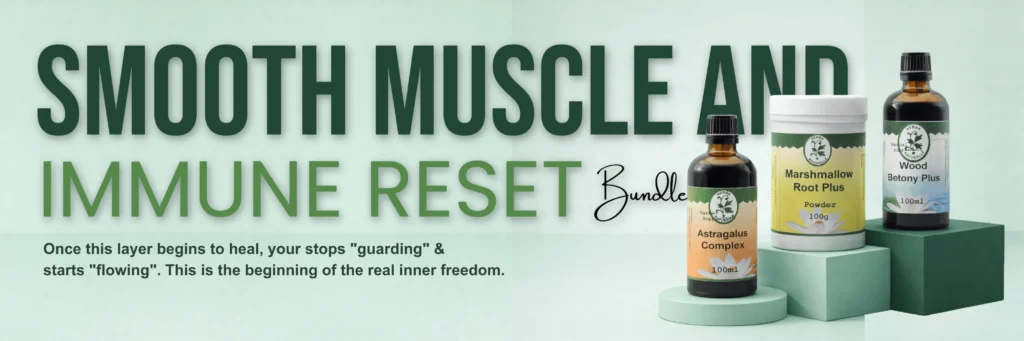
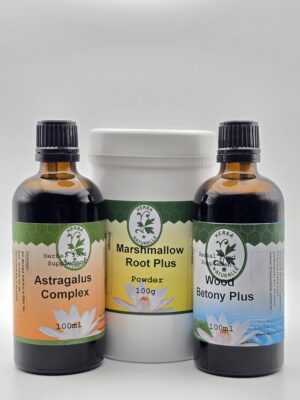 Smooth muscle and immune reset Bundle
Original price was: £177.60.£159.95Current price is: £159.95.
Smooth muscle and immune reset Bundle
Original price was: £177.60.£159.95Current price is: £159.95.
-
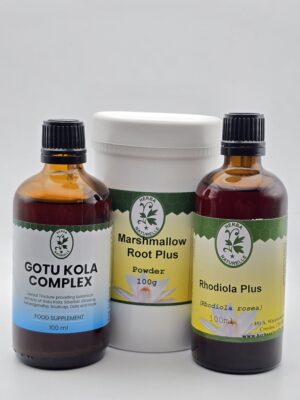 Nervous System Reset
Original price was: £163.68.£149.95Current price is: £149.95.
Nervous System Reset
Original price was: £163.68.£149.95Current price is: £149.95.
-
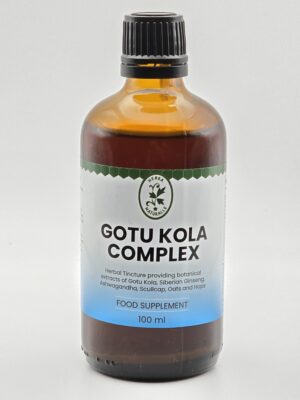 Gotu Kola Complex
£26.95
Gotu Kola Complex
£26.95