Hawthorn Berries (Crataegus laevigata): The Heart Herb
Hawthorn Berries (Crataegus laevigata): The Heart Herb
Hawthorn — Crataegus laevigata (and the closely related C. monogyna) — is Britain’s most important hedgerow tree and its most important cardiac herb. The small red berries that cover the hawthorn in autumn are one of the most thoroughly studied herbal medicines for cardiovascular conditions, with a clinical evidence base that positions Hawthorn Berry extract as a genuinely effective cardiac tonic — improving heart muscle efficiency, reducing blood pressure, and modulating cardiac arrhythmia through well-understood pharmacological mechanisms.
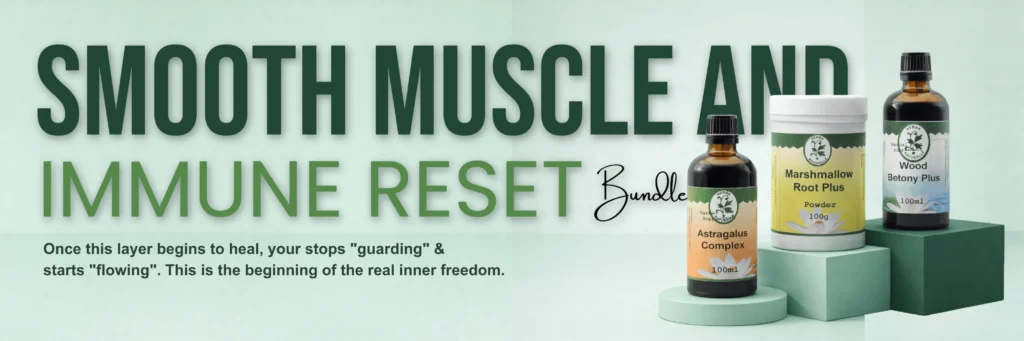
At Herba Naturalle, Hawthorn Berries are listed in the comprehensive herb index as the primary cardiac tonic herb — supporting the cardiovascular dimension of the smooth muscle lining framework at the heart of Anjela Jeganathan’s clinical approach. The Smooth Muscle and Immune Reset Bundle provides complementary vascular smooth muscle support.
Active Compounds
- Oligomeric proanthocyanidins (OPCs) — the primary active flavanoid compounds; improve coronary blood flow, reduce cardiac oxygen demand, inhibit ACE (reducing blood pressure), and provide powerful antioxidant protection to cardiac tissue
- Flavonoids — vitexin-rhamnoside, quercetin, hyperoside; with complementary cardiac-protective, antioxidant, and anti-inflammatory activity
- Triterpenic acids — ursolic and oleanolic acid; with mild cardiac-tonic and anti-inflammatory effects
Clinical Evidence
Hawthorn is one of the most evidence-backed cardiac herbs available:
- Heart failure (NYHA class I-II): The SPICE trial (a large European randomised controlled trial) demonstrated that standardised Hawthorn extract significantly improved exercise tolerance and reduced symptoms in chronic heart failure
- Blood pressure: Multiple trials confirm reductions in systolic and diastolic blood pressure
- Exercise tolerance: Documented improvements in maximal work capacity
- Anti-arrhythmic: Reduces the frequency of extrasystoles (ectopic heartbeats)
Clinical Applications
Chronic Heart Failure (Mild-Moderate)
The best-evidenced application — improving cardiac contractility (positive inotropic effect), reducing peripheral resistance, and improving the heart’s efficiency without the side effects of pharmaceutical inotropes. Always used as an adjunct to, not replacement for, conventional cardiac care.
Hypertension
ACE inhibition and direct vasodilatory effects reduce blood pressure. The Nervous System Reset Bundle addresses the nervous system component of hypertension.
Cardiac Arrhythmia (Functional)
Hawthorn has antiarrhythmic properties — stabilising cardiac electrical conduction and reducing functional palpitations.
Angina Pectoris
Improved coronary blood flow and reduced cardiac oxygen demand — relevant in angina management as adjunct support.
Age-Related Cardiovascular Prevention
Long-term Hawthorn use is appropriate as a preventive cardiac tonic in people with cardiovascular risk factors.
How to Use
- Standardised extract (1.8% vitexin rhamnoside or 20% OPCs): 160–900mg daily in divided doses — the evidence-backed form
- Tincture (1:3): 3–5ml three times daily
- Berries (dried): 4–6g daily as decoction
- Allow 4–8 weeks for full cardiovascular benefit
Safety
- Generally very well tolerated
- Cardiac medication: Professional guidance essential — may interact with cardiac glycosides, beta-blockers, and vasodilators
- Hypotension: May worsen low blood pressure
- Pregnancy: Best avoided
Contact Herba Naturalle for cardiovascular herbal support. Browse all products and the full herb index.
This article is for informational purposes only. Always consult your cardiologist or GP before using Hawthorn alongside cardiac medication.
Hawthorn — Crataegus laevigata (and the closely related C. monogyna) — is Britain’s most important hedgerow tree and its most important cardiac herb. The small red berries that cover the hawthorn in autumn are one of the most thoroughly studied herbal medicines for cardiovascular conditions, with a clinical evidence base that positions Hawthorn Berry extract as a genuinely effective cardiac tonic — improving heart muscle efficiency, reducing blood pressure, and modulating cardiac arrhythmia through well-understood pharmacological mechanisms.
At Herba Naturalle, Hawthorn Berries are listed in the comprehensive herb index as the primary cardiac tonic herb — supporting the cardiovascular dimension of the smooth muscle lining framework at the heart of Anjela Jeganathan’s clinical approach. The Smooth Muscle and Immune Reset Bundle provides complementary vascular smooth muscle support.
Active Compounds
- Oligomeric proanthocyanidins (OPCs) — the primary active flavanoid compounds; improve coronary blood flow, reduce cardiac oxygen demand, inhibit ACE (reducing blood pressure), and provide powerful antioxidant protection to cardiac tissue
- Flavonoids — vitexin-rhamnoside, quercetin, hyperoside; with complementary cardiac-protective, antioxidant, and anti-inflammatory activity
- Triterpenic acids — ursolic and oleanolic acid; with mild cardiac-tonic and anti-inflammatory effects
Clinical Evidence
Hawthorn is one of the most evidence-backed cardiac herbs available:
- Heart failure (NYHA class I-II): The SPICE trial (a large European randomised controlled trial) demonstrated that standardised Hawthorn extract significantly improved exercise tolerance and reduced symptoms in chronic heart failure
- Blood pressure: Multiple trials confirm reductions in systolic and diastolic blood pressure
- Exercise tolerance: Documented improvements in maximal work capacity
- Anti-arrhythmic: Reduces the frequency of extrasystoles (ectopic heartbeats)
Clinical Applications
Chronic Heart Failure (Mild-Moderate)
The best-evidenced application — improving cardiac contractility (positive inotropic effect), reducing peripheral resistance, and improving the heart’s efficiency without the side effects of pharmaceutical inotropes. Always used as an adjunct to, not replacement for, conventional cardiac care.
Hypertension
ACE inhibition and direct vasodilatory effects reduce blood pressure. The Nervous System Reset Bundle addresses the nervous system component of hypertension.
Cardiac Arrhythmia (Functional)
Hawthorn has antiarrhythmic properties — stabilising cardiac electrical conduction and reducing functional palpitations.
Angina Pectoris
Improved coronary blood flow and reduced cardiac oxygen demand — relevant in angina management as adjunct support.
Age-Related Cardiovascular Prevention
Long-term Hawthorn use is appropriate as a preventive cardiac tonic in people with cardiovascular risk factors.
How to Use
- Standardised extract (1.8% vitexin rhamnoside or 20% OPCs): 160–900mg daily in divided doses — the evidence-backed form
- Tincture (1:3): 3–5ml three times daily
- Berries (dried): 4–6g daily as decoction
- Allow 4–8 weeks for full cardiovascular benefit
Safety
- Generally very well tolerated
- Cardiac medication: Professional guidance essential — may interact with cardiac glycosides, beta-blockers, and vasodilators
- Hypotension: May worsen low blood pressure
- Pregnancy: Best avoided
Contact Herba Naturalle for cardiovascular herbal support. Browse all products and the full herb index.
This article is for informational purposes only. Always consult your cardiologist or GP before using Hawthorn alongside cardiac medication.
Our Trending Products & Bundles
-
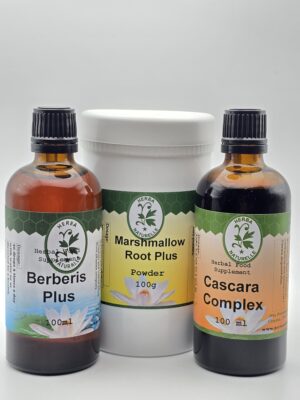 Digestive reset bundle
Original price was: £151.65.£144.95Current price is: £144.95.
Digestive reset bundle
Original price was: £151.65.£144.95Current price is: £144.95.
-
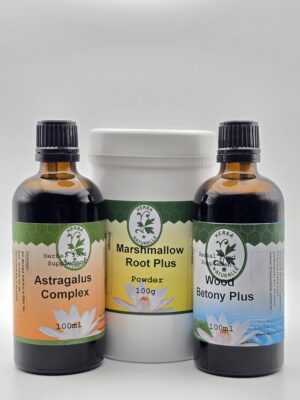 Smooth muscle and immune reset Bundle
Original price was: £177.60.£159.95Current price is: £159.95.
Smooth muscle and immune reset Bundle
Original price was: £177.60.£159.95Current price is: £159.95.
-
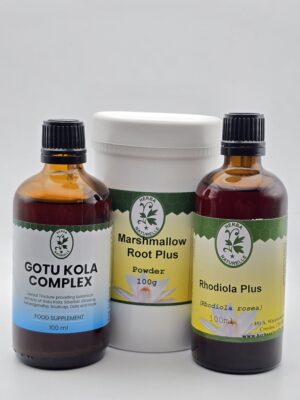 Nervous System Reset
Original price was: £163.68.£149.95Current price is: £149.95.
Nervous System Reset
Original price was: £163.68.£149.95Current price is: £149.95.
-
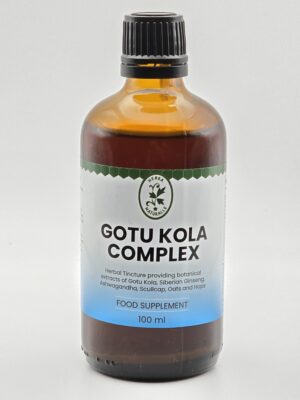 Gotu Kola Complex
£26.95
Gotu Kola Complex
£26.95