
How Herbal Diuretics Work: Supporting Kidney Function Beyond Water Pills
The kidneys filter approximately 180 litres of blood every day. They regulate fluid balance, control blood pressure, maintain electrolyte levels, produce hormones and eliminate metabolic waste products through urine. They are, by any measure, among the most vital organs in the body.
When people think of kidney support, they often think of diuretics, drugs or herbs that increase urine output. But herbal diuretics work in a fundamentally different way from pharmaceutical water pills, and understanding this difference is essential for appreciating why herbal kidney support is so much more than making you urinate more.
Pharmaceutical Diuretics: A Forced Mechanism
Pharmaceutical diuretics work by blocking specific ion channels in the kidney tubules. Loop diuretics like furosemide block the sodium-potassium-chloride co-transporter in the loop of Henle. Thiazide diuretics block the sodium-chloride co-transporter in the distal tubule. Potassium-sparing diuretics block sodium channels in the collecting duct.
Each of these mechanisms forces the kidney to retain less sodium, and water follows sodium out of the body. The result is effective and rapid, which is essential in emergency situations like acute heart failure or pulmonary oedema.
The problem, as with long-term medication use of many kinds, emerges over time. Forced diuresis depletes electrolytes, particularly potassium, magnesium and sodium, and can lead to dehydration, muscle cramps, cardiac arrhythmias and kidney damage. The kidneys are being forced to operate outside their normal regulatory parameters.
Herbal Diuretics: Support Rather Than Force
Herbal diuretics operate through a different philosophy. Rather than overriding the kidney’s regulatory mechanisms, they support and enhance them. The mechanisms vary by herb, and most herbal diuretics combine diuretic action with additional properties that support overall kidney health.
Couch grass is one of the most important renal herbs in Western practice. Its saponins and polysaccharides produce a gentle diuretic effect while its mucilaginous content soothes and protects the urinary tract lining. This combination of diuresis and demulcence makes it invaluable for conditions involving both fluid retention and urinary tract inflammation. The Couch Grass Complex is clinically formulated around this herb’s kidney-supportive properties.
Cornsilk is a gentle, potassium-sparing diuretic. Unlike pharmaceutical diuretics that deplete potassium, cornsilk is naturally rich in potassium, so the mineral balance remains stable as urine output increases. Its additional anti-inflammatory and demulcent properties make it particularly suitable for irritated urinary tracts. Cornsilk Plus provides this herb in a targeted renal support formulation.
Dandelion leaf is nature’s potassium-sparing diuretic. It is so rich in potassium that it replaces the potassium lost through its own diuretic action. Research has confirmed its diuretic effect is comparable to that of furosemide in some studies, but without the electrolyte depletion.
Nettle leaf is a nutritive diuretic that provides iron, calcium, magnesium and silica alongside its diuretic effect. For patients whose fluid retention is associated with nutritional depletion, a common pattern in chronic fatigue, nettle addresses both problems simultaneously.
Celery seed combines diuretic action with anti-inflammatory and uric acid-clearing effects. This makes it particularly valuable for joint conditions where uric acid or metabolic waste accumulation contributes to pain and inflammation.
Buchu is a South African herb with antimicrobial and anti-inflammatory diuretic properties. It is particularly indicated for urinary tract infections and chronic bladder irritation, where its volatile oils provide both antimicrobial action and urinary antisepsis.
Juniper berries are a stimulating diuretic with warming and antimicrobial properties. They increase glomerular filtration rate, the rate at which the kidneys filter blood, while also providing volatile oils that act as urinary antiseptics.
The Kidney’s Role in Detoxification
The kidneys are the body’s second major detoxification organ after the liver. Water-soluble waste products from Phase II liver detoxification are eliminated primarily through the kidneys. If kidney function is impaired or urine output is insufficient, these waste products accumulate in the blood and tissues.
This is why a herbalist treating a patient for detoxification support will always include kidney-supportive herbs alongside liver herbs. The liver processes the toxins. The kidneys eliminate them. If either organ is unsupported, the detoxification process is incomplete.
The three-layer healing approach recognises this interconnection. Digestive, hepatic and renal function are assessed and supported as an integrated system, not as isolated organs.
Water Retention: More Than a Kidney Problem
Fluid retention, oedema, is one of the most common reasons patients seek herbal diuretics. But fluid retention is rarely a simple kidney problem. It can be caused by poor lymphatic drainage, hormonal fluctuations, chronic inflammation, heart insufficiency, venous weakness, protein deficiency or medication side effects.
A medical herbalist investigates the cause of fluid retention before prescribing diuretics. If the underlying cause is lymphatic stagnation, lymphatic herbs like cleavers are more appropriate than renal diuretics. If the cause is hormonal, as is common in perimenopause, hormonal-balancing herbs may resolve the fluid retention without any diuretic at all.
If venous insufficiency is contributing, circulatory herbs like horse chestnut and gotu kola improve venous return and reduce the hydrostatic pressure that drives fluid into tissues.
This diagnostic precision is one of the most important differences between self-prescribing a diuretic herb and working with a trained practitioner. The right herb depends entirely on why the fluid is being retained.
Urinary Tract Health
Beyond diuresis, the herbal approach to the urinary system includes anti-inflammatory, antimicrobial, demulcent and tonic actions that maintain the health of the entire urinary tract.
Urinary tract infections are one of the most common presentations in herbal practice, particularly in women. Herbal treatment combines antimicrobial herbs like buchu and uva ursi with demulcent herbs like marshmallow root to soothe the inflamed urinary lining and diuretic herbs to flush bacteria from the tract.
Cranberry prevents bacterial adhesion to the bladder wall through its proanthocyanidin content, and is most effective as a preventive measure in patients with recurrent UTIs.
Horsetail is rich in silica and has both diuretic and connective tissue-strengthening properties. It is used to support the structural integrity of the urinary tract and kidneys.
Blood Pressure and the Kidneys
The kidneys play a central role in blood pressure regulation through the renin-angiotensin-aldosterone system. Several herbal diuretics have blood-pressure-lowering effects that extend beyond simple fluid reduction.
Hawthorn is the primary cardiovascular herb in Western practice. While not a diuretic itself, it improves cardiac output and vascular tone, supporting the kidneys indirectly by ensuring adequate renal blood flow. For patients whose blood pressure management involves both cardiac and renal components, hawthorn combined with gentle herbal diuretics provides comprehensive support.
Yarrow combines mild diuretic action with peripheral vasodilation, making it useful for patients with both fluid retention and poor peripheral circulation.
The Practitioner’s Approach
A consultation with a medical herbalist who is experienced in kidney and urinary conditions will assess renal function through questioning about urine volume, colour, frequency, pain and any history of kidney stones or infections. The tongue, skin colour and fluid distribution all provide additional diagnostic information.
The treatment plan addresses not just the symptom of fluid retention but the underlying cause, the health of the kidney tissue itself and the integrated function of the kidneys within the body’s eliminative system.
The Couch Grass Complex and Cornsilk Plus are available on the products page alongside the full range of clinically formulated herbal products.
Our Trending Products & Bundles
-
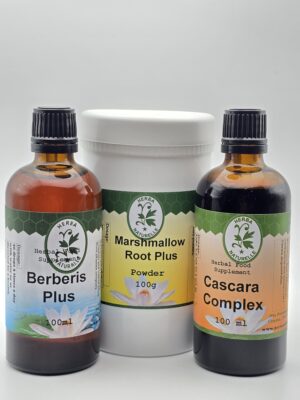 Digestive reset bundle
Original price was: £151.65.£144.95Current price is: £144.95.
-
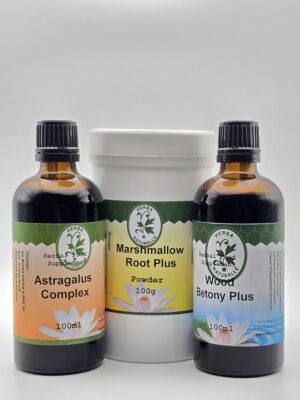 Smooth muscle and immune reset Bundle
Original price was: £177.60.£159.95Current price is: £159.95.
-
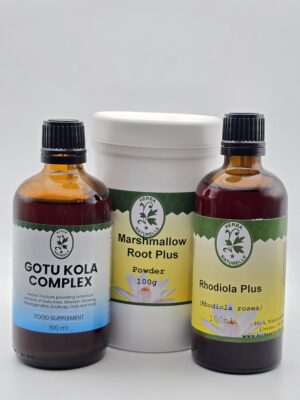 Nervous System Reset
Original price was: £163.68.£149.95Current price is: £149.95.
-
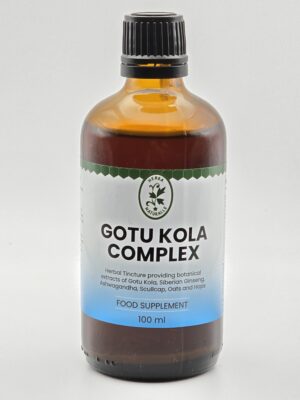 Gotu Kola Complex
£26.95


About the Author

Holistic Herbalist in UK · 30 Years of Excellence at Croydon, GB
Angela Jegnathan brings over 30 years of experience in integrated medicine and more than 25 years of full-time clinical herbal practice. Specializing in holistic herbal medicine, she focuses on restoring digestive health, calming the nervous system, and supporting the body's natural inflammatory response through evidence-based, patient-centered care.
Expertise: Holistic Herbs, Natural Medicines, Herbal Health
30 years of experience
