Herbal Antimicrobials: How Plant Medicine Fights Infection Without Resistance
Antibiotic resistance is one of the most serious public health threats of the twenty-first century. The World Health Organisation describes it as a global crisis. Bacteria that were once easily treated with standard antibiotics are becoming resistant at a rate that outpaces the development of new drugs. By some estimates, drug-resistant infections could cause more deaths than cancer by 2050.
Against this background, herbal antimicrobials represent not just an alternative but a fundamentally different approach to managing infection. Plants have been fighting microbial pathogens for over 400 million years. The antimicrobial strategies they have evolved are sophisticated, multi-targeted and remarkably resistant to the development of microbial resistance.
Understanding why is essential for anyone interested in the future of infection management through herbal medicine.
Why Bacteria Resist Antibiotics but Not Herbs
A pharmaceutical antibiotic typically works through a single mechanism. Penicillin inhibits cell wall synthesis. Tetracycline blocks protein synthesis. Ciprofloxacin inhibits DNA gyrase. Each drug has one target. A single genetic mutation in the bacterium can alter that target and confer resistance.
A herbal antimicrobial works differently. A single antimicrobial herb contains dozens to hundreds of active compounds, each affecting different microbial targets. Thyme contains thymol, carvacrol, linalool, p-cymene and dozens of other antimicrobial compounds. These compounds disrupt cell membranes, inhibit enzymes, interfere with quorum sensing (bacterial communication), block biofilm formation and modulate the host immune response, all simultaneously.
For a bacterium to develop resistance to thyme, it would need to develop resistance to every one of these mechanisms at once. The probability of this occurring through random mutation is astronomically low. This is why, after 400 million years of plant-microbe warfare, bacteria have not developed widespread resistance to plant antimicrobials.
This principle is central to how a medical herbalist approaches infection. Rather than targeting a single microbial vulnerability, herbal treatment overwhelms the pathogen’s adaptive capacity through multi-targeted action.
The Major Herbal Antimicrobials
Berberine is one of the most extensively researched herbal antimicrobial compounds. Found in barberry, goldenseal, Oregon grape and coptis, berberine has demonstrated activity against bacteria, fungi, parasites and viruses. Its mechanisms include disruption of cell membrane integrity, inhibition of FtsZ (a protein essential for bacterial cell division) and interference with bacterial biofilm formation. The Berberis Plus product provides berberine in a clinically formulated blend designed for gut antimicrobial action.
Garlic contains allicin, a sulphur compound with broad-spectrum antimicrobial activity. Allicin reacts with thiol groups in microbial enzymes, disrupting their function across multiple metabolic pathways simultaneously. Importantly, garlic also has biofilm-disrupting activity. Bacterial biofilms, the protective slime layers that communities of bacteria form on surfaces, are one of the main reasons chronic infections resist antibiotic treatment.
Oregano contains carvacrol and thymol, phenolic compounds that disrupt bacterial cell membranes. Research has shown oregano oil to be effective against methicillin-resistant Staphylococcus aureus (MRSA), one of the most concerning antibiotic-resistant organisms. Thyme shares these active compounds and has similar antimicrobial breadth.
Echinacea works through a different mechanism entirely. Rather than killing pathogens directly, echinacea primarily enhances the host immune response. It increases phagocytosis, the engulfing and destruction of pathogens by immune cells, and stimulates the production of interferons and other immune signalling molecules. The echinacea tincture is one of the most widely prescribed immune-supportive herbs in clinical practice.
Myrrh is a powerful antimicrobial resin with particular affinity for the mouth, throat and digestive tract. Its terpenoid compounds have demonstrated activity against a wide range of oral and gastrointestinal pathogens.
Sage contains rosmarinic acid, carnosol and volatile oils with established antimicrobial activity. It is particularly valued for respiratory and throat infections.
Elderflower and elderberry have demonstrated antiviral activity, particularly against influenza viruses. The Elderflower Complex combines this antiviral action with anti-inflammatory and decongestant herbs for comprehensive upper respiratory support.
Herbal Antimicrobials and the Microbiome
One of the most clinically significant differences between pharmaceutical antibiotics and herbal antimicrobials is their effect on the gut microbiome. Broad-spectrum antibiotics are indiscriminate, they destroy beneficial bacteria alongside pathogenic ones, often producing lasting disruption to the gut ecosystem. The resulting dysbiosis can take months to recover from and frequently leads to secondary infections, particularly Clostridioides difficile.
Herbal antimicrobials tend to be more selective. Research on berberine, for example, has shown that while it inhibits pathogenic bacteria, it actually promotes the growth of beneficial lactobacilli and bifidobacteria. This selective action preserves the ecological balance of the microbiome while addressing the infection.
This selectivity is not coincidence. Plants co-evolved with the same soil and gut microorganisms that populate the human microbiome. The antimicrobial compounds they produce target the pathogens that threaten both the plant and its mammalian hosts, while leaving commensal organisms relatively unaffected.
For patients with IBS or other conditions involving gut dysbiosis, this selective antimicrobial action is clinically invaluable. It allows the herbalist to address the pathogenic component of the dysbiosis without further damaging the already depleted beneficial flora.
Biofilm Disruption
Biofilms are communities of bacteria encased in a self-produced matrix of polysaccharides, proteins and DNA. Within a biofilm, bacteria are up to 1,000 times more resistant to antibiotics than their free-floating counterparts. Chronic infections, sinusitis, urinary tract infections, chronic wound infections, small intestinal bacterial overgrowth, often involve biofilm formation.
Several herbal compounds have demonstrated biofilm-disrupting activity. Allicin from garlic disrupts the matrix structure. Berberine from barberry interferes with quorum sensing, the chemical communication system bacteria use to coordinate biofilm formation. Cranberry proanthocyanidins prevent bacterial adhesion to tissue surfaces, which is the first step in biofilm formation and the basis for cranberry’s well-established role in urinary tract health.
The Immune System as Partner
A fundamental principle of herbal antimicrobial treatment is that the herbs work with the immune system rather than replacing it. Pharmaceutical antibiotics kill bacteria directly. The immune system’s role becomes secondary. In herbal treatment, many of the most important antimicrobial herbs, echinacea, astragalus, elderberry, work primarily by enhancing the immune system’s own capacity to fight infection.
This partnership approach means that herbal antimicrobial treatment simultaneously addresses the infection and strengthens the patient’s resistance to future infections. Immune support is built into the treatment rather than being an afterthought.
The Gokshura and Ashwagandha Plus product, while primarily known for its adaptogenic properties, also provides immune-modulatory support that complements antimicrobial treatment.
Clinical Integration
A medical herbalist uses antimicrobial herbs as part of a broader treatment strategy. The infection is addressed alongside the factors that allowed it to occur, immune deficiency, gut dysbiosis, mucosal damage, chronic stress or nutritional depletion.
The consultation process identifies not just what the infection is but why it occurred and why the body has not been able to resolve it. The treatment plan then addresses every level: antimicrobial herbs to fight the pathogen, immune herbs to support the body’s defences, gut-healing herbs to repair any mucosal damage, and tonics to rebuild vitality.
This comprehensive approach is why herbal antimicrobial treatment often resolves chronic or recurrent infections that have not responded to repeated courses of antibiotics. It is not that the herbs are more potent than antibiotics, often they are not. It is that the treatment addresses the whole picture rather than just the pathogen.
Browse the full range of antimicrobial and immune-supportive products on the products page and consider booking a consultation if recurrent infections have been a persistent problem.
Our Trending Products & Bundles
-
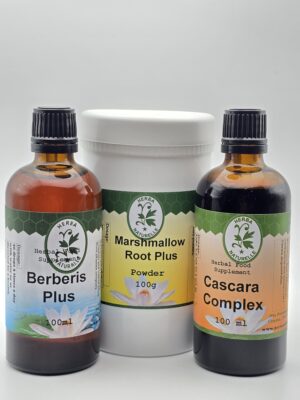 Digestive reset bundle
Original price was: £151.65.£144.95Current price is: £144.95.
-
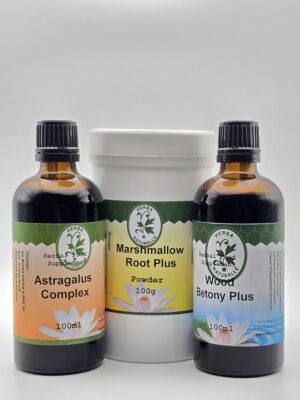 Smooth muscle and immune reset Bundle
Original price was: £177.60.£159.95Current price is: £159.95.
-
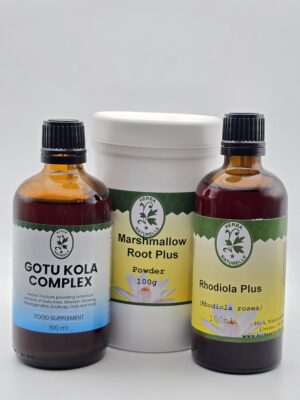 Nervous System Reset
Original price was: £163.68.£149.95Current price is: £149.95.
-
 Gotu Kola Complex
£26.95

About the Author

Holistic Herbalist in UK · 30 Years of Excellence at Croydon, GB
Angela Jegnathan brings over 30 years of experience in integrated medicine and more than 25 years of full-time clinical herbal practice. Specializing in holistic herbal medicine, she focuses on restoring digestive health, calming the nervous system, and supporting the body's natural inflammatory response through evidence-based, patient-centered care.
Expertise: Holistic Herbs, Natural Medicines, Herbal Health
30 years of experience
