Horse Chestnut (Aesculus hippocastanum): The Vein Herb
Horse Chestnut — Aesculus hippocastanum — is a majestic tree familiar to every British park and avenue, whose conker seeds have delighted generations of children. The medicinal value, however, lies in the seed extract — specifically the triterpene saponin aescin (also written escin), which has accumulated one of the strongest clinical evidence bases of any herbal medicine for venous conditions. Horse Chestnut Seed Extract (HCSE) is approved pharmaceutical-grade medicine in Germany for chronic venous insufficiency — a distinction few herbal preparations have achieved.
At Herba Naturalle, Horse Chestnut is listed in the comprehensive herb index as a primary venous tonic — addressing the smooth muscle lining of the vascular wall that underlies venous insufficiency, complementing Butcher’s Broom and Buckwheat Herb for comprehensive vascular support. The Smooth Muscle and Immune Reset Bundle addresses the deeper smooth muscle inflammatory dimension.
Active Compounds
- Aescin (escin) — triterpene saponins; the primary active compounds; inhibit enzymes (hyaluronidase and elastase) that degrade the venous wall matrix; reduce capillary permeability and fluid leakage into surrounding tissue; stimulate prostaglandin synthesis that increases venous tone; anti-oedematous through multiple mechanisms
- Flavonoids — quercetin, kaempferol, and isoquercitrin; antioxidant and capillary-strengthening
- Coumarins — aesculin and fraxin; with mild anticoagulant and anti-inflammatory activity
Clinical Evidence
The evidence base for Horse Chestnut is exceptional for a herbal medicine:
- A Cochrane systematic review of 17 randomised trials found Horse Chestnut Seed Extract significantly superior to placebo for chronic venous insufficiency — reducing leg oedema, pain, itching, and fatigue
- Head-to-head trials show HCSE comparable to compression stockings for leg oedema reduction
- The therapeutic dose of 50mg aescin twice daily is well characterised
Clinical Applications
Chronic Venous Insufficiency (CVI)
The best-evidenced application. Aescin directly reduces the leg oedema, heaviness, aching, cramping, and itching of CVI through its multiple venous-wall and capillary-protective mechanisms.
Varicose Veins
By strengthening the venous wall matrix and reducing capillary permeability, Horse Chestnut reduces the progressive distension of varicose veins and their associated symptoms.
Haemorrhoids
The same venous-toning and anti-oedematous mechanisms are applicable to haemorrhoidal venous distension — both oral preparations and topical horse chestnut creams are used.
Post-Surgical and Post-Injury Oedema
Aescin reduces oedema formation after trauma and surgery through its anti-exudative (reducing fluid leakage) mechanisms.
Ankle and Leg Oedema (Occupational)
For people whose work requires prolonged standing or sitting — leading to evening ankle swelling — Horse Chestnut provides significant and evidence-backed oedema reduction.
How to Use
- Standardised extract (50mg aescin twice daily): The most evidence-backed form — this is the dose used in clinical trials
- Tincture (1:5): 1–3ml three times daily — lower aescin dose than standardised extract
- Topical cream (2% aescin): Applied to varicose veins, haemorrhoids, and bruised areas
Safety
- Generally very well tolerated in standardised extract form
- Raw horse chestnut: Toxic — only use standardised, properly prepared extracts from which toxic glycoside aesculin has been removed
- Anticoagulants: The coumarin content and aescin’s antiplatelet activity — professional guidance alongside warfarin
- Kidney or liver disease: Professional guidance
- Pregnancy: Avoid
- Latex allergy: Theoretical cross-reactivity
Contact Herba Naturalle for venous and circulatory herbal support. Browse all products and the full herb index.
This article is for informational purposes only. Please consult a qualified medical herbalist before use.
Our Trending Products & Bundles
-
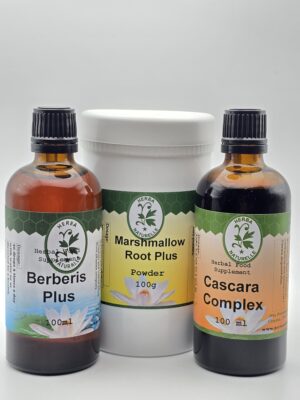 Digestive reset bundle
Original price was: £151.65.£144.95Current price is: £144.95.
Digestive reset bundle
Original price was: £151.65.£144.95Current price is: £144.95.
-
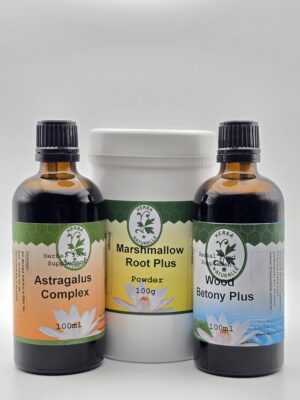 Smooth muscle and immune reset Bundle
Original price was: £177.60.£159.95Current price is: £159.95.
Smooth muscle and immune reset Bundle
Original price was: £177.60.£159.95Current price is: £159.95.
-
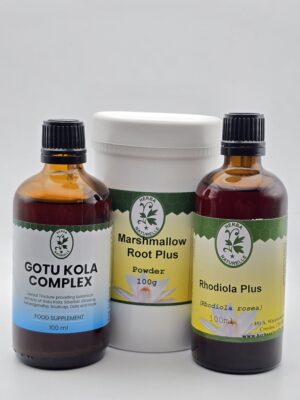 Nervous System Reset
Original price was: £163.68.£149.95Current price is: £149.95.
Nervous System Reset
Original price was: £163.68.£149.95Current price is: £149.95.
-
 Gotu Kola Complex
£26.95
Gotu Kola Complex
£26.95