How Bitter Herbs Activate Digestion: The Science of Digestive Bitters
Bitterness is a taste that modern humans go out of their way to avoid. Food manufacturers remove it. Breeding programmes eliminate it from vegetables. Children learn to reject it instinctively. And yet bitterness is the single most therapeutically important taste in herbal medicine.
The reason lies in the biology of the bitter taste reflex, a cascade of digestive events that begins the instant bitter compounds touch the tongue and continues through the entire length of the gastrointestinal tract. Understanding this reflex, how it works and why it matters, is fundamental to understanding how herbal medicine supports digestive health.
The Bitter Reflex: A Cascade of Events
When bitter compounds contact the taste receptors on the back of the tongue, a family of receptors called T2R receptors, the body initiates a coordinated digestive response. This is not a single action. It is a cascade.
First, saliva production increases. The salivary glands produce more amylase-rich saliva, which begins the chemical digestion of carbohydrates in the mouth. This is why taking a bitter tincture before a meal can reduce the bloating that comes from poorly digested starches.
Second, the stomach responds. Gastric acid secretion increases. Pepsinogen production rises. The muscular contractions of the stomach wall intensify, improving the mechanical mixing of food with digestive juices. For patients who suffer from the low stomach acid that is increasingly common with age, stress and long-term medication use, this stimulation of gastric function is clinically invaluable.
Third, the liver and gallbladder respond. Bile production increases and the gallbladder contracts to release stored bile into the duodenum. Bile is essential for the digestion and absorption of dietary fats and fat-soluble vitamins. Inadequate bile flow is one of the most common and most under-diagnosed causes of digestive discomfort, bloating after fatty meals and poor nutrient absorption.
Fourth, the pancreas responds. Pancreatic enzyme output increases, providing the lipases, proteases and amylases needed for the complete chemical breakdown of food in the small intestine.
Fifth, the intestinal wall itself responds. Motility increases throughout the gastrointestinal tract, moving food along at the proper pace and preventing the stagnation that leads to fermentation, gas and discomfort.
All of this from a bitter taste on the tongue. The entire sequence is mediated through the vagus nerve and local enteric reflexes, connecting the gut-brain axis directly to digestive function.
The Key Bitter Herbs
Gentian root is the standard against which all other bitter herbs are measured. It contains some of the most intensely bitter compounds found in any plant, including amarogentin and gentiopicroside. Gentian stimulates the entire digestive cascade powerfully and reliably. It is the first herb most herbalists reach for when digestive secretions are insufficient.
Dandelion root is a gentler bitter with a particular affinity for the liver and gallbladder. Its bitter sesquiterpene lactones stimulate bile production and flow, making it especially valuable for patients with sluggish fat digestion. The dandelion root tincture is one of the most commonly prescribed preparations in herbal practice.
Artichoke leaf is a bitter herb with specific hepatoprotective and choleretic (bile-stimulating) properties. Cynarin, its primary active compound, has been extensively studied for its ability to increase bile production and improve fat metabolism. It is particularly useful for patients with elevated cholesterol, as bile is the body’s primary route for cholesterol elimination.
Wormwood is an intensely bitter and antimicrobial herb. Its bitterness stimulates digestion powerfully, while its volatile oils, particularly thujone and absinthin, have demonstrated activity against intestinal parasites and pathogenic bacteria. It is a herb that requires professional prescribing due to its potency.
Barberry contains berberine, an alkaloid with both bitter and antimicrobial properties. Berberine stimulates bile secretion while also addressing gut infections and dysbiosis. The Berberis Plus product combines berberine-rich barberry with complementary herbs for comprehensive gut support.
Modern Bitter Deficiency
One of the most significant nutritional shifts in modern human history is the near-complete removal of bitterness from the diet. Traditional diets included bitter leaves, bitter roots, fermented bitter foods and bitter aperitifs. The modern diet is overwhelmingly sweet, salty and umami.
This matters because the bitter reflex is a use-it-or-lose-it system. The T2R receptors on the tongue, and the downstream reflexes they trigger, become less responsive when they are not regularly stimulated. The result is a population with chronically insufficient digestive secretions, low stomach acid, inadequate bile flow, poor enzyme production, leading to the epidemic of bloating, reflux, food sensitivities and IBS that characterises modern digestive health.
Paradoxically, acid reflux is more often caused by insufficient stomach acid than by too much. When acid production is low, food sits in the stomach too long, ferments and produces gas that forces the lower oesophageal sphincter open. Antacid medications worsen the problem by further reducing acid production. Bitter herbs address the root cause by restoring normal acid secretion.
This is precisely the clinical insight that guides a medical herbalist’s approach to digestive complaints. Rather than suppressing symptoms, the aim is to restore the body’s own digestive capacity.
How to Use Bitters Clinically
The timing and form of bitter herbs matters enormously. The bitter reflex is initiated by taste. This means the herbs must be tasted, not swallowed in a capsule that bypasses the tongue entirely.
A tincture taken 10 to 15 minutes before a meal is the traditional and most effective way to use bitters. The alcohol base of the tincture enhances the extraction of bitter compounds and the liquid form ensures maximum contact with the taste receptors. This is one of the clearest examples of why the form of a herbal preparation directly affects its clinical efficacy.
The dose is typically small, a few millilitres is sufficient. The bitter reflex does not require large amounts of herb. It requires adequate stimulation of the taste receptors. Once the reflex is triggered, the downstream cascade proceeds on its own.
For patients who cannot tolerate alcohol, a bitter tea can substitute. Chamomile is mildly bitter and makes a pleasant pre-meal tea. A stronger bitter tea combining gentian, centaury and peppermint is more potent but less palatable.
Bitters Beyond Digestion
Recent research has revealed that T2R bitter receptors are not confined to the tongue. They have been found in the gut, the lungs, the heart and the immune system. This discovery has profound implications for understanding the systemic effects of bitter herbs.
Bitter receptors in the airways, when stimulated, produce bronchodilation and increased ciliary clearance. This provides a pharmacological basis for the traditional use of bitter herbs in respiratory conditions. Products like Lungwort Plus include herbs that combine bitter and expectorant actions for comprehensive respiratory support.
Bitter receptors in the gut regulate the release of incretin hormones, which modulate insulin secretion and blood sugar regulation. This connects bitter herbs to blood sugar management and explains the traditional use of bitter herbs in metabolic conditions.
Bitter receptors on immune cells modulate inflammatory responses. Stimulation of these receptors has been shown to reduce the production of pro-inflammatory cytokines, providing yet another mechanism by which bitter herbs support chronic inflammation management.
The Digestive Reset Bundle
The Digestive Reset Bundle incorporates bitter herb principles into its formulation. By combining bitter digestive stimulants with gut-healing mucilaginous herbs and anti-inflammatory compounds, it provides a comprehensive approach to restoring digestive function.
This is the clinical philosophy in action: rather than targeting one symptom, the formulation addresses the underlying digestive insufficiency that produces the symptoms. When the body’s own digestive capacity is restored, symptoms resolve as a consequence of improved function rather than through suppression.
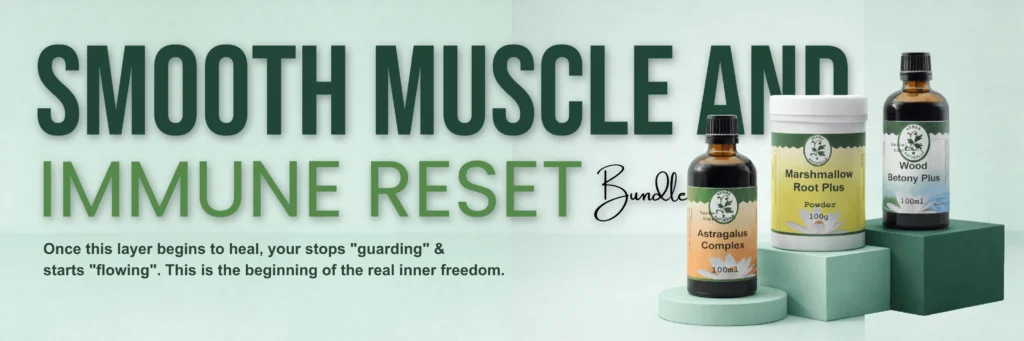
For patients whose digestive problems involve smooth muscle dysfunction, cramping, spasm, irregular motility, the Smooth Muscle and Immune Reset Bundle provides targeted support for the muscular component of digestive function.
Integrating Bitters Into a Treatment Plan
A qualified medical herbalist uses bitter herbs as part of a broader treatment strategy. Bitters alone, while powerful, may not be sufficient for complex digestive conditions. They are most effective when combined with herbs that address the specific tissue state, carminatives for gas and bloating, demulcents for gut-lining inflammation, antimicrobials for dysbiosis and nervines for stress-driven digestive dysfunction.
The consultation process begins with understanding the full picture. Booking a herbal consultation allows a trained practitioner to assess your digestive function, identify which aspects of the digestive cascade are underperforming and prescribe a formula that addresses your specific pattern. Browse the full range of digestive and supportive products on the products page.
Our Trending Products & Bundles
-
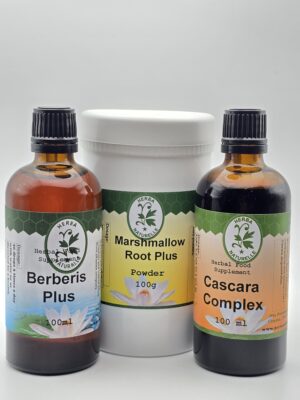 Digestive reset bundle
Original price was: £151.65.£144.95Current price is: £144.95.
-
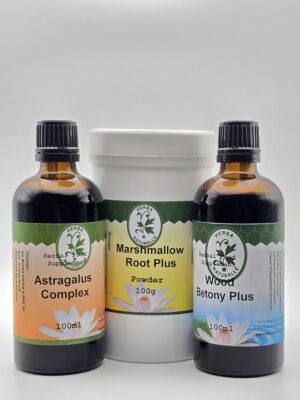 Smooth muscle and immune reset Bundle
Original price was: £177.60.£159.95Current price is: £159.95.
-
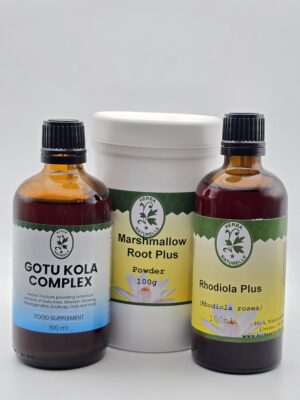 Nervous System Reset
Original price was: £163.68.£149.95Current price is: £149.95.
-
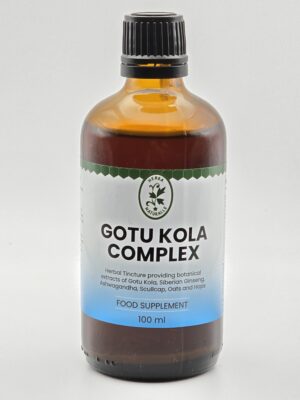 Gotu Kola Complex
£26.95

About the Author

Holistic Herbalist in UK · 30 Years of Excellence at Croydon, GB
Angela Jegnathan brings over 30 years of experience in integrated medicine and more than 25 years of full-time clinical herbal practice. Specializing in holistic herbal medicine, she focuses on restoring digestive health, calming the nervous system, and supporting the body's natural inflammatory response through evidence-based, patient-centered care.
Expertise: Holistic Herbs, Natural Medicines, Herbal Health
30 years of experience
