
When to Use Herbal Medicine: A Practical Guide to Safe & Effective Natural Healing
Herbal medicine has been used for thousands of years to support the body’s natural healing processes, and for good reason. When used correctly, it can be a powerful tool for restoring balance, managing chronic conditions, and maintaining long-term wellbeing.
But knowing when and how to use it is just as important as the herbs themselves.
This guide will walk you through the right situations for herbal medicine, when conventional medical care should take priority, and how to use both safely and effectively.
The First Question to Ask: Is This an Emergency?
Before reaching for any form of treatment, herbal or otherwise, the most important thing to assess is whether your situation is an emergency or a non-emergency.
This single distinction determines whether you need urgent medical care or whether herbal medicine may be a safe and appropriate choice.
When to Seek Conventional Medical Care Immediately
Certain symptoms are medical emergencies. In these situations, conventional medicine is life-saving and herbal remedies are not a substitute.
Seek emergency care immediately if you experience:
- Chest pain or pressure (possible heart attack)
- Sudden weakness, numbness, or slurred speech (possible stroke)
- Severe bleeding that won’t stop
- Difficulty breathing or gasping
- Major trauma or injury
- High fever with confusion or seizures
- Severe allergic reactions, swelling, rash, or breathing difficulty
- Severe abdominal pain
- Suicidal thoughts or acute mental health crisis
- Active cancer treatment or acute cancer-related complications
If any of the above apply, call emergency services or go to your nearest A&E immediately. Herbal medicine has no role in acute emergencies.
When Herbal Medicine Can Help: Non-Emergency & Chronic Condition
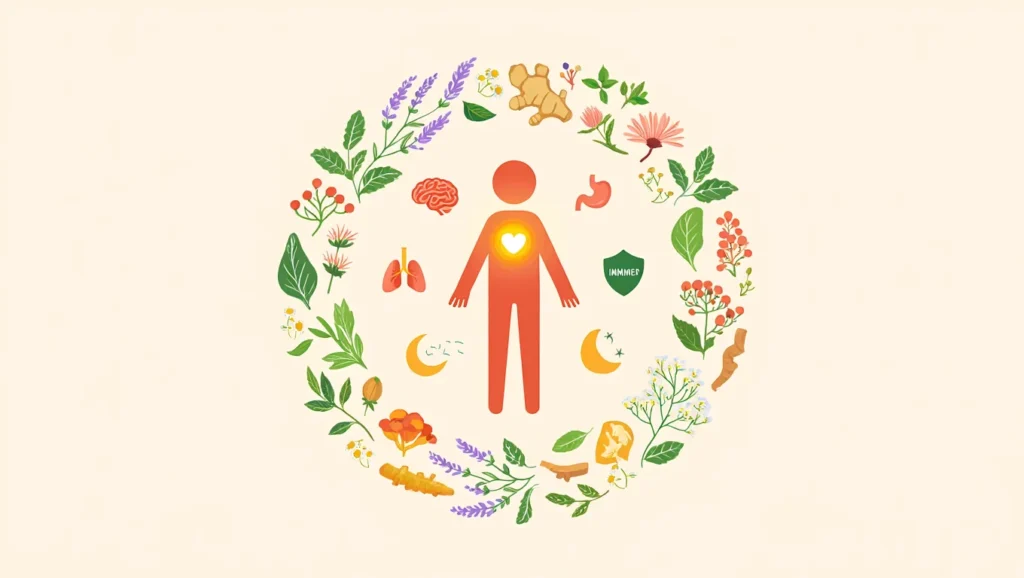
For conditions that are chronic, mild, or non-life-threatening, herbal medicine can play a meaningful supportive role, helping the body restore its natural balance rather than simply suppressing symptoms.
Chronic Health Conditions
Herbal medicine is widely used to complement the management of long-term conditions, including:
- High blood pressure – certain herbs support cardiovascular tone and circulation
- Type 2 diabetes – herbal support for blood sugar regulation
- Thyroid imbalances – adaptogenic herbs may support hormonal balance
- Arthritis – anti-inflammatory herbs can ease joint discomfort
Digestive Health
The digestive system responds particularly well to plant-based remedies:
- Bloating and indigestion
- Irritable Bowel Syndrome (IBS)
- Sluggish digestion or gut inflammation
Hormonal Imbalances
Herbal medicine has a long history of supporting hormonal health, especially in women:
- Polycystic Ovary Syndrome (PCOS)
- Premenstrual Syndrome (PMS)
- Menopausal symptoms such as hot flushes, mood changes, and sleep disturbances
Stress, Anxiety, and Sleep
Adaptogenic and nervine herbs are commonly used for:
- Mild to moderate anxiety
- Low mood and emotional fatigue
- Insomnia and disrupted sleep patterns
Immune System & Energy
- Chronic fatigue and low immunity
- Recurrent infections
- Detox and liver support
Skin Conditions
Many chronic skin issues respond well to both internal and topical herbal support:
- Eczema and psoriasis
- Acne and oily skin
- Inflammatory skin conditions
Preventive Health & Long-Term Wellness
One of the strongest applications of herbal medicine is prevention, supporting energy, reducing stress, and building resilience before illness develops.

Can You Use Herbal Medicine Alongside Conventional Treatment?
Yes, and in many cases, this integrated approach produces the best outcomes.
Herbal medicine can be used safely alongside conventional care in several situations:
Recovery and rehabilitation – after surgery, illness, or hospitalisation, herbal support may aid recovery and reduce fatigue (always with medical approval).
Chronic disease management – herbs can support quality of life, reduce side effects of medication, and address secondary symptoms.
Preventive health – when you’re not yet unwell but want to strengthen your body and reduce long-term risk.
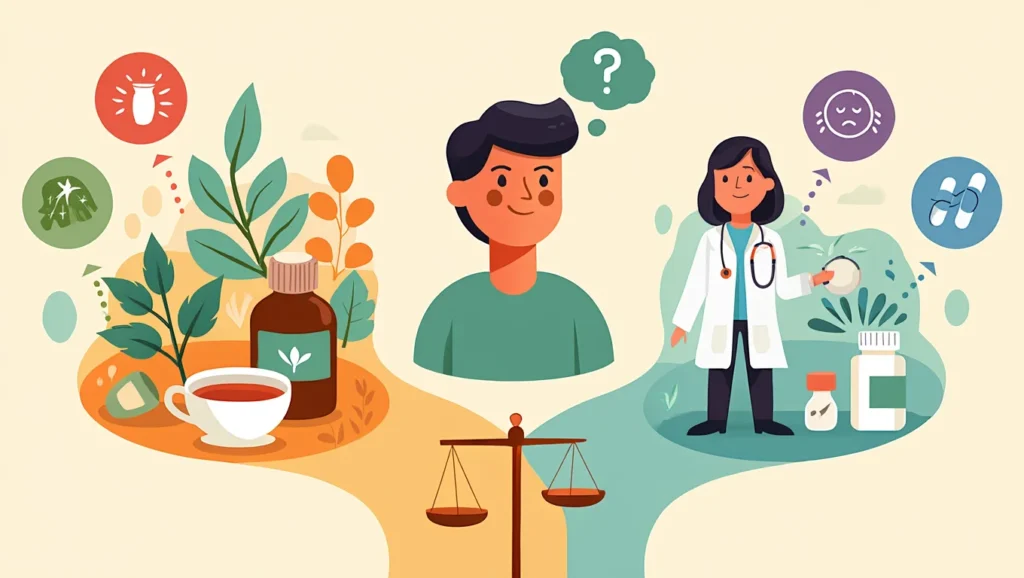
The goal is not to choose between herbal and conventional medicine, it is to use each appropriately, at the right time, for the right purpose.
How to Use Herbal Medicine Safely
Herbal medicine is powerful. That means it must be used responsibly.
1. Always Consult a Qualified Herbalist
Self-diagnosing and self-medicating with herbs carries real risks. A qualified medical herbalist will assess your full health history, current medications, and individual needs before recommending any treatment.
2. Know the Drug Interactions
Herbs can interact with prescription medications, over-the-counter drugs, and nutritional supplements. Some interactions are mild; others can be clinically significant. Always inform both your herbalist and your GP about everything you are taking.
3. Source High-Quality Herbs
The quality of herbal products varies enormously. Choose high-quality, authentic herbs from reputable suppliers, ideally recommended by your practitioner.
4. Take Extra Care in These Situations
Herbal medicine requires additional caution for:
- Pregnant or breastfeeding women
- Children and elderly individuals
- People with multiple or complex chronic conditions
If you are in any of these groups, professional guidance is not optional, it is essential.
Frequently Asked Questions
Can I replace my prescription medication with herbal medicine? No. Never stop or reduce prescribed medication without consulting your doctor. Herbal medicine works best as a complement to conventional care, not a replacement.
How quickly does herbal medicine work? Unlike pharmaceutical drugs, herbal medicine typically works more gradually. Most people notice improvements over weeks to months, not days, particularly for chronic conditions.
Is herbal medicine regulated? In the UK, medical herbalists are trained to degree level and can be registered with the National Institute of Medical Herbalists (NIMH) or the College of Practitioners of Phytotherapy (CPP). Always check your practitioner’s credentials.
What should I do if I have a reaction to an herbal remedy? Stop taking the remedy immediately and seek medical advice. Always report adverse reactions to both your herbalist and your GP.
The Bottom Line
Herbal medicine is not a cure-all, but when used appropriately, it is a powerful, evidence-informed approach to supporting long-term health and wellbeing.
The wisest approach is an integrated one: use conventional medicine for emergencies and acute conditions, and explore herbal medicine for chronic, preventive, and supportive care, always under qualified guidance.
Your health is your responsibility. But you don’t have to navigate it alone.
Looking for personalised herbal support?
Get in touch with Anjela Jeganathan, Holistic Medical Herbalist, for a professional consultation tailored to your individual health needs.
📞 +44 20 8664 8720 🌐 www.medicalherbalist.org
Our Trending Products & Bundles
-
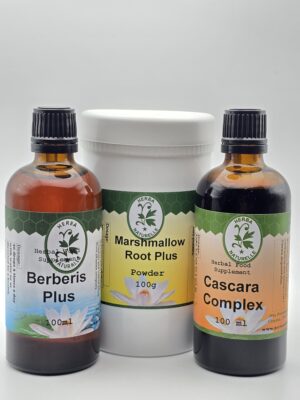 Digestive reset bundle
Original price was: £151.65.£144.95Current price is: £144.95.
Digestive reset bundle
Original price was: £151.65.£144.95Current price is: £144.95.
-
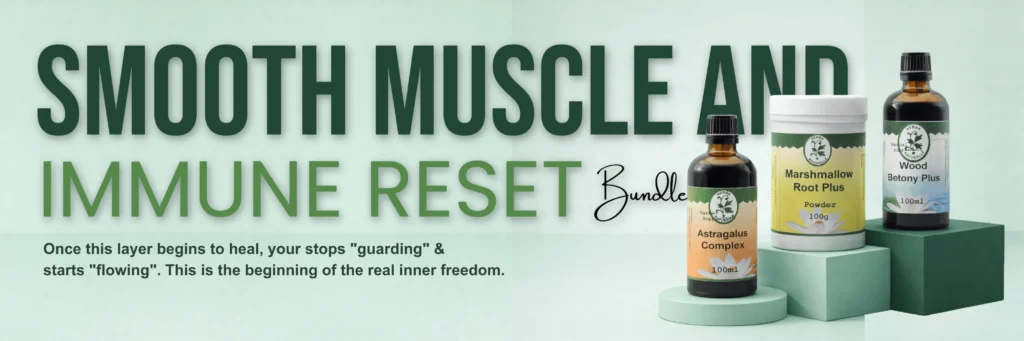
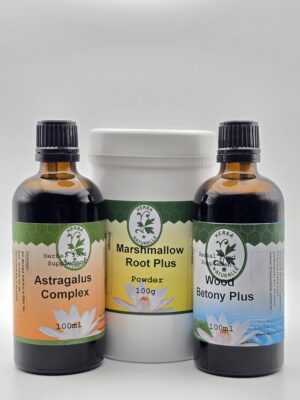 Smooth muscle and immune reset Bundle
Original price was: £177.60.£159.95Current price is: £159.95.
Smooth muscle and immune reset Bundle
Original price was: £177.60.£159.95Current price is: £159.95.
-
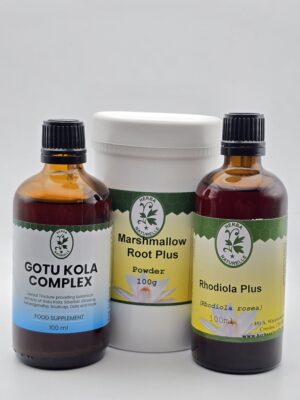 Nervous System Reset
Original price was: £163.68.£149.95Current price is: £149.95.
Nervous System Reset
Original price was: £163.68.£149.95Current price is: £149.95.
-
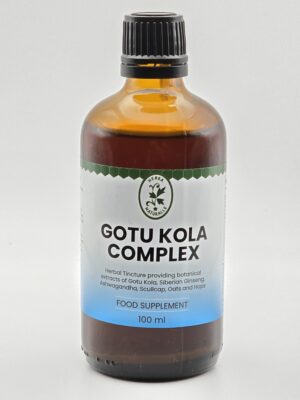 Gotu Kola Complex
£26.95
Gotu Kola Complex
£26.95