
Herbal Support for Nerve Pain and Neuropathy
Nerve pain has a distinct character that people struggle to describe to anyone who hasn’t felt it themselves. It’s rarely a simple ache. It’s burning, tingling, sometimes electric shock-like sensations, often in the feet or hands, and it tends to worsen at night in a way that disrupts sleep on top of everything else. Herbal support for nerve pain is a search that usually comes from genuine desperation, particularly for people who’ve already tried standard pain relief without much success, since nerve pain frequently responds poorly to the medications that work well for other types of pain.
Topical Support Alongside Internal Herbs
Applying a herbal oil, such as St. John’s Wort infused oil, directly over the affected area can provide meaningful localised relief alongside whatever’s being taken internally, since topical application delivers a concentrated, direct effect right where the discomfort is felt most, complementing rather than replacing the broader systemic approach.
Why Nerve Pain Behaves So Differently
Ordinary pain usually signals tissue damage that’s actively occurring. Nerve pain, or neuropathic pain, comes from the nerves themselves misfiring or being damaged, which is why it often persists long after any original injury has healed, and why standard anti-inflammatory painkillers frequently do little for it. Common causes include diabetes, certain medications, vitamin deficiencies, physical injury, and chronic conditions affecting nerve health directly.
If diabetes is a factor in your case, our guide to herbal medicine for type 2 diabetes UK is worth reading alongside this piece, since diabetic neuropathy is one of the most common causes of nerve pain, and managing blood sugar levels well is a genuinely important part of preventing it from worsening further.
The Role of a Balanced Diet in Nerve Repair
Nerve tissue, like any other tissue, depends on adequate nutrition to repair and maintain itself, and B vitamins, magnesium and omega-3 fatty acids all play a genuine, well documented role in nerve health specifically. A diet consistently lacking in these nutrients can make nerve pain harder to resolve regardless of which herbs are used, which is part of why a herbalist will typically ask about diet in some detail rather than treating nerve pain purely as a herb-matching exercise.
Herbs With a Traditional Reputation for Nerve Pain
St. John’s Wort, better known for mood support, also has a traditional history of use for nerve pain and nerve injury specifically, sometimes applied topically as an infused oil directly over the affected area in addition to being taken internally. Jamaican Dogwood Bark is a more potent herb with a specific traditional reputation for genuinely severe nerve related pain, and it’s generally used under proper guidance rather than self-prescribed given its strength.
Calming the Inflammatory Component
Even though nerve pain isn’t purely inflammatory in nature, inflammation often plays a role in nerve irritation and sensitivity, which is why anti-inflammatory herbs frequently form part of a broader plan. Turmeric has well documented anti-inflammatory properties relevant here, and Devil’s Claw Root, more commonly associated with joint pain, has a broader traditional reputation for pain relief that extends to nerve related discomfort as well. White Willow Bark works along similar lines, offering a naturally occurring pain relieving action with a long traditional history behind it. Our broader piece on understanding inflammation as a root driver of chronic disease is worth reading for the fuller mechanism behind why this matters.
Supporting the Nervous System Directly
Wood Betony has a long standing reputation in British herbal medicine as a nervine, traditionally used to support and calm an irritated nervous system more generally, which complements herbs aimed more specifically at pain itself. Ashwagandha Root, an adaptogen with a broad traditional reputation, is sometimes included where chronic pain has led to significant stress and sleep disruption, addressing the wider toll that living with persistent nerve pain takes on the body.
Why the Cause Matters More Than the Symptom Here
This deserves particular emphasis with nerve pain specifically. Vitamin B12 deficiency is a well recognised, correctable cause of nerve pain and tingling, particularly in older adults, vegetarians, vegans, and people taking certain long term medications, and it’s a genuinely easy thing to test for and correct if identified. Thyroid dysfunction is another underlying cause worth ruling out, covered in our guide to herbal medicine for thyroid health UK. Treating the symptom without identifying and addressing an underlying, correctable cause like these risks managing discomfort indefinitely rather than actually resolving what’s driving it.
Lifestyle Factors That Genuinely Influence Nerve Health
Blood sugar control matters enormously for anyone whose nerve pain is linked, even partially, to diabetes or prediabetes, since sustained high blood sugar directly damages small nerve fibres over time. Alcohol intake is another factor worth being honest about, since excessive long term alcohol use is itself a recognised cause of peripheral neuropathy, independent of any other underlying condition. Regular, gentle movement also appears to support nerve health and circulation to the extremities, which is exactly where neuropathic symptoms tend to concentrate.
The Emotional Toll of Living With Chronic Nerve Pain
Persistent pain of any kind wears down mental resilience over time, and nerve pain, with its unpredictable, sometimes worsening-at-night pattern, can be particularly exhausting to live with day after day. It’s worth acknowledging this directly rather than focusing purely on the physical symptom, since ongoing pain that affects sleep and mood deserves the same compassionate, whole person attention as the nerve pain itself, not just a herb aimed narrowly at the sensation alone.
A Case Worth Sharing
A man in his early sixties came to clinic with burning pain in both feet that had developed gradually over about a year, initially dismissed as simply getting older. Bloodwork, arranged before any herbal plan was started, revealed a significant vitamin B12 deficiency, likely related to a long term medication he’d been taking for years without anyone connecting the two. Correcting the deficiency directly, alongside a herbal plan built around St. John’s Wort oil applied topically and Turmeric taken internally for the inflammatory component, led to a meaningful reduction in the burning sensation over the following two to three months, though he was told plainly from the outset that some residual nerve damage might not fully reverse given how long it had been present.
Working Alongside Conventional Care
Herbal support for nerve pain works well as a complement to conventional medication where that’s already being used, rather than necessarily as a replacement for it, particularly in more severe cases. A good herbalist will ask what you’re already taking and consider how any recommended herbs might interact, ensuring the whole approach fits together sensibly rather than working at cross purposes.
It’s important to say clearly that established nerve damage doesn’t always fully reverse, however good the herbal support, particularly if it’s been present for a long time before treatment begins. What herbal medicine can realistically offer is meaningful symptom relief, support for the underlying inflammatory or nutritional factors where they exist, and a genuinely gentler alternative or complement to standard pain medication, which often comes with its own significant side effects for long term use.
Building a Plan Around the Actual Cause
If you’re dealing with nerve pain, whether newly developed or long standing, a proper case history and, ideally, some basic bloodwork gives a far clearer picture of what’s actually driving it than guessing from symptoms alone. You can book a consultation or book an appointment online. The full herb directory has more detail on every herb mentioned here, our About Herbal Medicine page explains the clinical reasoning behind this approach, and our homepage has everything else you need to know about how the clinic works.
Nerve pain is genuinely difficult to live with, but it’s rarely a symptom to simply accept as permanent without investigation. Finding and addressing the actual cause, alongside thoughtful herbal support, gives most people a real, meaningful improvement over time.
Sleep Deserves Special Mention Here
Nerve pain and poor sleep frequently reinforce each other, since pain disrupts sleep and poor sleep in turn appears to lower pain threshold and heighten the perception of nerve related discomfort the following day. Addressing sleep quality directly, alongside whatever herbs and investigation are underway for the nerve pain itself, is often one of the more overlooked, genuinely impactful parts of a full recovery plan, and it’s worth treating as seriously as the pain itself rather than as a secondary concern.
Our Trending Products & Bundles
-
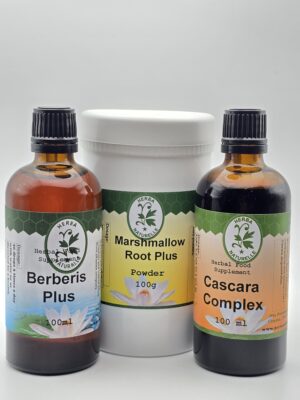 Digestive reset bundle
Original price was: £151.65.£144.95Current price is: £144.95.
-
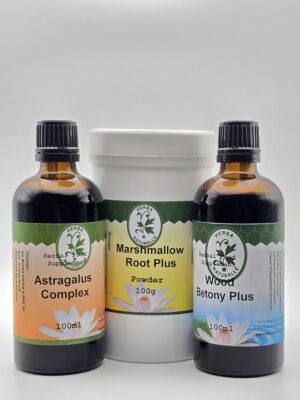 Smooth muscle and immune reset Bundle
Original price was: £177.60.£159.95Current price is: £159.95.
-
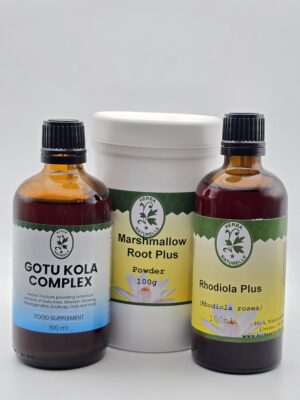 Nervous System Reset
Original price was: £163.68.£149.95Current price is: £149.95.
-
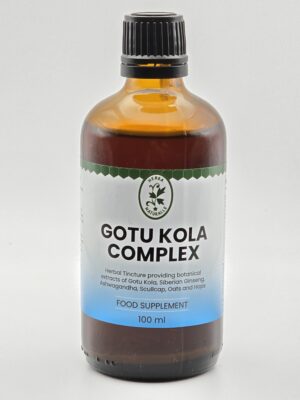 Gotu Kola Complex
£26.95


About the Author

Holistic Herbalist in UK · 30 Years of Excellence at Croydon, GB
Angela Jegnathan brings over 30 years of experience in integrated medicine and more than 25 years of full-time clinical herbal practice. Specializing in holistic herbal medicine, she focuses on restoring digestive health, calming the nervous system, and supporting the body's natural inflammatory response through evidence-based, patient-centered care.
Expertise: Holistic Herbs, Natural Medicines, Herbal Health
30 years of experience
