
Natural Remedies for Cold Hands and Feet: Circulation Support That Actually Works
There is a particular kind of patient who arrives at the clinic wearing gloves in September. They have usually already been told their thyroid is “borderline normal,” their iron is “within range,” and that cold hands “just run in the family.” Natural remedies for cold hands and feet are genuinely useful, but the more interesting question, and the one that actually helps people, is why the circulation is struggling in the first place. Cold extremities are rarely a problem confined to the hands and feet themselves, however localised and minor they may feel on any given morning. They are usually a visible clue pointing toward something happening further upstream, in the heart, the thyroid, the nervous system, or the blood itself, and treating the clue without investigating the cause tends to bring only short lived relief.
What Cold Extremities Are Actually Telling You
The body is remarkably good at protecting its core temperature, and one of the ways it does that is by diverting blood away from the hands and feet when it senses stress, cold, or reduced overall circulatory efficiency. This is a survival mechanism, not a malfunction, but for many people it becomes a chronic, low grade state rather than an occasional response to genuinely cold weather. Persistently cold hands and feet can reflect anything from simple peripheral circulation issues to thyroid function, iron status, or an overactive stress response, which is exactly why a herbalist will usually ask far more questions than “how cold are your hands” before suggesting anything.
The Circulatory Herbs Worth Knowing
Ginkgo leaf is one of the most extensively studied herbs for peripheral blood flow, traditionally used to support circulation to the smallest vessels in the body, including those in the fingers and toes. Hawthorn berries and hawthorn tops work from a slightly different angle, traditionally supporting the heart’s own efficiency as a pump, since sluggish circulation to the extremities often starts with how effectively the heart is moving blood in the first place. Our broader clinical overview of herbal medicine for heart health covers this connection in more detail.
Warming Circulatory Stimulants
Some herbs work less through long term vascular support and more by gently stimulating peripheral blood flow in the moment. Cinnamon bark has a long traditional use as a warming circulatory herb, alongside its better known role in blood sugar support, and black pepper has traditionally been used in a similar way in Ayurvedic practice, often paired with other herbs to help the body make better use of them. Prickly ash bark is a lesser known but genuinely interesting circulatory stimulant in Western herbal medicine, historically used specifically for cold, poorly perfused extremities, sometimes described by older herbalists as a herb that “moves the blood outward” toward the surface of the body. These warming herbs tend to work quickly and are often felt within minutes, which is part of why they have remained popular across so many different herbal traditions for so long.
The Vein Health Connection
Poor circulation is not only about arteries carrying blood outward. Venous return matters too, and this is where herbs like horse chestnut become relevant, traditionally used to support healthy vein tone and reduce that heavy, sluggish feeling in the lower legs. If cold feet are accompanied by heaviness, visible veins or aching by the end of the day, our article on herbs for varicose veins and poor circulation is worth reading in full, since the two complaints frequently overlap in the same person, and both point to the same underlying pattern of blood pooling rather than flowing efficiently back toward the heart.
Blood Pressure, Heart Rate and the Bigger Picture
Circulation to the extremities does not exist in isolation from the rest of the cardiovascular system. Understanding your own numbers matters here, and our guides to the NHS blood pressure chart and resting heart rate, blood pressure and heart health explain what your own readings are actually telling you. For some people, cold hands and feet are simply one visible sign of a wider pattern that also includes low energy and poor stamina, which is where our article on herbal medicine for chronic fatigue and low energy becomes relevant.
When Stress Is Quietly Behind It
The stress response and peripheral circulation are more closely linked than most people realise. When the nervous system perceives a threat, real or perceived, one of its first actions is to constrict blood vessels in the hands and feet, redirecting blood toward the major muscles and organs. For people whose cold hands worsen noticeably during stressful periods, our article on how chronic stress affects the body explains this mechanism in more depth, and our piece on nervous system reset covers the herbal approaches that support recovery from that state rather than fighting the symptom directly.
Thyroid and Iron: The Two Questions Worth Asking
Two of the most common underlying contributors to persistently cold extremities are underactive thyroid function and low iron status, both of which can exist even when blood test results sit at the edge of what is considered “normal.” Our guide to herbal medicine for thyroid health covers both hypothyroidism and hyperthyroidism, and because iron deficiency so often overlaps with liver and digestive function, our article on herbs for liver detox is a useful companion piece for anyone whose cold hands come with fatigue and pale skin. In clinical practice, it is surprisingly common for someone to have been reassured that their thyroid and iron results are “normal,” only for a fuller picture, including symptoms, family history and how those numbers sit within the reference range rather than simply inside it, to tell a more complete story.
Simple Habits That Support Herbal Circulation Care
Herbs work best alongside a few basic circulatory habits. Regular movement matters enormously, since muscle contraction in the calves and forearms acts as a secondary pump that helps push blood back toward the heart, which is one reason cold hands and feet are so common in desk based jobs. Layering clothing to keep the core warm, rather than piling on extra socks alone, also helps, because a warm core signals the body that it is safe to keep blood flowing to the periphery rather than protecting it centrally. Even small things, like running hands under gradually warming rather than very hot water, and avoiding long stretches of sitting with legs crossed, can meaningfully reduce how often this becomes a daily complaint. None of these replace the herbs described above, but they remove some of the resistance those herbs are working against.
It is also worth tracking when the problem is worse. Cold hands that appear mainly in the morning, before the body has had a chance to warm up through movement and food, often point toward a different pattern than cold hands that worsen specifically under deadline pressure or after a poor night’s sleep. Keeping a simple note of the pattern for a couple of weeks before your consultation, including how it relates to sleep, meals, stress and the weather, gives a herbalist far more to work with than the general impression that “my hands are always cold.”
A Realistic, Honest View
We want to be upfront: persistently cold, painful, or discoloured extremities, particularly if fingers turn white then blue then red on exposure to cold, can indicate Raynaud’s phenomenon or another vascular condition that needs proper medical assessment. Herbal medicine is not a substitute for that assessment. Where herbs can genuinely help is in supporting the circulatory, thyroid and stress related factors that so often sit underneath everyday cold hands and feet, once anything more serious has been ruled out.
Discuss Your Case With a Herbalist
Because cold extremities can stem from so many different underlying patterns, working through your own case with a qualified herbalist is the most reliable way to find out what is actually going on. You can learn more about our clinical approach and how a personalised herbal plan is built, or read through our patient success stories to see how similar, everyday complaints have been resolved for other people. If you’re unsure whether herbal medicine is the right starting point, our guide on when to use herbal medicine is a useful place to begin. Cold hands and feet might seem like a small complaint next to the bigger health concerns people bring to a clinic, but they are often one of the earliest, most honest signals the body gives that something further upstream deserves a closer look.
Our Trending Products & Bundles
-
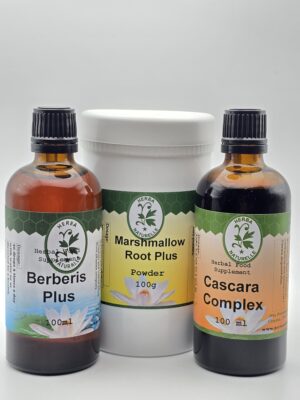 Digestive reset bundle
Original price was: £151.65.£144.95Current price is: £144.95.
Digestive reset bundle
Original price was: £151.65.£144.95Current price is: £144.95.
-
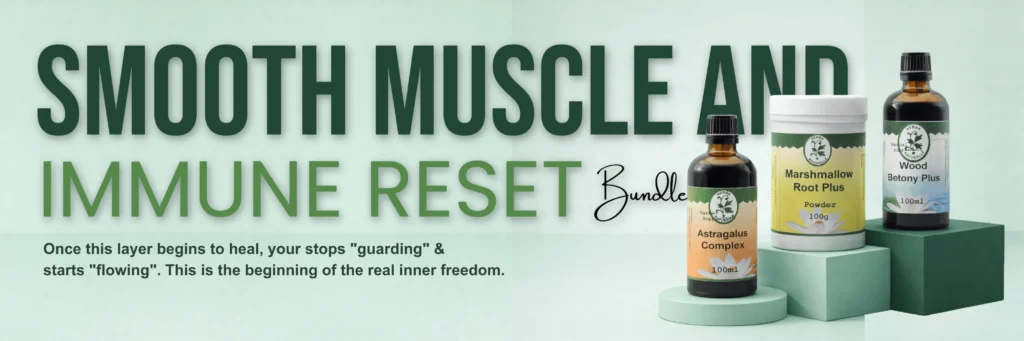
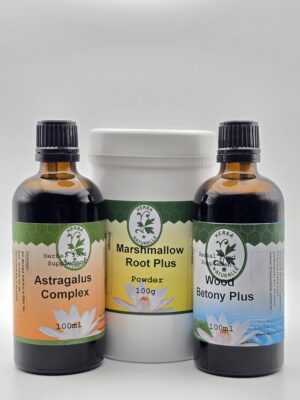 Smooth muscle and immune reset Bundle
Original price was: £177.60.£159.95Current price is: £159.95.
Smooth muscle and immune reset Bundle
Original price was: £177.60.£159.95Current price is: £159.95.
-
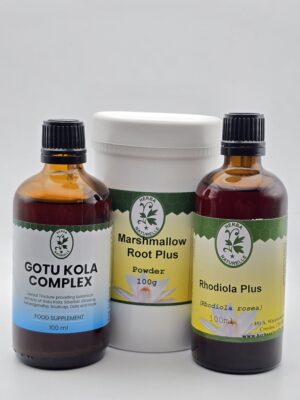 Nervous System Reset
Original price was: £163.68.£149.95Current price is: £149.95.
Nervous System Reset
Original price was: £163.68.£149.95Current price is: £149.95.
-
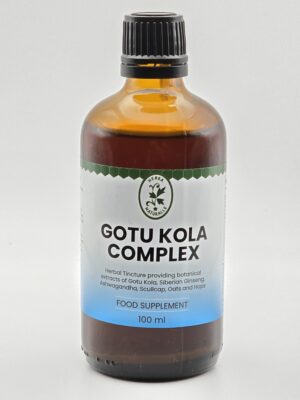 Gotu Kola Complex
£26.95
Gotu Kola Complex
£26.95

About the Author

Holistic Herbalist in UK · 30 Years of Excellence at Croydon, GB
Angela Jegnathan brings over 30 years of experience in integrated medicine and more than 25 years of full-time clinical herbal practice. Specializing in holistic herbal medicine, she focuses on restoring digestive health, calming the nervous system, and supporting the body's natural inflammatory response through evidence-based, patient-centered care.
Expertise: Holistic Herbs, Natural Medicines, Herbal Health
30 years of experience
