Herbs for Bladder Weakness and Urgency: What Herbalists Actually Recommend
Nobody mentions bladder urgency at a dinner party, which is exactly why so many people quietly live with it for years before mentioning it to a herbalist, usually almost as an afterthought at the end of a consultation about something else entirely. Herbs for bladder weakness and urgency can genuinely help, but understanding why the bladder has become so reactive in the first place tends to matter just as much as which herb you reach for. Bladder complaints sit in an uncomfortable blind spot in most people’s health awareness, discussed openly with a herbalist far less often than digestion, sleep or skin, despite being just as disruptive to daily life and, in many cases, just as responsive to the right herbal approach.
The Bladder Is More Reactive Than People Realise
The bladder wall contains smooth muscle that, in a healthy state, stretches gradually and signals fullness in a predictable, manageable way, giving most people plenty of warning and plenty of choice about when to respond to it. In many people, that muscle becomes irritable, contracting before the bladder is genuinely full, which produces the frustrating cycle of frequent, urgent trips to the bathroom even when very little urine is actually passed. This can stem from irritation of the bladder lining, weakened pelvic floor support, hormonal changes, chronic low grade inflammation, or a nervous system that has become primed to respond to bladder signals with far more urgency than the situation warrants. What makes this pattern so frustrating is that it tends to feed itself: the more anxious someone becomes about needing a bathroom, the more attuned their nervous system becomes to bladder sensation, and the more urgent even a partially full bladder starts to feel.
Traditional Urinary Tonics Worth Knowing
Western herbal medicine has a long, well developed tradition of urinary tract support, and several herbs come up again and again in clinical practice, often used in careful combination rather than alone, since different herbs address different aspects of the same underlying pattern. Couch grass rhizome has traditionally been used to soothe an irritated urinary smooth muscle, which is precisely the tissue responsible for that sudden, hard to ignore urge to go, and our dedicated article on the Couch Grass Complex blend explains how this is used in a modern clinical bundle designed specifically around this pattern. Buchu leaf, a South African herb with a long history in urinary tonics, is traditionally paired with soothing herbs to support overall urinary comfort, while bearberry leaf has one of the longest documented histories of use as a urinary antiseptic in European herbal medicine, dating back centuries in traditional folk practice across Scandinavia and northern Europe.
Gentle, Demulcent Support
Not every urinary herb works by being astringent or antimicrobial. Some of the most useful herbs for an irritated, overactive bladder work simply by soothing the lining itself, coating and calming irritated tissue rather than attacking a suspected infection. Cornsilk is one of the gentlest urinary herbs available, traditionally used specifically for the kind of irritable, urgent bladder pattern that does not necessarily involve infection at all, and parsley piert, a tiny and easily overlooked plant, has a surprisingly strong traditional reputation for urinary tract support despite its unassuming appearance in the hedgerow.
When It’s Not Just the Bladder
For some patients, what looks like straightforward bladder weakness turns out to be something more specific, and this is one of the most important distinctions a herbalist will try to make early on. Our article on interstitial cystitis explores a condition frequently mistaken for a simple urinary tract infection, one where bladder pain and urgency persist despite negative urine tests, often after months or years of being told nothing is wrong, and it is well worth reading if antibiotics and standard advice have not resolved your symptoms. For men, the picture is often different again, since urgency and frequency can point toward prostate related changes rather than the bladder itself, which is exactly what our article on herbs for prostate health covers, alongside the traditional use of nettle root for exactly this pattern.
The Silica and Connective Tissue Connection
Pelvic floor support is a physical, structural issue as much as a herbal one, and connective tissue strength plays a bigger role than most people expect. Horsetail, naturally rich in silica, has long been used traditionally to support connective tissue integrity throughout the body, including the tissue that helps hold pelvic structures in their proper place, and it is often overlooked simply because it does not sound like an obvious “bladder herb” at first glance. This is one reason why herbalists often think about bladder weakness alongside general tissue tone rather than treating it purely as a urinary complaint, looking at posture, past pregnancies, core strength and overall connective tissue health as part of the same conversation.
Kidney and Urinary Tract Herbs Beyond the Bladder
Sometimes the story runs slightly further upstream, in the kidneys themselves, rather than the bladder that is doing all the complaining. Gravel root and hydrangea root are both traditionally associated with kidney stone support and general urinary tract clearance, and while not every case of urgency involves the kidneys, a herbalist will usually want to understand the whole urinary system, from kidneys to bladder to pelvic floor, rather than focusing narrowly on the bladder alone.
Hormones, Stress and the Nervous Bladder
Two factors deserve special mention because they are so often overlooked, sometimes even by the person experiencing them. The first is hormonal change, particularly around menopause, when declining oestrogen can thin the tissue lining the urinary tract and directly increase urgency and sensitivity, a connection that surprises many women who assume their bladder symptoms and their hormonal symptoms are entirely separate issues. Our broader article on women’s health and herbal medicine goes into more depth on how hormonal cycles influence far more of the body than most people expect, including tissues that have nothing obviously to do with reproduction. The second factor is stress. A nervous system running in a constant state of alert tends to make every bodily signal, including bladder fullness, feel more urgent and harder to ignore, which is exactly the pattern we explore in our article on how chronic stress affects the body.
Practical Habits That Support These Herbs
A few everyday habits make a genuine difference alongside herbal support. Bladder irritants like caffeine, alcohol, carbonated drinks and artificial sweeteners are worth reducing gradually rather than eliminating overnight, since a sudden change can be hard to sustain and the goal is a workable long term pattern rather than a short lived restriction. Pelvic floor exercises, done consistently rather than occasionally, strengthen the muscular support around the bladder and often make a bigger difference than people expect within a few weeks. It also helps to avoid the habit of “just in case” trips to the bathroom, since this can actually train the bladder to signal urgency at smaller and smaller volumes over time, reinforcing the very pattern you are trying to resolve. Timed voiding, gradually extending the interval between bathroom visits under guidance, is a technique many herbalists suggest alongside herbal support rather than instead of it, since the goal is to retrain the bladder’s signalling pattern over weeks rather than force it through willpower alone.
A Realistic, Honest View
We want to be upfront: sudden onset urgency, pain on urination, blood in the urine, or fever should always be assessed by a GP promptly to rule out infection or anything requiring urgent treatment. Herbal medicine is not a substitute for that assessment, and it works best as ongoing support once anything acute has been properly checked. Where herbs genuinely help is in calming an irritable bladder muscle, supporting the urinary tract lining and addressing the hormonal or stress related factors that so often sit underneath a pattern of frequent, urgent trips to the bathroom.
Discuss Your Case With a Herbalist
Because bladder urgency has so many possible root causes, from hormonal shifts to nervous system patterns to prostate changes, a full consultation is the most reliable way to work out which apply to you rather than guessing your way through a shelf of different supplements. Learn more about our clinical approach to urinary and hormonal health, or read our patient success stories to see how other people have approached similar, often unspoken complaints. Bladder weakness is rarely as simple as “a weak bladder,” and once the real pattern behind it is understood, it usually becomes far more manageable than it felt while it was still a mystery.
Our Trending Products & Bundles
-
 Digestive reset bundle
Original price was: £151.65.£144.95Current price is: £144.95.
Digestive reset bundle
Original price was: £151.65.£144.95Current price is: £144.95.
-
 Smooth muscle and immune reset Bundle
Original price was: £177.60.£159.95Current price is: £159.95.
Smooth muscle and immune reset Bundle
Original price was: £177.60.£159.95Current price is: £159.95.
-
 Nervous System Reset
Original price was: £163.68.£149.95Current price is: £149.95.
Nervous System Reset
Original price was: £163.68.£149.95Current price is: £149.95.
-
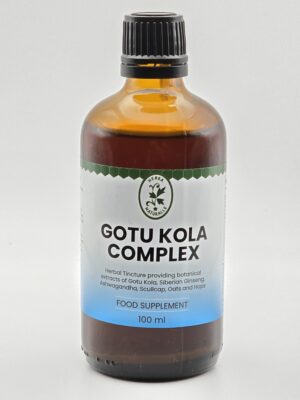 Gotu Kola Complex
£26.95
Gotu Kola Complex
£26.95

About the Author

Holistic Herbalist in UK · 30 Years of Excellence at Croydon, GB
Angela Jegnathan brings over 30 years of experience in integrated medicine and more than 25 years of full-time clinical herbal practice. Specializing in holistic herbal medicine, she focuses on restoring digestive health, calming the nervous system, and supporting the body's natural inflammatory response through evidence-based, patient-centered care.
Expertise: Holistic Herbs, Natural Medicines, Herbal Health
30 years of experience
