
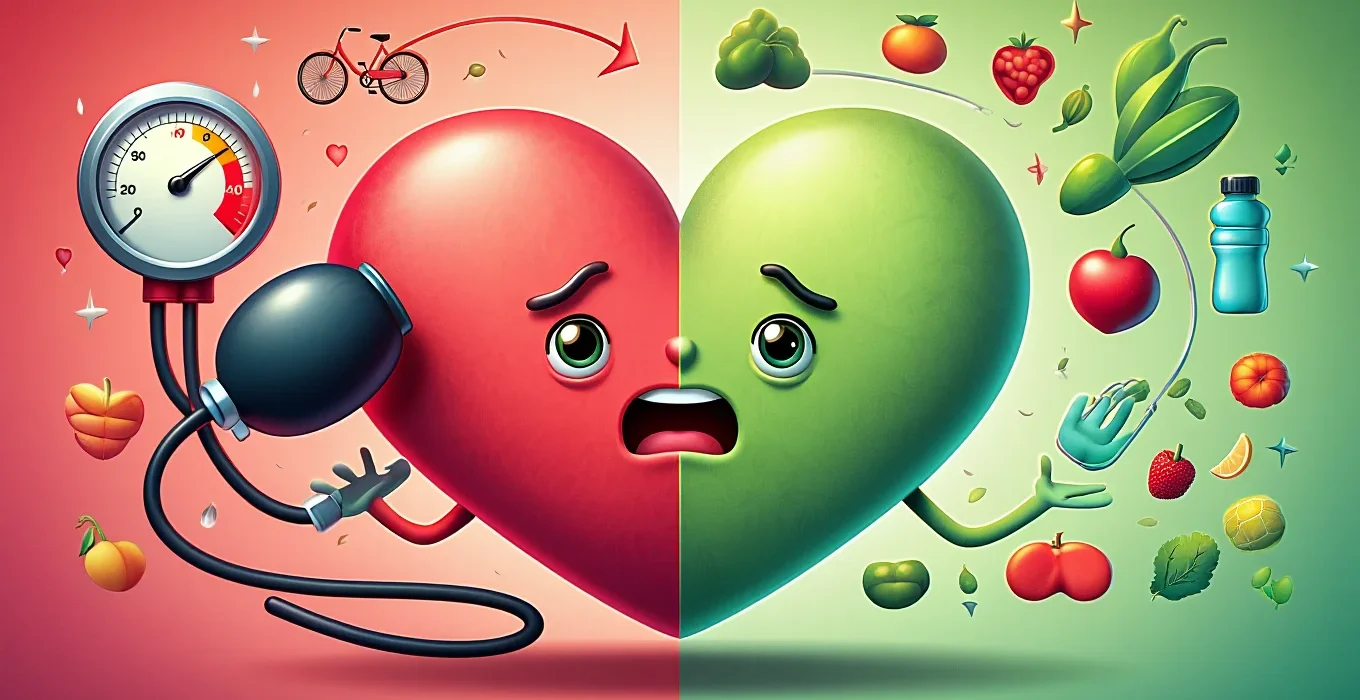
NHS Blood Pressure Chart: What Your Numbers Mean and How to Take Action
Blood pressure is one of the most important indicators of cardiovascular health, yet many people are unsure how to interpret their readings. This guide explains the NHS blood pressure chart in plain language, what the different ranges mean, and what steps you can take to support healthy blood pressure naturally.
Understanding Blood Pressure: The Two Numbers
Every blood pressure reading consists of two numbers measured in millimetres of mercury (mmHg):
- Systolic pressure, the top number, representing the pressure in your arteries when your heart beats
- Diastolic pressure, the bottom number, representing the pressure when your heart rests between beats
A reading is written as systolic over diastolic, for example, 120/80 mmHg.
The NHS Blood Pressure Chart: What Each Range Means
The NHS categorises blood pressure readings into the following ranges:
Ideal Blood Pressure
Between 90/60 mmHg and 120/80 mmHg. This is the range associated with good cardiovascular health and a lower risk of heart disease and stroke.
Pre-High Blood Pressure (Elevated)
Between 120/80 mmHg and 140/90 mmHg. This range suggests that blood pressure is beginning to rise. It does not necessarily require medication, but it is a signal to take lifestyle measures seriously.
High Blood Pressure (Hypertension)
140/90 mmHg and above. This range is diagnosed as high blood pressure. The NHS recommends treatment at this stage, which may include lifestyle changes and, where appropriate, medication.
Very High Blood Pressure
180/120 mmHg and above. This is a hypertensive crisis and requires urgent medical attention.
Low Blood Pressure (Hypotension)
Below 90/60 mmHg. Low blood pressure can cause dizziness, fainting, and fatigue. It may or may not require treatment depending on the cause and symptoms.

Why Blood Pressure Matters
High blood pressure is often called a ‘silent killer’ because it typically causes no symptoms until it contributes to a serious event such as a heart attack or stroke. Sustained high blood pressure puts strain on the walls of blood vessels, the heart, kidneys, and brain over time. Regular monitoring is therefore one of the most important things you can do for your long-term health.
How to Take an Accurate Blood Pressure Reading
Home monitoring is increasingly recommended by the NHS. For the most accurate reading:
- Sit quietly for at least five minutes before measuring
- Ensure your arm is supported at heart level
- Do not talk during the measurement
- Take two readings one minute apart and record both
- Avoid caffeine, exercise, and smoking for 30 minutes before taking a reading
- Measure at the same time each day for consistency
What Can Raise Blood Pressure?
Several lifestyle and medical factors can contribute to elevated blood pressure, including:
- A diet high in salt (sodium)
- Excess alcohol consumption
- Smoking
- Being overweight or obese
- Physical inactivity
- Chronic stress
- Poor sleep quality
- Underlying conditions such as kidney disease or diabetes
- Certain medications

Natural Ways to Support Healthy Blood Pressure
Many people can make meaningful improvements to their blood pressure through lifestyle changes before medication becomes necessary. Evidence-based approaches include:
- Reducing salt intake, aim for no more than 6g per day
- Eating more potassium-rich foods such as bananas, leafy greens, and beans
- Following a Mediterranean-style diet rich in vegetables, whole grains, and healthy fats
- Regular moderate exercise such as brisk walking for 30 minutes, five days a week
- Limiting alcohol to within recommended guidelines
- Managing stress through mindfulness, breathwork, or relaxation practices
- Maintaining a healthy weight
- Getting seven to nine hours of quality sleep each night
The Role of Smooth Muscle Health in Blood Pressure
Blood pressure is regulated in part by the smooth muscle lining that surrounds blood vessels. When this lining becomes chronically inflamed, it can restrict the natural flexibility of blood vessel walls, contributing to sustained high blood pressure. This is an area that herbal medicine has traditionally addressed.
The smooth muscle and immune reset bundle at Herba Naturalle is formulated to reduce chronic inflammation in the smooth muscle lining of blood vessels and other internal tissues, supporting the body’s ability to regulate circulation naturally.
You can also read more about the herbal medicine approach on the about herbal medicine page.
When to See Your GP
If your blood pressure consistently reads above 140/90 mmHg on home monitoring, or if you experience symptoms such as severe headaches, blurred vision, chest pain, or shortness of breath, speak to your GP as soon as possible. Regular NHS Health Checks are also available for adults aged 40 to 74.

Support Your Body Naturally With Herba Naturalle
If any of the topics in this article resonate with you, the Herba Naturalle Bundle page offers a structured, three-step herbal protocol designed to address chronic illness at the root. The approach, developed over 30 years of clinical practice by Anjela Jeganathan, works across three healing layers:
- Step 1, Digestive Reset: Restore digestive rhythm, nutrient absorption, and healthy elimination
- Step 2, Surface Nervous System Reset: Calm inner restlessness, reduce stress reactivity, and settle the mind
- Step 3, Smooth Muscle & Immune Lining Healing: Reduce chronic inflammation in the tissue lining surrounding organs, blood vessels, and immune pathways
Explore the full protocol at the Herba Naturalle Bundle page and find the starting point that matches your body’s needs.
Have Questions? Get in Touch
If you would like personalised guidance or have questions about herbal support for your health, you are welcome to contact Anjela directly. She offers consultations tailored to your individual health needs.
Our Trending Products & Bundles
-
 Digestive reset bundle
Original price was: £151.65.£144.95Current price is: £144.95.
Digestive reset bundle
Original price was: £151.65.£144.95Current price is: £144.95.
-
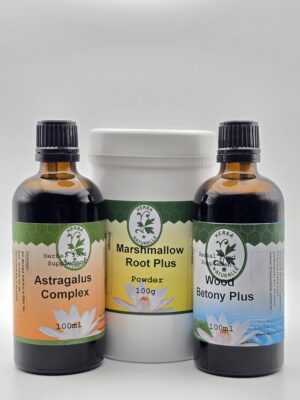 Smooth muscle and immune reset Bundle
Original price was: £177.60.£159.95Current price is: £159.95.
Smooth muscle and immune reset Bundle
Original price was: £177.60.£159.95Current price is: £159.95.
-
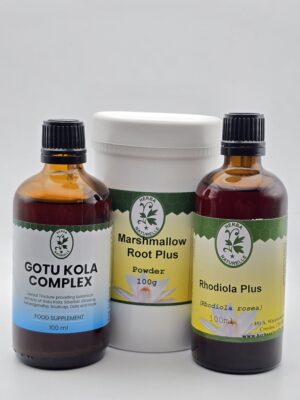 Nervous System Reset
Original price was: £163.68.£149.95Current price is: £149.95.
Nervous System Reset
Original price was: £163.68.£149.95Current price is: £149.95.
-
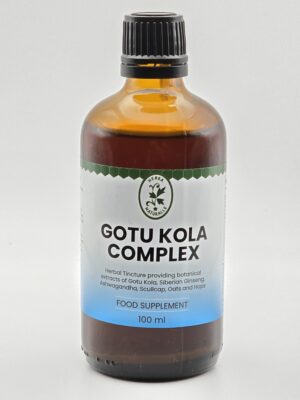 Gotu Kola Complex
£26.95
Gotu Kola Complex
£26.95