
Herbs for Eye Strain and Screen Fatigue: A Herbalist’s Guide to Tired Eyes
By the time most of our patients sit down in the clinic, they have already tried everything from blue light glasses to eye drops. What they usually have not tried is asking why their eyes feel tired in the first place. Herbs for eye strain and screen fatigue will not undo a ten hour workday in front of a monitor, but understanding the underlying pattern, circulation, nervous system load and simple fatigue, often changes how people approach the problem entirely.
It is a strange thing to notice, but the eyes rarely complain about the thing that is actually tiring them. A patient will tell you their eyes “just feel dry” or “heavy,” never realising the real story started hours earlier, in a stiff neck, a shallow breathing pattern, or a nervous system that never quite switched off between meetings. Herbal medicine tends to look past the symptom and ask what conditions allowed it to build in the first place, and eye strain is a particularly good example of why that approach matters. Understanding herbs for eye strain and screen fatigue means understanding the body as a connected system, not treating the eyes as an isolated organ that simply needs a stronger drop or a darker pair of glasses.
Why Screens Wear the Eyes Out Faster Than You’d Think
When we stare at a screen, our blink rate drops by roughly half. The tiny muscles that focus the lens are held in a fixed position for hours at a time instead of shifting naturally between near and far. Add poor lighting, glare and the low grade dehydration that comes with sitting at a desk all day, and it is little wonder eyes ache, water or feel gritty by evening. This is not usually a sign that something is wrong with the eye itself. It is a sign the whole system, muscular, circulatory and nervous, is under sustained low level strain.
The Circulation Angle: Feeding the Eye Properly
The eye is one of the most metabolically demanding tissues in the body, and it depends on a steady, healthy supply of blood to the tiny vessels behind the retina. This is why herbalists often reach for bilberry, traditionally associated with night vision and vascular support in the eye, alongside ginkgo leaf, one of the most researched herbs for peripheral and cerebral circulation. Interestingly, the same circulatory thread comes up in our article on natural remedies for tinnitus, since the ear and the eye both rely on delicate small vessel blood flow that can be affected by the same lifestyle factors.
Herbalists have used circulatory support for eye complaints for centuries, long before anyone understood the mechanics of capillary flow. What modern research has added is a clearer picture of why this matters: the retina consumes oxygen at a rate comparable to some of the most active tissue in the body, and it has almost no capacity to store energy reserves of its own. That means any dip in blood flow, whether from sitting still for hours, poor posture that restricts circulation to the neck and head, or simply getting older, shows up in the eyes faster than almost anywhere else. This is part of why so many of the herbs traditionally used for general circulatory support, rather than eye complaints specifically, end up being relevant here too.
Soothing the Surface: Eyebright and Traditional Eye Herbs
Long before screens existed, herbalists were treating tired, irritated eyes with eyebright, a small European wildflower whose Latin name, Euphrasia, literally means gladness. It has a long folk history of use for eyes that feel strained, watery or sensitive to light, and it remains a first port of call in many modern herbal dispensaries for exactly the complaints screen users describe.
The Part Nobody Mentions: Mental Fatigue and Focus
Eye strain rarely travels alone. Most people who describe sore, heavy eyes by mid afternoon also describe a fuzzy, unfocused feeling in the head, the kind we cover in detail in our piece on herbs for brain fog. This is where herbs like Gotu Kola Complex earn their reputation, traditionally used to support mental clarity and sustained concentration, rather than eye function directly. Rhodiola, an adaptogenic root used for centuries in cold climate regions of Europe and Asia, is another herb worth understanding here, since much of what we label as eye fatigue is really the visual system reporting that the whole nervous system is depleted.
Stress, Screens and the Tension That Builds Behind the Eyes
There is a reason so many screen based headaches sit right behind the eyes or across the temples. Sustained visual concentration activates the same stress response covered in our article on how chronic stress affects the body, and for people whose eye strain regularly tips into a genuine headache, our guide to natural remedies for migraines and tension headaches goes into far more depth on the herbal approaches available. This is also where calming nervines matter. Lavender and passion flower are both traditionally used to ease the kind of low grade tension that builds through a long day of concentrated visual work, and because that tension so often follows people to bed, our evidence based guide to herbal medicine for sleep is worth reading alongside this one.
When Fatigue Is the Real Culprit
Sometimes what looks like screen strain is actually plain exhaustion wearing a different mask. If your eyes feel worst after travel, disrupted sleep or a stretch of long days, our article on natural remedies for jet lag and travel fatigue covers several of the same restorative herbs, since the nervous system does not draw a sharp line between “tired from travel” and “tired from screens.” Oat seed, one of the gentlest nervous system tonics in Western herbal medicine, is a good example of a herb that supports recovery from this kind of accumulated fatigue rather than masking it.
Small Habits That Make Herbs Work Harder
Herbs rarely work in isolation, and eye strain is one of the clearest examples of that. Someone drinking six coffees a day, sleeping five hours a night and sitting hunched over a laptop is not going to feel dramatically different from a bilberry capsule alone, however well researched the herb is. What tends to make the biggest difference, in our clinical experience, is pairing a herbal approach with small structural changes: raising the monitor to eye level so the neck is not straining, increasing ambient humidity in centrally heated offices, and building in genuine distance breaks rather than simply looking at a phone instead of a monitor. Herbs then have room to do what they do best, supporting circulation, calming an overstimulated nervous system and helping the body recover between periods of demand, rather than fighting against a routine that keeps refilling the tank with the same strain.
It is also worth paying attention to hydration, since the eye’s surface depends on a healthy tear film, and mild dehydration is one of the most overlooked contributors to that gritty, end of day feeling. A glass of water beside the keyboard, refilled through the day rather than gulped once at lunch, is a small habit that supports every herb mentioned in this article. Many of the herbs mentioned above, particularly the nervines like lavender and passion flower, work partly by easing the background muscular tension that keeps people unconsciously frowning or squinting at a screen for hours without realising it.
A Realistic, Honest View
We want to be upfront: no herb will substitute for the 20-20-20 rule (looking 20 feet away every 20 minutes), proper screen height, adequate lighting or regular breaks. If eye strain is accompanied by sudden vision changes, persistent pain or flashes of light, that needs prompt attention from an optometrist or GP, not a herbal approach. Where herbs genuinely help is in supporting the circulatory, nervous system and inflammatory factors that make ordinary screen use feel so much more draining than it should.
Discuss Your Case With a Herbalist
Because eye strain so often sits at the crossroads of circulation, stress and simple overuse, a full consultation is the best way to work out which of these is driving your particular pattern. Read more about our approach to herbal medicine and how a personalised plan is put together, or take a look at our patient success stories to see how other people have approached similar, everyday complaints. If you are curious about what a first appointment actually involves, our article on how our herbal consultation works walks through exactly what to expect.
Our Trending Products & Bundles
-
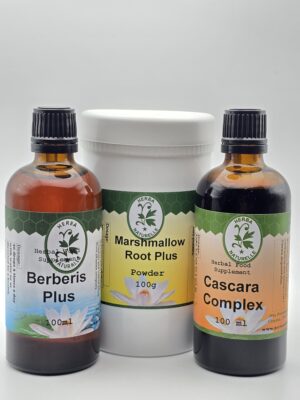 Digestive reset bundle
Original price was: £151.65.£144.95Current price is: £144.95.
Digestive reset bundle
Original price was: £151.65.£144.95Current price is: £144.95.
-
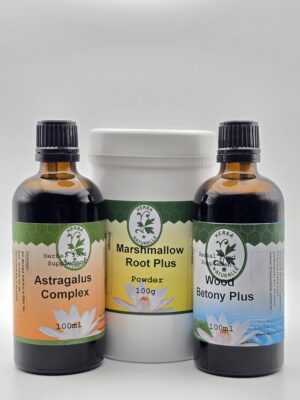 Smooth muscle and immune reset Bundle
Original price was: £177.60.£159.95Current price is: £159.95.
Smooth muscle and immune reset Bundle
Original price was: £177.60.£159.95Current price is: £159.95.
-
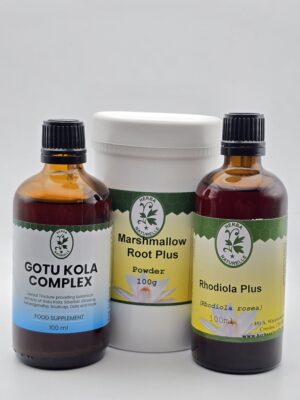 Nervous System Reset
Original price was: £163.68.£149.95Current price is: £149.95.
Nervous System Reset
Original price was: £163.68.£149.95Current price is: £149.95.
-
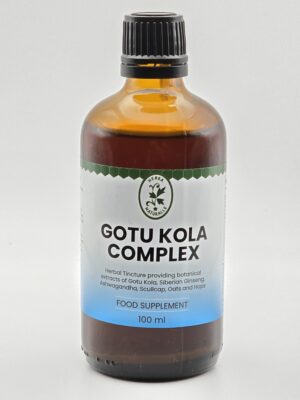 Gotu Kola Complex
£26.95
Gotu Kola Complex
£26.95


About the Author

Holistic Herbalist in UK · 30 Years of Excellence at Croydon, GB
Angela Jegnathan brings over 30 years of experience in integrated medicine and more than 25 years of full-time clinical herbal practice. Specializing in holistic herbal medicine, she focuses on restoring digestive health, calming the nervous system, and supporting the body's natural inflammatory response through evidence-based, patient-centered care.
Expertise: Holistic Herbs, Natural Medicines, Herbal Health
30 years of experience
