Hawthorn Tincture: Benefits, Dosage and How to Take It
Hawthorn is the herb most herbalists reach for first when heart health comes up in consultation, and yet it remains almost completely unknown to the general public, overshadowed by more fashionable supplements with considerably less traditional and research backing behind them. A tincture is one of the most traditional ways to take hawthorn, and it is worth understanding properly, both because of how genuinely useful it is and because it is one of the few herbs that genuinely requires a conversation with a doctor before combining it with certain heart medications.
A Herb With Centuries of Cardiac Tradition
Hawthorn berries and hawthorn tops, from the flowering tops of the same plant, have both been used traditionally in European herbal medicine for cardiac support, with records of this use stretching back centuries before modern cardiology existed. The berries are traditionally considered more tonifying and nutritive, while the flowering tops carry a slightly stronger traditional reputation for calming cardiac anxiety and palpitations, which is why a tincture made from a combination of both is common in modern herbal practice.
What Hawthorn Is Traditionally Thought to Do
Hawthorn’s traditional reputation rests on several overlapping actions rather than a single dramatic one. It is traditionally considered a cardiac tonic, supporting the heart muscle’s own strength and efficiency, and a mild vasodilator, gently easing the tone of blood vessels so blood flows with less resistance. It also contains flavonoids and procyanidins, antioxidant compounds that appear to support the health of the vessel walls themselves. Modern research has examined hawthorn extracts particularly in the context of mild heart failure and general cardiovascular function, and while the findings are encouraging, they are strongest for standardised extracts used under supervision, which is a further reason a proper consultation matters before starting.
Unlike many cardiac medications, hawthorn is not known for a sudden or dramatic effect. Herbalists often describe it as a herb that works quietly over weeks and months, gradually supporting rather than forcing change, and this gentleness is both its main appeal and the reason people sometimes assume it is not working when it simply has not yet had time to.
Typical Dosage and How to Take It
Dosage varies by product concentration, so always check the specific label. As a general guide, hawthorn tincture is commonly taken at two to four millilitres, two to three times daily, diluted in water, and because hawthorn’s traditional reputation is built on cumulative, longer term support rather than an immediate effect, it is typically used consistently over several months rather than as an occasional remedy. The taste is mildly tart and fruity, generally well tolerated even for people who find more bitter tinctures unpleasant.
Supporting the Heart, Not Just Managing a Number
Our article on herbal medicine for heart health places hawthorn within a broader evidence based discussion of cardiovascular herbs, and it is worth understanding hawthorn as supporting the heart’s overall function and the health of blood vessels, rather than targeting a single number the way some medications do. Our article on resting heart rate, blood pressure and heart health explains what these different cardiovascular measurements actually mean, useful context for understanding what hawthorn is traditionally thought to influence.
Understanding Your Own Risk
For many people, hawthorn comes up in conversation after they have checked their own cardiovascular risk, and our articles on the QRISK2 score by age and the cardiovascular disease 10 year risk score explain what these NHS tools actually measure and how to interpret your own result. Our article on the NHS blood pressure chart is a useful companion for anyone whose interest in hawthorn started with a blood pressure reading that prompted some questions. For women specifically, our article on heart attack symptoms in women addresses a pattern that is still underrecognised, including by women themselves.
Diet, Prevention and the Wider Picture
Hawthorn works best as part of a wider cardiovascular strategy rather than in isolation, and our article on cholesterol lowering foods and a heart healthy diet sets out the dietary side of this picture clearly. Our broader article on natural remedies for high blood pressure covers several complementary herbal approaches alongside hawthorn, and motherwort is a herb frequently paired with hawthorn specifically for cardiac anxiety and a racing, unsettled heartbeat, addressing the nervous and cardiac systems together.
The Emotional Side of the Heart
Herbalists have long noticed that hawthorn is used for more than the heart’s mechanical function. Across European folk tradition, it has been associated with the emotional heart too, with grief, anxiety and the kind of tight, unsettled feeling in the chest that follows a period of sustained emotional strain. This is not a claim modern research can easily test, but it reflects a consistent observation in clinical practice that cardiac symptoms and emotional stress frequently travel together, and that a herb with traditional use for both can be a useful part of a plan when the two overlap.
Everyday Habits That Support the Heart
Hawthorn works best alongside the unglamorous basics that make the biggest measurable difference to cardiovascular health. Regular moderate exercise, not smoking, keeping alcohol within recommended limits, and eating a diet rich in vegetables, whole grains, oily fish and healthy fats all have far stronger evidence behind them than any single herb. Managing stress matters too, since sustained stress keeps blood pressure and heart rate elevated in ways that quietly add up over years. Hawthorn can support all of this, but it cannot compensate for habits working against the heart every day, and anyone hoping to use it as a substitute for lifestyle change is likely to be disappointed.
Who Should Be Especially Cautious
Hawthorn is one of the herbs where professional guidance genuinely matters most, since it can interact with heart medications, particularly digoxin and some blood pressure medications, potentially amplifying their effect. This is not a reason to avoid hawthorn, which has a strong traditional and research backed reputation, but it is a firm reason to never start it alongside existing heart medication without first speaking to the prescribing doctor and a qualified herbalist together.
A Realistic, Honest View
We want to be upfront: hawthorn is not a substitute for prescribed heart medication, and anyone with a diagnosed cardiac condition should never adjust or stop medication in favour of a herbal alternative without direct medical guidance. Herbal support works well alongside conventional cardiac care, a relationship explored in our article on herbal medicine and the NHS, and our guide on when to use herbal medicine sets out this balance more generally.
Discuss Your Case With a Herbalist
Because hawthorn genuinely requires careful consideration alongside any existing heart medication, a proper consultation is essential rather than optional before starting, and it is the single most useful step you can take to make sure the herb supports your cardiovascular health rather than complicating it. A herbalist can liaise with your GP where appropriate, check for interactions with anything you currently take, and monitor how you respond over time. Learn more about our clinical approach, or read through our patient success stories to see how other people have incorporated hawthorn safely alongside their existing cardiac care.
Our Trending Products & Bundles
-
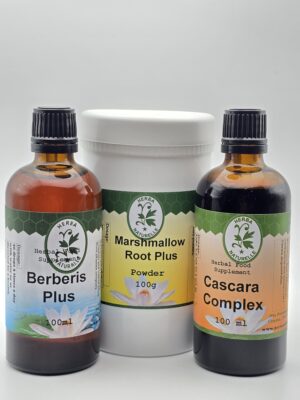 Digestive reset bundle
Original price was: £151.65.£144.95Current price is: £144.95.
-
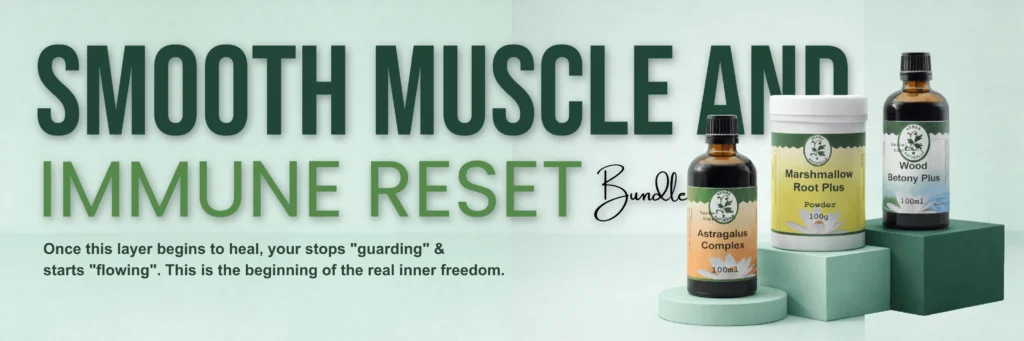
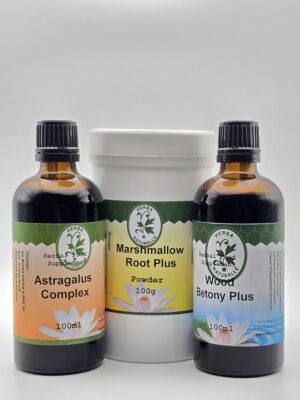 Smooth muscle and immune reset Bundle
Original price was: £177.60.£159.95Current price is: £159.95.
-
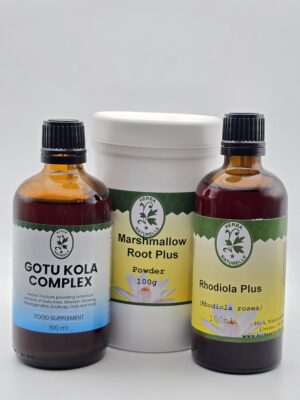 Nervous System Reset
Original price was: £163.68.£149.95Current price is: £149.95.
-
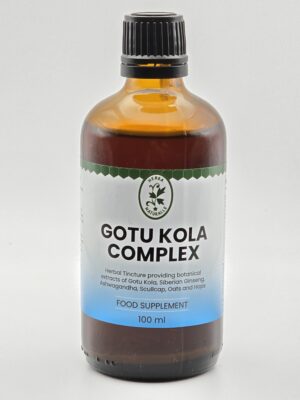 Gotu Kola Complex
£26.95

About the Author

Holistic Herbalist in UK · 30 Years of Excellence at Croydon, GB
Angela Jegnathan brings over 30 years of experience in integrated medicine and more than 25 years of full-time clinical herbal practice. Specializing in holistic herbal medicine, she focuses on restoring digestive health, calming the nervous system, and supporting the body's natural inflammatory response through evidence-based, patient-centered care.
Expertise: Holistic Herbs, Natural Medicines, Herbal Health
30 years of experience
