Herbs for Bruising and Weak Capillaries
Some people bump into a table and forget about it within minutes. Others end up with a bruise that blooms for a week from the same knock, and if that’s a familiar pattern for you, particularly if it seems to be happening more than it used to, herbs for bruising and weak capillaries is a reasonable place to start looking for answers, alongside a proper look at why it’s happening in the first place.
Sun Exposure and Skin Thinning
Cumulative sun exposure over a lifetime thins the skin and weakens the collagen supporting underlying blood vessels, which is part of why bruising becomes noticeably more common on sun exposed areas like the forearms and hands as people age. Consistent sun protection over the years, alongside the internal support discussed here, genuinely helps preserve the skin’s structural resilience for longer than either approach would achieve alone.
Exercise and Vascular Resilience
Regular, moderate exercise supports healthy blood vessel function throughout the body, including the small capillaries most relevant to bruising, largely through its beneficial effect on circulation and overall vascular tone. This doesn’t mean intense exercise prevents bruising entirely, since athletes can bruise easily too from direct impact, but a generally active lifestyle does appear to support better baseline vascular resilience over time.
What Makes Some People Bruise More Easily Than Others
A bruise forms when small blood vessels near the skin’s surface, called capillaries, rupture and leak blood into the surrounding tissue. Capillary fragility, meaning how easily these tiny vessels break under minor pressure, varies considerably between individuals, influenced by genetics, age, certain medications, and specific nutrient levels, particularly vitamin C and vitamin K, both of which play a direct role in maintaining healthy blood vessel walls and normal clotting.
Building Nutrient Reserves Rather Than Reacting to Each New Bruise
Rather than treating each individual bruise as it appears, the more effective long term strategy focuses on gradually building the body’s baseline reserves of vitamin C and the vascular supporting nutrients discussed throughout this article, so that capillaries become inherently more resilient over time rather than simply healing marginally faster once damage has already occurred.
Herbs That Support Vascular Strength
Bilberry Berries have a strong traditional and research supported reputation specifically for supporting capillary strength and vascular health, making them one of the more directly relevant herbs for anyone dealing with easy bruising. Buckwheat is rich in rutin, a compound specifically associated with strengthening capillary walls, and it’s traditionally described as a vascular tonic for exactly this reason.
Horse Chestnut, more commonly discussed in relation to varicose veins, also has a broader traditional reputation for supporting vascular tone generally, which extends to capillary strength as well. If venous circulation more broadly feels like a concern alongside easy bruising, our dedicated guide to herbs for varicose veins and poor circulation covers that connection in more depth.
Vitamin C’s Direct Role in Bruise Prevention
Rose Hips are exceptionally rich in natural vitamin C, a nutrient directly required for maintaining healthy collagen in blood vessel walls. Since collagen forms much of the structural support for capillaries, adequate vitamin C intake has a genuinely direct, mechanistic bearing on how easily those vessels rupture under minor pressure, making this one of the clearer, more evidence-plausible connections in this whole topic.
Supporting Healing Once a Bruise Has Already Formed
Yarrow, sometimes called the universal healer, has a traditional reputation supporting circulation and tissue repair, useful once a bruise has already formed and the goal shifts toward faster healing. Witch Hazel is a gentle skin astringent traditionally applied topically to bruises and minor skin trauma, helping to reduce local swelling and support the healing process at the skin’s surface directly.
Why Skin Health and Bruising Are More Connected Than People Realise
Ageing skin naturally becomes thinner and loses some of its structural collagen over time, which is part of why easy bruising becomes noticeably more common with age, even in people who bruised rarely when younger. Our related guide to herbs for skin ageing and collagen support covers this broader collagen connection in more depth, and many of the same herbs discussed there, particularly those supporting vitamin C status and collagen synthesis, are directly relevant to reducing bruise frequency as well.
The Inflammation Connection Worth Understanding
Chronic low grade inflammation can affect vascular integrity over time, adding another reason why systemic inflammation matters even for a symptom as seemingly minor as bruising more easily than expected. Our broader piece on understanding inflammation as a root driver of chronic disease is worth reading for the fuller mechanism behind this connection.
Medications That Can Increase Bruising Tendency
It’s worth mentioning that several common medications can increase bruising tendency as a known side effect, including blood thinners, aspirin taken regularly, and certain steroid medications used long term. If your bruising pattern started or worsened around the same time you began a new medication, that timing is worth mentioning to whoever prescribed it rather than assuming a herbal remedy alone will fully offset an effect the medication itself is causing.
When Easy Bruising Needs Proper Investigation
It’s important to say this clearly, since easy bruising can occasionally signal something more significant than simple capillary fragility. Bruising that’s new, unusually frequent, appears without any known cause, or is accompanied by other symptoms like unusual fatigue or prolonged bleeding from minor cuts, warrants proper bloodwork rather than assuming a herbal remedy will resolve it. Our guide to the full body MOT blood test explains what’s typically checked, and it’s a sensible step before assuming the cause is simply age related capillary fragility, since certain medications, particularly blood thinners, and rarer underlying conditions can also present this way.
A Case Worth Sharing
A woman in her sixties came to clinic concerned that she’d started bruising far more easily than she used to, sometimes without remembering any specific knock at all. Bloodwork ruled out anything more serious, pointing toward age related vascular and collagen changes as the most likely explanation. A plan combining Bilberry Berries and Rose Hips daily, alongside a conscious increase in vitamin C rich foods generally, led to a noticeable reduction in both the frequency and severity of new bruises over the following few months, a genuinely satisfying outcome for something that had started to worry her considerably before she understood what was actually behind it.
Building a Plan That Actually Strengthens Vascular Health
If easy bruising has become a noticeable pattern for you, particularly if it’s new or worsening, a proper case history and some basic bloodwork give a far clearer picture than assuming any single remedy will help. You can book a consultation or book an appointment online. The full herb directory has more detail on every herb mentioned here, our About Herbal Medicine page explains the clinical reasoning behind this approach, and our homepage has everything else you need to know about how the clinic works.
Easy bruising is often simply a sign of ageing vascular tissue in need of a bit of extra support, and with the right combination of herbs and nutrients, most people see a genuine, noticeable improvement over a matter of months.
Giving It Time to Show
Vascular and collagen support, like most nutrient dependent processes in the body, takes weeks rather than days to produce a noticeable change, since existing capillary walls need time to rebuild with better structural support. Sticking with a chosen approach consistently for at least two to three months, rather than switching remedies at the first sign of an unrelated new bruise, tends to give a far more accurate picture of whether it’s genuinely working.
A Final Word on Realistic Timelines
Vascular tissue rebuilds gradually, which means noticeable improvement in bruising frequency typically takes a good two to three months of consistent herbal and dietary support to become apparent. This is worth knowing from the outset, so that a lack of overnight change isn’t mistaken for the approach simply not working.
Sticking with a chosen plan for at least that long tends to make the difference between genuine, lasting improvement and giving up just before results would otherwise have shown.
One Last Practical Note
Photographing a new, unusual bruise as it develops and fades can be a genuinely useful habit, giving you and your practitioner an objective record of healing speed over time, rather than relying on memory alone to judge whether things are genuinely improving.
Our Trending Products & Bundles
-
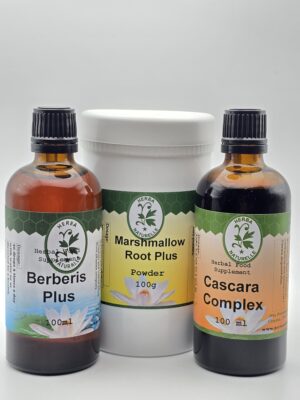 Digestive reset bundle
Original price was: £151.65.£144.95Current price is: £144.95.
Digestive reset bundle
Original price was: £151.65.£144.95Current price is: £144.95.
-
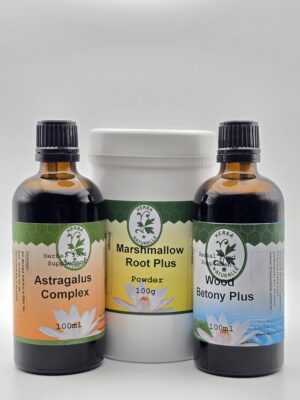 Smooth muscle and immune reset Bundle
Original price was: £177.60.£159.95Current price is: £159.95.
Smooth muscle and immune reset Bundle
Original price was: £177.60.£159.95Current price is: £159.95.
-
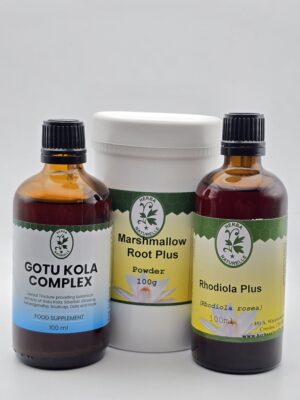 Nervous System Reset
Original price was: £163.68.£149.95Current price is: £149.95.
Nervous System Reset
Original price was: £163.68.£149.95Current price is: £149.95.
-
 Gotu Kola Complex
£26.95
Gotu Kola Complex
£26.95

About the Author

Holistic Herbalist in UK · 30 Years of Excellence at Croydon, GB
Angela Jegnathan brings over 30 years of experience in integrated medicine and more than 25 years of full-time clinical herbal practice. Specializing in holistic herbal medicine, she focuses on restoring digestive health, calming the nervous system, and supporting the body's natural inflammatory response through evidence-based, patient-centered care.
Expertise: Holistic Herbs, Natural Medicines, Herbal Health
30 years of experience
