Bilberry Berries (Vaccinium myrtilis): The Eye and Vascular Herb
Bilberry — Vaccinium myrtilis — is the European wild cousin of the blueberry, growing on acidic moorlands and heathlands across Britain and Northern Europe. Smaller, darker, and more intensely flavoured than cultivated blueberries, bilberries contain an extraordinary concentration of anthocyanins — the purple-blue polyphenols responsible for their colour and, increasingly well evidenced, for a range of genuinely significant clinical benefits centred on eye health, vascular protection, and antioxidant activity.
At Herba Naturalle, Bilberry Berries are catalogued in the comprehensive herb index as a nutritive and vascular herb with a particularly strong evidence base for eye health — an area where herbal medicine has rarely received the recognition its clinical record deserves.
Botanical Identity
Vaccinium myrtilis is a low-growing deciduous shrub of the Ericaceae family, reaching 10–50cm. Found across heathland, moorland, and open woodland throughout Britain, Scandinavia, and alpine Europe, it is harvested in summer when the berries are deep purple-black and fully ripe. The fresh berries, dried berries, and standardised berry extract (standardised to anthocyanoside content — typically 25%) are all used medicinally. The leaf is separately listed in the herb index with overlapping but distinct applications.
Anthocyanins: The Active Principle
Bilberry berries are among the richest natural sources of anthocyanins — specifically the anthocyanoside subclass. Key anthocyanins include:
- Cyanidin, delphinidin, petunidin, peonidin, and malvidin glycosides
- Collectively providing antioxidant capacity far exceeding most other berries
These compounds have documented effects on:
- Retinal photoreceptor function (rod cell regeneration and visual adaptation)
- Collagen cross-linking and vascular wall integrity
- Capillary permeability and fragility
- Platelet aggregation inhibition
- Inflammatory signalling (NF-κB inhibition)
- Blood glucose metabolism
Clinical Evidence and Applications
Eye health and vision: The most established application. During World War II, British Royal Air Force pilots reported improved night vision after eating bilberry jam — prompting the initial research that has since produced a substantial evidence base. Anthocyanins:
- Accelerate the regeneration of rhodopsin (the visual pigment in rod cells responsible for night vision and low-light vision)
- Reduce oxidative damage to retinal tissue — relevant in age-related macular degeneration (AMD)
- Reduce retinal vascular permeability in diabetic retinopathy
- Improve symptoms in glaucoma by supporting optic nerve blood flow and reducing intraocular oxidative stress
Vascular health: Bilberry anthocyanins stabilise and strengthen the collagen matrix of vascular walls, reduce capillary fragility and permeability, and improve microcirculatory blood flow. Clinical applications include varicose veins, haemorrhoids, venous insufficiency, and the microvascular complications of diabetes.
Blood glucose regulation: Clinical trials show reductions in post-meal blood glucose rises with Bilberry extract — mediated through inhibition of alpha-glucosidase (the intestinal enzyme that digests starch) and improvement of insulin sensitivity.
Anti-inflammatory: Anthocyanins inhibit NF-κB and COX-2 — major inflammatory pathways — providing systemic anti-inflammatory effects relevant to cardiovascular, joint, and immune health. Complementary to the Smooth Muscle and Immune Reset Bundle.
Urinary tract: Bilberry anthocyanins inhibit the adhesion of E. coli to the urinary tract mucosa — complementing the antiseptic action of Bearberry Leaf and the soothing action of Cornsilk Plus.
Typical Use
- Standardised extract (25% anthocyanosides): 80–160mg twice to three times daily
- Fresh or dried berries: 20–60g fresh berries daily for general antioxidant benefit
- Tincture (1:3): 3–5ml three times daily
Safety
Bilberry berries are extremely safe — they have been eaten as food for centuries. At high doses (standardised extract), mild GI discomfort may occur. No significant drug interactions at normal doses. Anticoagulants: mild theoretical concern at very high doses due to platelet effects. Safe in pregnancy as a food.
Browse the Herba Naturalle herb index, explore the full product range, and contact Herba Naturalle for personalised vascular and eye health support.
This article is for informational purposes only. Please consult a qualified medical herbalist or ophthalmologist for eye health concerns.
Our Trending Products & Bundles
-
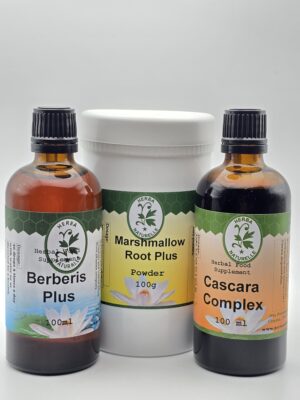 Digestive reset bundle
Original price was: £151.65.£144.95Current price is: £144.95.
Digestive reset bundle
Original price was: £151.65.£144.95Current price is: £144.95.
-
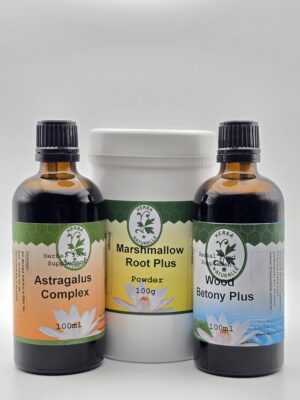 Smooth muscle and immune reset Bundle
Original price was: £177.60.£159.95Current price is: £159.95.
Smooth muscle and immune reset Bundle
Original price was: £177.60.£159.95Current price is: £159.95.
-
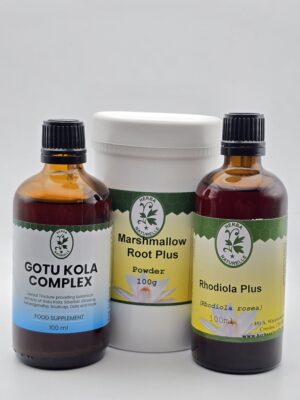 Nervous System Reset
Original price was: £163.68.£149.95Current price is: £149.95.
Nervous System Reset
Original price was: £163.68.£149.95Current price is: £149.95.
-
 Gotu Kola Complex
£26.95
Gotu Kola Complex
£26.95