Herbs for Skin Ageing and Collagen Support: What Actually Holds Up
Walk down any health shop aisle and you’ll find a dozen products promising to “boost collagen” or “fight ageing from within”. Most of that marketing outpaces the evidence by a wide margin. But underneath the noise, there are genuinely useful herbs with real traditional use and, in some cases, real research behind their role in skin health, and herbs for skin ageing is a topic worth separating carefully from the hype surrounding it.
This article looks at what’s actually happening beneath the surface of ageing skin, and which herbs earn their place in a sensible, evidence aware approach rather than a shelf full of expensive promises.
What’s Actually Happening as Skin Ages
There’s also a genetic component that no herb or product changes, and it’s worth naming that honestly upfront. Some people simply age more slowly than others regardless of what they do, largely down to genetics and lifetime sun exposure, and part of a healthy approach to this whole topic is accepting that outcome isn’t fully within anyone’s control, however much marketing might suggest otherwise.
Collagen production naturally slows with age, skin becomes thinner and less elastic, and cumulative sun exposure, inflammation and oxidative stress all speed the process along. This is why the most useful herbal approach to skin ageing rarely starts with skin at all. It starts with inflammation, because chronic low grade inflammation accelerates the breakdown of collagen and elastin throughout the body, skin included. Our piece on understanding inflammation as the root cause of so much chronic disease is directly relevant here, even though it isn’t written specifically about skin.
The Herb Herbalists Reach for First
Rather than starting with a long list of ingredients, it helps to think in terms of three categories, herbs that support collagen synthesis directly, herbs that calm the inflammation breaking collagen down, and herbs that support the liver and elimination pathways behind clearer, more resilient skin overall. Most sensible herbal skin protocols draw from all three rather than piling on ingredients from just one category.
Gotu Kola has one of the strongest evidence bases of any herb used for skin, with research supporting its role in wound healing and connective tissue support, including collagen synthesis. It’s used both internally and topically in traditional practice, and it’s one of the few herbs where “supports skin structure” isn’t just a marketing phrase, it reflects a genuinely documented mechanism of action.
Vitamin C, Naturally
Rose Hips are exceptionally rich in natural vitamin C, a nutrient that’s directly required by the body to synthesise collagen in the first place. Without adequate vitamin C, collagen production simply cannot proceed properly, no matter how many other “collagen boosting” ingredients are added to a routine. This is one of the clearer, more mechanistically obvious connections in herbal skin support, and it’s a good example of a herb working through nutrition rather than a mysterious active compound.
Calming Inflammation at the Skin Level
Marigold Flower, better known as Calendula, has a long traditional reputation as a skin and mucous membrane healer, used topically to calm irritation and support tissue repair. It’s a gentle herb, well suited to sensitive or reactive skin, and unlike many trendier ingredients it has decades of consistent clinical use behind it in wound care specifically.
Turmeric works from the inside, with a well documented anti-inflammatory action that’s relevant to skin ageing precisely because inflammation is such a significant driver of collagen breakdown. It’s rarely marketed as a “beauty herb” in the way collagen supplements are, but its actual mechanism of action arguably makes it more relevant to skin ageing than most products that are.
When Skin Conditions Complicate the Picture
Ageing skin doesn’t exist in isolation from other skin conditions, and adult acne, eczema and psoriasis all bring their own inflammatory processes that can accelerate visible ageing in affected areas. If breakouts are part of your picture, our guide to natural remedies for acne and adult breakouts covers that specifically, and our pieces on herbal remedies for psoriasis and herbal medicine for eczema and skin conditions are worth reading if either applies to you, since treating the underlying condition often improves the skin’s overall appearance and resilience more than any anti ageing product alone.
The Liver’s Underrated Role in Skin Clarity
This surprises most people, but the liver’s ability to clear toxins and metabolise hormones has a direct bearing on skin condition, including how dull, congested or inflamed skin looks over time. Milk Thistle Seed supports healthy liver function, and Burdock Root, traditionally known as a blood cleanser, has a long herbal history specifically tied to skin conditions linked to sluggish elimination pathways. Our fuller guide to herbs for liver detox goes into this connection in more depth, and it’s a useful read if your skin concerns feel connected to broader sluggishness rather than skin alone.
Why Consistency Matters More Than Any Single Herb
Collagen turnover is a slow biological process, measured in months rather than days, which means no herb, however well evidenced, produces visible change overnight. The women and men who see genuine improvement in skin quality over time are almost always the ones who take a consistent, patient approach, combining a herb or two with reduced inflammatory triggers in diet and lifestyle, rather than chasing whichever ingredient is trending that month.
The Basics No Herb Can Substitute For
It has to be said plainly, because it’s the part most anti ageing marketing conveniently leaves out. Sun protection, adequate hydration and enough sleep do more for visible skin ageing over a lifetime than any single herb or supplement ever will. Cumulative, unprotected sun exposure is the single biggest external driver of premature skin ageing, breaking down existing collagen faster than any herb can help rebuild it. Sunscreen used consistently, not just on obviously sunny days, is arguably the single highest impact change available to anyone genuinely concerned about skin ageing, and it costs a fraction of most anti ageing products on the shelf.
Hydration matters more than most people credit it for as well. Skin cells, like every other cell in the body, need adequate water to function well, and chronically under-hydrated skin looks noticeably duller and less resilient regardless of what’s being applied topically. Sleep is the third pillar, since a significant amount of tissue repair, skin included, happens during deep sleep, and chronically poor sleep shows up on the face in ways that no serum fully compensates for.
A Case Worth Sharing
A woman in her early fifties came to clinic frustrated after spending a considerable amount on collagen supplements and expensive serums with little visible change. Her diet was reasonable, but she drank very little water, worked long hours at a screen with minimal outdoor time, and had been sleeping poorly for years due to ongoing stress. The plan shifted focus almost entirely away from topical products, toward Gotu Kola and Rose Hips internally, a genuine effort to improve hydration and sleep, and daily sunscreen regardless of weather. Within a few months, she reported that colleagues had started commenting she looked “well rested” for the first time in years, which was, in her words, more satisfying than any compliment about a specific product ever had been.
Building a Sensible Routine
If you want a plan tailored to your specific skin picture rather than a generic list of “anti ageing herbs”, you can book a consultation or go ahead and book an appointment online. The full herb directory has more detail on each herb covered here, our About Herbal Medicine page explains the reasoning behind this whole body approach, and our homepage has everything else you need about how the clinic works.
Skin ageing is a natural process, not a problem to be aggressively fought, but supporting the body’s own collagen production and reducing unnecessary inflammatory load is a genuinely useful, evidence grounded goal, and a handful of well chosen herbs can meaningfully support it.
Setting Realistic Expectations
It’s worth ending on something honest rather than aspirational. No herb, however well evidenced, will reverse decades of sun damage or turn back the clock in any dramatic sense, and anyone promising that is overselling what herbal medicine can genuinely deliver. What a thoughtful, consistent approach can realistically offer is better supported collagen production, calmer, less inflamed skin, and a visible improvement in overall skin quality and resilience over months rather than days. That’s a modest sounding goal on paper, but it’s the difference many people notice most, skin that looks genuinely healthier rather than artificially altered, which tends to be exactly what most people were hoping for in the first place.
Our Trending Products & Bundles
-
 Digestive reset bundle
Original price was: £151.65.£144.95Current price is: £144.95.
Digestive reset bundle
Original price was: £151.65.£144.95Current price is: £144.95.
-
 Smooth muscle and immune reset Bundle
Original price was: £177.60.£159.95Current price is: £159.95.
Smooth muscle and immune reset Bundle
Original price was: £177.60.£159.95Current price is: £159.95.
-
 Nervous System Reset
Original price was: £163.68.£149.95Current price is: £149.95.
Nervous System Reset
Original price was: £163.68.£149.95Current price is: £149.95.
-
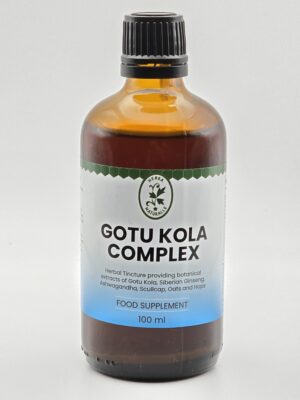 Gotu Kola Complex
£26.95
Gotu Kola Complex
£26.95

About the Author

Holistic Herbalist in UK · 30 Years of Excellence at Croydon, GB
Angela Jegnathan brings over 30 years of experience in integrated medicine and more than 25 years of full-time clinical herbal practice. Specializing in holistic herbal medicine, she focuses on restoring digestive health, calming the nervous system, and supporting the body's natural inflammatory response through evidence-based, patient-centered care.
Expertise: Holistic Herbs, Natural Medicines, Herbal Health
30 years of experience
