Buckwheat Herb (Fagopyrum esculentum): The Rutin-Rich Vascular Tonic
By Anjela Jeganathan – Holistic Medical Herbalist | Herba Naturalle
Buckwheat — Fagopyrum esculentum — is primarily known as a food grain, but its flowering herb (leaves and flowers) is one of the richest natural sources of rutin — a bioflavonoid with significant and well-evidenced effects on vascular health, capillary integrity, and blood pressure. As a medicinal herb, Buckwheat occupies a specific and important niche: the strengthening and protection of the capillary network and small blood vessels that underlie so many chronic circulatory conditions.
At Herba Naturalle, Buckwheat Herb is listed in the comprehensive 224-herb index as a vascular tonic of particular relevance to the cardiovascular and smooth muscle lining support that forms part of the clinical approach.
Active Compounds
- Rutin (up to 8% of dried herb) — the primary active flavonoid glycoside; strengthens capillary walls, reduces capillary permeability, inhibits platelet aggregation, and has antioxidant and anti-inflammatory properties
- Quercetin — released from rutin by enzymatic hydrolysis; independently anti-inflammatory and antioxidant
- Chlorogenic acid — with antioxidant and blood-pressure-relevant activity
- Fagopyrins — photosensitising compounds present in the herb (not in the grain)
Clinical Applications
Capillary Fragility and Bruising
Rutin’s primary action is strengthening the collagen matrix of capillary walls — reducing the fragility that leads to easy bruising, petechiae (tiny skin haemorrhages), and venous insufficiency. This makes Buckwheat Herb specifically applicable in people who bruise easily, have spider veins, or show signs of capillary fragility.
Varicose Veins and Haemorrhoids
The capillary-toning and anti-inflammatory effects of rutin are directly relevant to varicose veins and haemorrhoids — conditions rooted in weakened vascular wall integrity. The Smooth Muscle and Immune Reset Bundle addresses the deeper smooth muscle lining inflammation that underlies vascular conditions.
Blood Pressure Support
Rutin and quercetin have documented antihypertensive activity — reducing blood pressure through vasodilation, inhibition of ACE-like activity, and improvement of endothelial function.
Diabetic Microvascular Complications
The protection of small blood vessels by rutin is particularly relevant in diabetic retinopathy, nephropathy, and neuropathy — conditions where capillary damage underlies the end-organ damage of long-term diabetes.
Preparation
- Tea: 2–3g dried herb steeped 10 minutes; 3 cups daily
- Tincture (1:3): 2–4ml three times daily
- Rutin supplement: 500mg standardised rutin, twice daily
⚠ Safety Considerations
- Photosensitivity: Fagopyrins in the herb may cause photosensitisation in pale-skinned individuals — avoid prolonged sun exposure during use
- Anticoagulants: Rutin has mild antiplatelet activity — use with professional guidance alongside warfarin
- Allergy: Rare allergy to Polygonaceae family — discontinue if reactions occur
- Pregnancy: Insufficient data — avoid therapeutic doses
Contact Herba Naturalle for personalised cardiovascular and vascular herbal support. Browse the herb index, herbal philosophy, and all products.
This article is for informational purposes only. Please consult a qualified medical herbalist before use.
Our Trending Products & Bundles
-
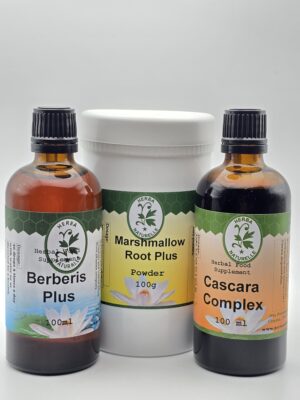 Digestive reset bundle
Original price was: £151.65.£144.95Current price is: £144.95.
Digestive reset bundle
Original price was: £151.65.£144.95Current price is: £144.95.
-
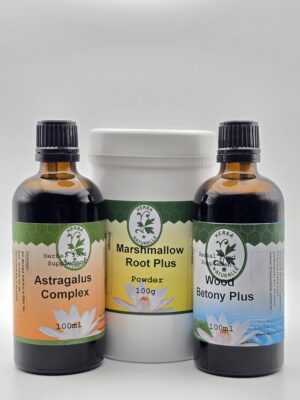 Smooth muscle and immune reset Bundle
Original price was: £177.60.£159.95Current price is: £159.95.
Smooth muscle and immune reset Bundle
Original price was: £177.60.£159.95Current price is: £159.95.
-
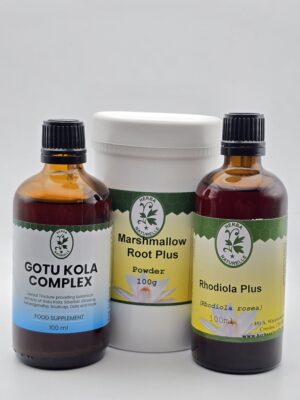 Nervous System Reset
Original price was: £163.68.£149.95Current price is: £149.95.
Nervous System Reset
Original price was: £163.68.£149.95Current price is: £149.95.
-
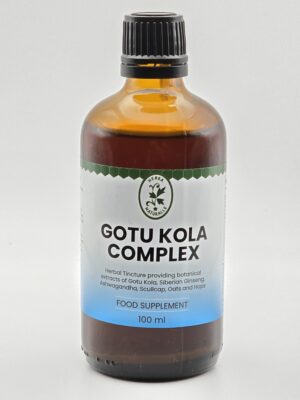 Gotu Kola Complex
£26.95
Gotu Kola Complex
£26.95