Herbal Support for Candida and Thrush: Restoring Balance
Candida is a genuinely confusing topic to research online, sitting somewhere between legitimate medical condition and a term stretched far beyond its evidence base by a certain corner of the wellness industry. Herbal support for candida and thrush deserves a properly honest treatment, separating what’s genuinely well understood, oral and vaginal thrush as recognised, treatable conditions, from the much more contested idea of systemic candida overgrowth, which lacks the same level of scientific consensus.
Partners and Recurrence
For vaginal thrush specifically, it’s worth knowing that while thrush itself isn’t classified as a sexually transmitted infection, sexual activity can sometimes contribute to recurrence in susceptible individuals, and in persistent cases some couples find it helpful for both partners to be assessed, particularly if recurrence seems to follow a consistent pattern around sexual activity rather than antibiotic use or other more common triggers.
Oral Thrush in Babies and Denture Wearers
Oral thrush also commonly affects two quite different groups, babies with still developing immune systems, and denture wearers, particularly if dentures aren’t cleaned thoroughly or removed overnight. In both cases, addressing the specific underlying cause, whether that’s proper denture hygiene or, for infants, simple topical treatment as advised by a health visitor or GP, matters more than any general herbal approach aimed at adults.
Clothing and Hygiene Habits Worth Knowing
For vaginal thrush specifically, tight, non-breathable clothing and prolonged dampness, whether from sweat or staying in wet swimwear too long, create conditions that favour yeast overgrowth. Simple changes, breathable cotton underwear and changing out of damp clothing promptly, are low effort, genuinely useful additions alongside any herbal approach being used.
What Candida Actually Is
Candida albicans is a yeast that naturally lives in small amounts in the mouth, gut and vaginal tract of most people without causing any problems at all. Thrush occurs when this yeast overgrows locally, most commonly in the mouth or vaginally, usually triggered by a disruption to the normal balance of bacteria and yeast that would otherwise keep it in check. Common triggers include antibiotic use, which wipes out beneficial bacteria alongside the infection it’s treating, uncontrolled blood sugar, a weakened immune system, and hormonal changes.
Herbs With a Traditional Antifungal Reputation
Oregon Grape Root and Golden Seal Root both contain berberine, a compound with a genuine traditional and some research supported antimicrobial and antifungal action, making them frequent choices in a herbal approach to candida overgrowth. Our related piece on Berberis Plus covers a formulation built around this same berberine action, worth reading if you want a fuller picture of how it’s used in practice.
Tea Tree, covered in our profile of Melaleuca alternifolia, has a well established antimicrobial reputation and is sometimes used topically, in appropriately diluted form, for localised thrush symptoms, though it should never be used internally or undiluted.
Herbs That Support Gut and Vaginal Microbial Balance
Cinnamon has a genuine traditional reputation supporting healthy blood sugar regulation, which matters here because elevated blood sugar creates an environment where yeast tends to thrive more readily, meaning blood sugar support is often an underappreciated part of a candida-focused plan. Wormwood is a traditional bitter herb with antimicrobial properties, occasionally used as part of a broader gut rebalancing approach, though it’s a strong herb requiring proper guidance rather than casual self-prescription.
Why Gut Health Sits at the Centre of This Whole Topic
A genuinely healthy, diverse gut microbiome is one of the body’s main natural defences against yeast overgrowth, since beneficial bacteria compete with candida for space and resources. Our overview of gut and digestive health explains this ecosystem in more depth, and our piece on 10 signs of an unhealthy gut is worth reading if recurring thrush feels connected to broader digestive symptoms rather than existing in isolation.
Restoring healthy gut bacteria, particularly after a course of antibiotics, is genuinely one of the more useful, evidence supported steps available, and our comparison of the digestive reset bundle versus probiotics covers some practical options for supporting that recovery.
The Blood Sugar Connection Worth Taking Seriously
Recurring thrush, particularly in women who experience it repeatedly without an obvious antibiotic trigger, is sometimes an early sign of underlying blood sugar dysregulation, and it’s genuinely worth having this checked rather than assuming it’s simply bad luck. Our guide to herbal medicine for type 2 diabetes UK is worth reading if this connection resonates, since managing blood sugar well is one of the more impactful, if less obvious, steps in reducing recurrent thrush frequency.
Diet’s Role Alongside Herbal Support
Refined sugar and refined carbohydrates are widely believed to encourage yeast overgrowth, since candida uses sugar as a primary energy source, and while the stricter versions of “candida diets” promoted online often go further than the evidence justifies, a general reduction in refined sugar is a sensible, low risk step for anyone dealing with recurring thrush. Probiotic rich fermented foods, alongside any supplemental probiotics being used, can further support the beneficial bacteria that naturally keep candida in check.
Separating Evidence From Overreach
It’s worth being honest about the more contested end of this topic. The idea of a widespread “systemic candida overgrowth” causing a broad, non-specific range of symptoms, from fatigue to brain fog to joint pain, is popular in some wellness circles but lacks the same robust evidence base as localised, medically recognised thrush. A responsible herbalist will treat genuine, diagnosed thrush seriously and offer real support for gut balance, while being cautious about attributing every vague symptom to candida without proper investigation first.
A Case Worth Sharing
A woman in her thirties came to clinic with recurring vaginal thrush that seemed to return every few months, despite repeated courses of standard antifungal treatment from her GP. A closer look at her diet and recent history revealed frequent antibiotic use for an unrelated recurring issue, which had likely disrupted her natural microbial balance repeatedly without adequate recovery time in between. A plan combining Oregon Grape Root during active flares and a structured gut rebalancing approach afterwards, alongside reducing refined sugar intake, led to considerably longer gaps between recurrences over the following months.
When to See a Doctor First
Thrush that doesn’t respond to standard treatment, recurs frequently, or occurs alongside other symptoms deserves proper medical investigation before assuming herbal support alone will resolve it, since recurrent thrush can occasionally point to an underlying condition, including diabetes or immune suppression, that needs its own direct treatment.
Building a Plan That Restores Genuine Balance
If recurring thrush or candida related symptoms are a pattern for you, a proper case history helps identify what’s actually driving the recurrence rather than treating each flare in isolation. You can book a consultation or book an appointment online. The full herb directory has more detail on every herb mentioned here, our About Herbal Medicine page explains the clinical reasoning behind this approach, and our homepage has everything else you need to know about how the clinic works.
Recurring thrush is frustrating and often dismissed too quickly as bad luck, but with proper investigation into what’s actually disrupting your natural balance, most people find a genuinely more stable, less recurrence-prone pattern over time.
A Note on Self-Diagnosis
It’s worth being cautious about self-diagnosing candida overgrowth based on an online symptom checklist alone, since many of the vague symptoms commonly attributed to it, fatigue, brain fog, bloating, overlap considerably with dozens of other, more common conditions. A proper case history, and where appropriate, targeted testing, gives a far more reliable picture than working backwards from a list of symptoms toward whichever diagnosis feels most explanatory at the time.
A Final Word on Consistency
Restoring genuine microbial balance after a disruption, whether from antibiotics, illness or another trigger, tends to take a matter of months rather than days, since the gut and vaginal microbiome both need time to fully re-establish healthy diversity. Consistency with whichever approach is chosen, rather than switching remedies at the first sign of improvement, gives the best chance of a lasting, rather than temporary, resolution.
Given how disruptive recurring thrush can be, that patience is generally well rewarded.
One Last Practical Note
Completing a full course of any recommended herbal approach, even once symptoms have already eased, helps ensure the underlying imbalance is properly resolved rather than only temporarily suppressed, reducing the likelihood of a quick, frustrating recurrence shortly afterwards.
Our Trending Products & Bundles
-
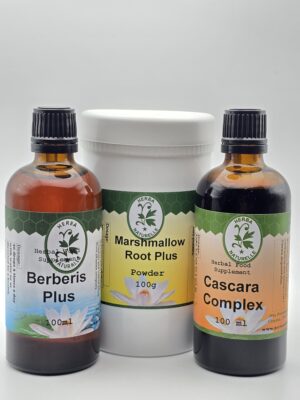 Digestive reset bundle
Original price was: £151.65.£144.95Current price is: £144.95.
Digestive reset bundle
Original price was: £151.65.£144.95Current price is: £144.95.
-
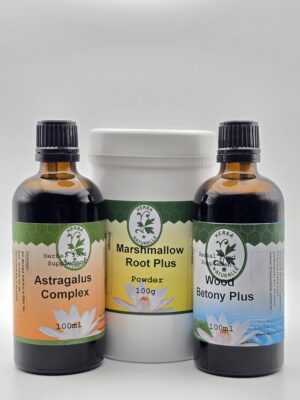 Smooth muscle and immune reset Bundle
Original price was: £177.60.£159.95Current price is: £159.95.
Smooth muscle and immune reset Bundle
Original price was: £177.60.£159.95Current price is: £159.95.
-
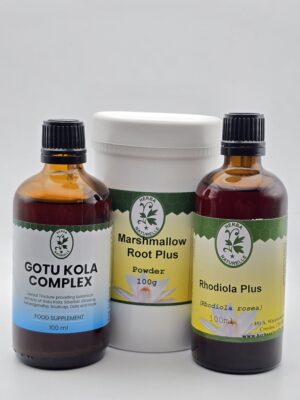 Nervous System Reset
Original price was: £163.68.£149.95Current price is: £149.95.
Nervous System Reset
Original price was: £163.68.£149.95Current price is: £149.95.
-
 Gotu Kola Complex
£26.95
Gotu Kola Complex
£26.95


About the Author

Holistic Herbalist in UK · 30 Years of Excellence at Croydon, GB
Angela Jegnathan brings over 30 years of experience in integrated medicine and more than 25 years of full-time clinical herbal practice. Specializing in holistic herbal medicine, she focuses on restoring digestive health, calming the nervous system, and supporting the body's natural inflammatory response through evidence-based, patient-centered care.
Expertise: Holistic Herbs, Natural Medicines, Herbal Health
30 years of experience
