

Does Ashwagandha Help With Weight Loss? A Medical Herbalist’s Honest Answer
If you are asking does ashwagandha help with weight loss, you deserve a straight, evidence-based answer rather than the kind of vague promises circulating on social media. The short answer is: not directly, but potentially yes for a specific group of people, through a well-understood biological mechanism that most articles never properly explain.
After more than 30 years of clinical herbal practice, ashwagandha is one of the most frequently asked about herbs in consultation. Furthermore, the gap between what people expect it to do and what it actually does is wider for weight loss than for almost any other topic. This guide explains the mechanism, the evidence, and most importantly, who is genuinely likely to benefit and who is not.
Table of Contents
- What Is Ashwagandha and How Does It Work?
- Does Ashwagandha Help With Weight Loss Directly?
- The Cortisol Connection: Why Stress Makes You Gain Weight
- What the Clinical Evidence Actually Shows
- Who Is Most Likely to Benefit From Ashwagandha for Weight Loss?
- Who Is Unlikely to Benefit
- How to Take Ashwagandha for Weight Loss Support
- Ashwagandha and Belly Fat: What the Research Says
- Comparison Table: Ashwagandha vs Other Weight Loss Herbs
- When to See a Medical Herbalist
- Frequently Asked Questions
What Is Ashwagandha and How Does It Work?
Ashwagandha (Withania somnifera) is an Ayurvedic herb used for over 3,000 years in traditional Indian medicine. In modern clinical herbalism, it is classified as an adaptogen, meaning it helps the body adapt to physical and psychological stress by modulating the hypothalamic-pituitary-adrenal (HPA) axis.
The primary active compounds are withanolides, a group of steroidal lactones concentrated in the root. These compounds work at multiple levels of the stress response system, gradually reducing baseline cortisol production, improving adrenal function, and helping the nervous system shift from a state of chronic activation back toward balance.
Crucially, ashwagandha does not work acutely. It is not a stimulant, a fat burner, or a metabolism booster in the conventional sense. Moreover, it does not produce effects after a single dose or even a few days of use. It is a slow-acting adaptogen that reshapes your stress physiology over 4 to 12 weeks of consistent daily use.
Understanding how adaptogens work and what distinguishes them from other herbs is essential before evaluating any weight-related claims. Additionally, how chronic stress physically changes the body gives important context for why ashwagandha’s mechanism can intersect with weight at all.
Does Ashwagandha Help With Weight Loss Directly?
No. Ashwagandha does not directly burn fat, suppress appetite in a pharmacological sense, or meaningfully boost metabolic rate. Any article or supplement brand claiming otherwise is overstating the evidence considerably.
What ashwagandha does do, however, is address one specific and common driver of weight gain that conventional diet advice completely ignores: chronic cortisol elevation. For people whose excess weight is primarily driven by this mechanism, the indirect effect can be meaningful. For people whose weight challenges are primarily caloric, sedentary lifestyle, or metabolic in origin, ashwagandha will likely produce very little weight-related effect.
This distinction is fundamental. Therefore, before spending money on ashwagandha for weight loss, the most important question to ask yourself is: is chronic stress a significant part of my weight picture?
You can read more about ashwagandha root and its core clinical applications and the full ashwagandha tincture dosage guide to understand how the herb works more broadly.
The Cortisol Connection: Why Stress Makes You Gain Weight
To understand why ashwagandha can support weight loss in some people, you first need to understand what chronic cortisol elevation actually does to the body.
Cortisol is the body’s primary stress hormone. In short bursts, it is essential and beneficial. However, when cortisol remains chronically elevated due to ongoing work stress, burnout, poor sleep, relationship difficulties, or any persistent psychological or physical stressor, it creates a cascade of biological effects that actively promote weight gain:
Increased abdominal fat storage: Cortisol directly stimulates adipocytes in the abdominal region to store more fat. This is the mechanism behind what is commonly called cortisol belly, where people accumulate visceral fat around the midsection despite not dramatically overeating.
Elevated hunger hormones: Chronic cortisol raises ghrelin, the hunger-stimulating hormone, and suppresses leptin, the satiety hormone. As a result, people under chronic stress genuinely feel hungrier than their caloric needs require, particularly for high-sugar and high-fat foods.
Insulin resistance: Prolonged cortisol elevation promotes insulin resistance over time, which impairs the body’s ability to use glucose efficiently and encourages fat storage rather than fat burning.
Muscle breakdown: High cortisol has a catabolic effect on muscle tissue. Since muscle is metabolically active tissue that burns calories at rest, losing muscle mass through cortisol-driven catabolism reduces your resting metabolic rate over time.
Sleep disruption: Elevated evening cortisol suppresses melatonin and disrupts deep sleep. Poor sleep independently drives weight gain through hormonal dysregulation. You can read more about herbal support for sleep problems and the nervous system if this applies to your situation.
By gradually reducing baseline cortisol, ashwagandha addresses all five of these mechanisms simultaneously. Consequently, in people where cortisol is a primary driver of weight gain, the downstream effects can include reduced abdominal fat accumulation, improved appetite regulation, better insulin sensitivity, preserved muscle mass, and improved sleep quality.
What the Clinical Evidence Actually Shows
The research on ashwagandha and weight loss is small but increasingly consistent. Here is what the best available evidence shows:
The 2019 KSM-66 study: A randomised, double-blind, placebo-controlled trial published in Medicine examined 52 chronically stressed adults taking 300 mg of KSM-66 ashwagandha twice daily for 8 weeks. The ashwagandha group showed statistically significant reductions in body weight, BMI, and food cravings compared to placebo. Average weight reduction was approximately 1.6 kg at 4 weeks and 2.3 kg at 8 weeks, roughly twice the weight change seen in the placebo group. Cortisol reduction was 27.9 percent.
The 2026 body composition review: A narrative review published in Sports in October 2026 examined the full body of evidence on ashwagandha and body composition. The review found consistent evidence for modest fat mass reduction and muscle mass preservation, with the strongest effects in populations under chronic stress and those engaged in resistance training alongside supplementation.
The 24-week extended study: A longer 6-month trial using 600 mg daily of standardised ashwagandha extract found an average weight loss of 8.46 kg in the ashwagandha group versus significantly less in the placebo group, alongside significant reductions in cortisol, food cravings, and perceived stress scores.
Important caveat: Most of these studies are small, involve chronically stressed participants specifically, and cannot be generalised to the general population. Furthermore, the weight loss observed in these trials is modest by clinical standards and would not constitute treatment for obesity. The evidence supports ashwagandha as a useful adjunct to weight management in stressed individuals, not as a primary weight loss intervention.
Who Is Most Likely to Benefit From Ashwagandha for Weight Loss?
Based on clinical evidence and three decades of practice, the people most likely to see meaningful weight-related benefit from ashwagandha are those who:
- Carry excess weight primarily around the abdomen despite eating reasonably well
- Experience high levels of chronic stress from work, relationships, or life circumstances
- Notice that stress makes them crave sugar and carbohydrates specifically
- Have poor sleep quality driven by an overactive, alert nervous system
- Feel unable to lose weight despite dietary effort, with stress being a consistent feature
- Have elevated morning cortisol on a saliva or blood test
- Are going through perimenopause or menopause, where cortisol dysregulation and hormonal change intersect
For this group, ashwagandha used consistently over 8 to 12 weeks alongside a whole food diet and regular movement can produce noticeable improvements in abdominal fat, appetite regulation, and energy levels.
You can read more about herbal support for women’s hormonal health during menopause and the connection between the nervous system and chronic symptoms which frequently includes stress-driven weight gain.
Who Is Unlikely to Benefit
Being honest about limitations is as important as explaining the benefits. Ashwagandha is unlikely to produce meaningful weight loss results for people who:
- Do not have chronic stress as a significant contributing factor to their weight
- Are primarily sedentary and eating in significant caloric surplus
- Expect rapid or dramatic results, as ashwagandha requires 8 to 12 weeks minimum
- Have thyroid conditions that are driving weight gain (though ashwagandha may still help thyroid function in some cases, this requires professional assessment)
- Are taking medications that interact with ashwagandha, including thyroid medications, immunosuppressants, or sedatives
For people in these categories, ashwagandha is not the right primary tool. A medical herbalist consultation would help identify which herbal and dietary approaches are actually suited to the root cause of your specific weight challenge.
How to Take Ashwagandha for Weight Loss Support
If you have identified that cortisol and chronic stress are part of your weight picture, here is how to use ashwagandha effectively:
| Form | Recommended Dose | Timing | Duration |
|---|---|---|---|
| KSM-66 or Sensoril capsule | 300 mg twice daily | Morning and evening with food | Minimum 8 to 12 weeks |
| Tincture (1:3 extract) | 1 to 2 mL twice daily | Morning and evening | Minimum 8 to 12 weeks |
| Powder (root) | 3 to 6 g daily | In warm milk or smoothie | Minimum 8 to 12 weeks |
Most important points:
First, consistency matters far more than dose. Taking ashwagandha occasionally will produce no meaningful effect. Daily use for at least 8 weeks is the minimum to assess whether it is working for you.
Second, the standardised extract forms KSM-66 and Sensoril have the strongest clinical evidence. Generic ashwagandha powder of unknown withanolide content is significantly less reliable.
Third, ashwagandha works better as part of a broader protocol. Combining it with other adaptogenic and nervine herbs suited to your constitution, alongside addressing sleep, diet quality, and movement, produces substantially better results than ashwagandha alone.
Fourth, some people experience mild digestive upset or increased energy in the first week of use. Starting at a lower dose and building up over 7 to 10 days reduces this.
Ashwagandha and Belly Fat: What the Research Says
One of the most searched questions is whether ashwagandha specifically reduces belly fat. The clinical answer is: it may reduce visceral abdominal fat in people with elevated cortisol, through the cortisol-fat storage mechanism described above.
Cortisol receptors are particularly dense in visceral adipose tissue, the fat that accumulates around the abdominal organs rather than under the skin. This is why stress-related weight gain so often manifests specifically as a thickening midsection even when overall caloric intake has not dramatically changed.
When ashwagandha reduces baseline cortisol over 8 to 12 weeks, those abdominal cortisol receptors receive less stimulation to store fat. Combined with improved insulin sensitivity and reduced stress-driven cravings, the result in clinical trials has been a measurable reduction in waist circumference alongside overall body weight reduction.
However, this is not spot-fat reduction in a direct sense. The body decides where it mobilises fat from, and that is primarily genetically determined. What ashwagandha does is remove one of the main hormonal drivers of abdominal fat accumulation, allowing the body’s normal fat metabolism to function more effectively.
Understanding the gut-brain axis and how stress dysregulation affects digestion and metabolism gives further context for why a whole-body approach to stress consistently produces better body composition outcomes than targeting fat loss alone.
Comparison Table: Ashwagandha vs Other Weight-Related Herbs
| Herb | Primary Mechanism | Weight Loss Evidence | Best For |
|---|---|---|---|
| Ashwagandha | Cortisol reduction, HPA axis modulation | Moderate, indirect | Stress-driven weight gain, belly fat |
| Rhodiola rosea | Fatigue reduction, mental performance | Weak, indirect | Burnout-related low activity levels |
| Turmeric (curcumin) | Anti-inflammatory, insulin sensitivity | Moderate, indirect | Inflammatory-driven weight resistance |
| Berberine | Insulin sensitisation, gut microbiome | Strong, direct | Metabolic weight gain, blood sugar dysregulation |
| Cinnamon | Blood sugar regulation | Moderate | Post-meal glucose spikes, sugar cravings |
| Green tea (EGCG) | Thermogenesis, mild metabolism boost | Moderate, direct | Mild metabolic support as adjunct |
As the table shows, berberine has the strongest direct evidence for weight loss of any herbal compound, particularly for people with insulin resistance or metabolic syndrome. Ashwagandha is not the most potent weight loss herb available, but it is the most appropriate choice when chronic stress and cortisol are clearly part of the picture.
When to See a Medical Herbalist
Self-selecting ashwagandha from this guide is a reasonable starting point if chronic stress is a clear part of your weight picture. However, there are situations where professional assessment will produce significantly better outcomes than self-prescription.
Consider booking a medical herbalist consultation if:
- You have been struggling with weight for more than 2 years without resolution
- You suspect hormonal factors such as thyroid dysfunction, polycystic ovary syndrome, or perimenopause are contributing
- You are on prescription medications, as herb-drug interactions need professional assessment
- You want a bespoke herbal protocol addressing your specific root causes rather than a single herb
- Previous attempts with ashwagandha or other supplements have not produced results
A clinical herbalist does not simply prescribe ashwagandha for weight and stress. Instead, they assess your complete hormonal picture, digestive function, nervous system state, sleep quality, and constitutional type, then formulate a targeted protocol specific to you.
Information about consultation fees and what a session includes is available on this site. If you suspect your weight challenges are connected to gut health, inflammation, or deeper metabolic imbalance, a professional assessment is the most direct route to lasting results.
Frequently Asked Questions
Does ashwagandha help with weight loss?
Ashwagandha does not directly cause weight loss. However, it may help indirectly for people whose weight is driven by chronic stress and elevated cortisol. By reducing cortisol over 8 to 12 weeks of daily use, ashwagandha can reduce abdominal fat storage, improve appetite regulation, and support better sleep, all of which contribute to easier weight management. For people without significant chronic stress, the weight-related benefit is likely to be minimal.
How long does ashwagandha take to work for weight loss?
Most clinical trials show measurable changes at 8 weeks of consistent daily use, with more significant results at 12 weeks and beyond. Stress reduction effects often appear within 3 to 4 weeks, and weight-related changes follow as cortisol normalises. Do not assess results before 8 weeks of consistent use.
Does ashwagandha burn belly fat?
Not directly. However, by reducing cortisol, it may reduce the hormonal driver of visceral abdominal fat accumulation. Clinical trials show modest but significant reductions in waist circumference alongside overall body weight in chronically stressed participants taking standardised ashwagandha extract over 8 to 24 weeks.
Can ashwagandha cause weight gain?
In most people, no. However, some individuals report mild water retention in the first few weeks of use, which typically resolves. Additionally, if ashwagandha significantly improves appetite and sleep quality in someone who was previously under-eating due to stress, they may notice initial weight stabilisation before any reduction.
What is the best form of ashwagandha for weight loss?
KSM-66 and Sensoril are the two standardised ashwagandha extracts with the strongest clinical evidence for cortisol reduction. These are available as capsules and are the most reliable forms for weight-related use. Tinctures made from quality root extract are also effective. Generic ashwagandha powder of unknown withanolide content is significantly less reliable.
Can I take ashwagandha with other weight loss supplements?
Ashwagandha combines well with turmeric, berberine, and rhodiola in clinical formulations. However, avoid combining with stimulant-based fat burners, as ashwagandha has a calming adaptogenic action that can be counterproductive when combined with stimulants. Always consult a qualified herbalist before combining multiple supplements, particularly if you take prescription medications.
Is ashwagandha safe for long-term use?
Ashwagandha is considered safe for most adults at standard doses for up to 12 months based on current evidence. However, it should be used with caution in thyroid conditions, autoimmune conditions, and during pregnancy. A periodic break of 4 to 6 weeks after every 3 months of continuous use is a reasonable approach for long-term users.
Final Thoughts
So does ashwagandha help with weight loss? The honest answer is: indirectly, yes, but only for the right person and only when used consistently over sufficient time.
Ashwagandha is not a fat burner. It does not directly boost metabolism or suppress appetite. What it does, however, is address one of the most underappreciated drivers of stubborn weight gain in modern life: chronic cortisol elevation. For people whose weight accumulates around the abdomen despite reasonable eating habits, who struggle with stress-driven cravings, and whose weight challenges are inseparable from their stress levels, ashwagandha used consistently over 8 to 12 weeks can be a genuinely valuable part of the picture.
For people without significant chronic stress, however, ashwagandha is unlikely to produce meaningful weight loss. Moreover, it should never be relied upon as a primary weight loss strategy in isolation. It works best as part of a broader protocol that addresses diet quality, movement, sleep, and the specific root causes of your individual weight challenge.
If you would like help identifying whether ashwagandha is appropriate for your situation, consultation and booking information is available here. You can also read more about the full ashwagandha herb profile and tincture guide and how adaptogens support the stress response system for a complete clinical picture.
Our Trending Products & Bundles
-
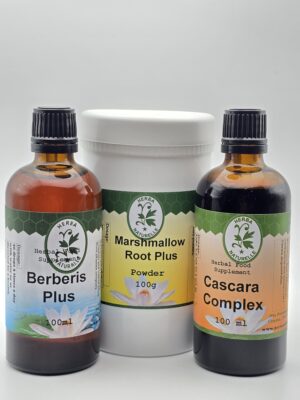 Digestive reset bundle
Original price was: £151.65.£144.95Current price is: £144.95.
-
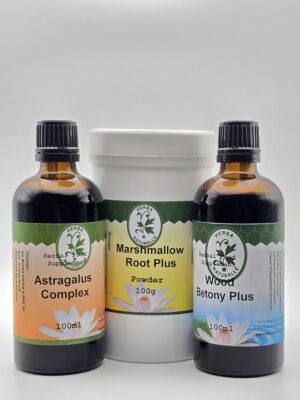 Smooth muscle and immune reset Bundle
Original price was: £177.60.£159.95Current price is: £159.95.
-
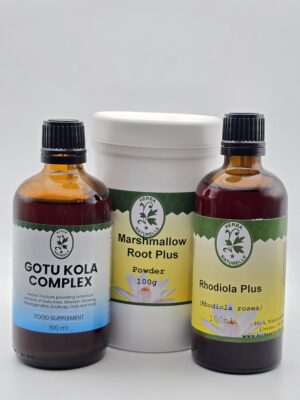 Nervous System Reset
Original price was: £163.68.£149.95Current price is: £149.95.
-
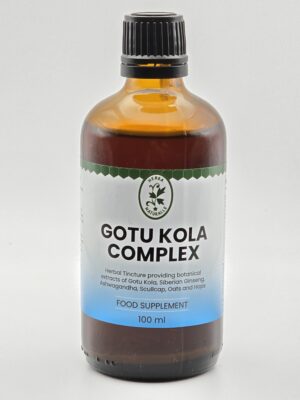 Gotu Kola Complex
£26.95


About the Author

Holistic Herbalist in UK · 30 Years of Excellence at Croydon, GB
Angela Jegnathan brings over 30 years of experience in integrated medicine and more than 25 years of full-time clinical herbal practice. Specializing in holistic herbal medicine, she focuses on restoring digestive health, calming the nervous system, and supporting the body's natural inflammatory response through evidence-based, patient-centered care.
Expertise: Holistic Herbs, Natural Medicines, Herbal Health
30 years of experience
