
Bloating, Trapped Wind and Constipation: Causes, Relief and Foods That Help
Introduction
Bloating is the most common digestive complaint in the UK. Whether it’s a distended abdomen after meals, uncomfortable trapped wind, or the sluggish misery of constipation, these problems affect quality of life significantly, yet they are among the most poorly understood and inadequately managed conditions in primary care.
This article explains why bloating happens, what your body is signalling with these symptoms, which foods help or hinder, and how herbal medicine offers some of the most evidence-backed relief available.
Why Do You Bloat After Eating?
Bloating after eating has several possible causes, and identifying yours makes targeted relief far more achievable:
1. Eating too quickly When you eat fast, you swallow air alongside your food. This air collects in the stomach and intestines, causing distension. Eating more slowly, with proper chewing, is one of the simplest and most effective bloating interventions.
2. Fermentable carbohydrates (FODMAPs) Certain carbohydrates pass through the small intestine undigested and are fermented by bacteria in the large intestine, producing gas. Foods high in FODMAPs, such as onions, garlic, wheat, legumes, and certain fruits, are among the most common triggers.
3. Food intolerances Lactose intolerance (inability to digest milk sugar) affects a significant proportion of adults, particularly those of South Asian, East Asian, African-Caribbean, and Middle Eastern descent. Gluten sensitivity (non-coeliac) can also cause bloating without the full damage of coeliac disease.
4. Gut dysbiosis and low digestive enzyme production If the gut microbiome is imbalanced, or if digestive enzymes are insufficient, food ferments in the wrong places and at the wrong rate, producing excess gas and discomfort.
5. Constipation When stool moves slowly through the colon, bacteria have more time to ferment it, increasing gas production. Treating the underlying constipation often resolves bloating too.
6. IBS People with IBS have heightened visceral sensitivity, they feel normal amounts of intestinal gas more acutely than others. This is called visceral hypersensitivity and explains why IBS-related bloating can feel so severe even when gas production is not dramatically elevated.
7. Hormonal fluctuations Many women experience worsening bloating in the week before menstruation, due to the effect of progesterone on gut motility. During the luteal phase (after ovulation), the gut slows down, food moves more slowly, fermentation increases, and bloating follows.
Foods That Help With Bloating
The following foods and food groups actively support bloating relief:
Ginger
One of the best-studied digestive herbs, ginger stimulates gastric emptying (the rate at which the stomach moves food into the small intestine), reduces nausea, and has anti-inflammatory effects on the gut wall. Fresh ginger tea before or after meals is a particularly effective intervention for post-meal bloating.
Peppermint
Peppermint contains menthol, which relaxes smooth muscle in the gut wall, reducing spasm and allowing trapped gas to pass more easily. Peppermint tea after meals is a simple and effective remedy. Read more: Peppermint Leaf: The Most Clinically Validated Digestive Herb
Fennel Seeds
Chewing a small amount of fennel seeds after eating is a traditional European and South Asian remedy for bloating and wind. The volatile oils in fennel (particularly trans-anethole) relax intestinal smooth muscle and reduce spasm. See: Fennel Seed: The Ultimate Digestive Carminative
Caraway Seeds
Particularly popular in German herbal medicine, caraway has a long history as a digestive carminative, reducing wind and bloating. Read: Caraway Seed: Europe’s Premier Digestive Carminative
Star Anise
Similar in action to fennel, star anise reduces intestinal spasm and gas. Star Anise: The Digestive and Antiviral Spice
Live Yoghurt and Kefir
The beneficial bacteria in live fermented dairy products (Lactobacillus, Bifidobacterium) compete with gas-producing bacteria and support a healthier microbiome balance. Daily consumption has modest but consistent evidence for reducing IBS-type bloating.
Water
Dehydration concentrates the gut contents and slows motility. Drinking adequate water (1.5–2 litres daily for most adults) helps food and gas move through the digestive tract more efficiently.
Foods That Commonly Worsen Bloating
Limit or monitor these foods when bloating is troublesome:
- Onions and garlic (high in fructans)
- Beans, lentils, and chickpeas (unless well-soaked and cooked)
- Carbonated drinks, including sparkling water
- Chewing gum (causes air swallowing)
- Artificial sweeteners, sorbitol, mannitol, and xylitol are fermented in the colon
- Cruciferous vegetables, broccoli, cauliflower, cabbage, Brussels sprouts (nutritious, but fermentable)
- Wheat and rye (fructans, and gluten for those sensitive)
The key is not to eliminate all these foods permanently, many are exceptionally nutritious, but to use the low-FODMAP protocol as a structured method for identifying your personal triggers.
Trapped Wind: Fast Relief
Trapped wind (intestinal gas that has become painful and stuck) can cause significant discomfort, sometimes mimicking more serious conditions. Effective relief strategies include:
- Movement, a gentle walk after eating can stimulate peristalsis and help gas move along
- Heat, a warm water bottle on the abdomen can relax intestinal muscle
- Gentle abdominal massage, in a clockwise direction (following the path of the colon) helps gas move through
- Yoga poses, the knee-to-chest pose, happy baby, and child’s pose are particularly effective
- Peppermint or fennel tea, both relax intestinal smooth muscle
- Over-the-counter simeticone, breaks up large gas bubbles
For a comprehensive guide: Trapped Wind Relief: Fast and Long-Lasting Solutions and Trapped Wind Remedy: Effective Solutions for Gas and Bloating
Constipation: Causes, Solutions and Danger Signs
Constipation is defined medically as fewer than three bowel movements per week, or stools that are hard, lumpy, and difficult to pass. It affects roughly 1 in 7 UK adults at any given time.
Common causes:
- Low fibre intake
- Insufficient fluid intake
- Physical inactivity
- Certain medications (opioids, iron tablets, some antidepressants)
- Hypothyroidism
- IBS (constipation-predominant)
- Pregnancy (progesterone slows gut motility, and the growing uterus compresses the bowel)
- Habitual ignoring of the urge to open the bowels
Dietary approaches to constipation:
Gradually increase dietary fibre, too rapid an increase can initially worsen bloating. Aim for a daily intake of around 30g (most UK adults consume around 18g):
- Swap white bread, rice, and pasta for wholegrain versions
- Eat at least five portions of fruit and vegetables daily
- Add ground flaxseeds to porridge or smoothies
- Include legumes in soups and stews at least twice a week
- Try prunes or prune juice, which contain sorbitol, a natural gentle laxative
Constipation Danger Signs
Seek urgent medical assessment if constipation is accompanied by:
- Blood in the stool or on the toilet paper
- Unexplained weight loss
- Persistent abdominal pain or bloating that does not improve
- A lump in the abdomen
- Constipation that is new, persistent, or worsening, especially in those over 45
- Alternating constipation and diarrhoea
These symptoms can indicate bowel cancer, diverticular disease, or other serious conditions that require investigation.
Herbal Laxatives: What to Know
For short-term constipation relief, several herbal options are well established:
- Psyllium husk: bulk-forming and gentle: Psyllium Husk: The Gold Standard Fibre
- Senna pods: stimulant laxative; effective but not for daily long-term use: Senna Pods: The Gentler Laxative Preparation
- Cascara bark: Cascara Bark: The Sacred Bark Laxative
Stimulant laxatives (senna, cascara, buckthorn) should not be used for more than a few days at a time without medical supervision. Overuse can lead to dependency and electrolyte disturbance.
Our Trending Products & Bundles
-
 Digestive reset bundle
Original price was: £151.65.£144.95Current price is: £144.95.
Digestive reset bundle
Original price was: £151.65.£144.95Current price is: £144.95.
-
 Smooth muscle and immune reset Bundle
Original price was: £177.60.£159.95Current price is: £159.95.
Smooth muscle and immune reset Bundle
Original price was: £177.60.£159.95Current price is: £159.95.
-
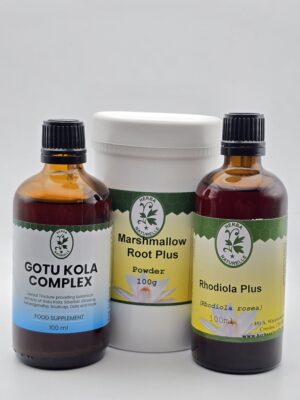 Nervous System Reset
Original price was: £163.68.£149.95Current price is: £149.95.
Nervous System Reset
Original price was: £163.68.£149.95Current price is: £149.95.
-
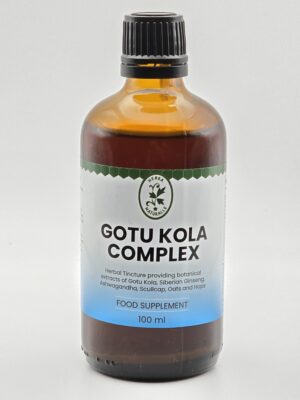 Gotu Kola Complex
£26.95
Gotu Kola Complex
£26.95


About the Author

Holistic Herbalist in UK · 30 Years of Excellence at Croydon, GB
Angela Jegnathan brings over 30 years of experience in integrated medicine and more than 25 years of full-time clinical herbal practice. Specializing in holistic herbal medicine, she focuses on restoring digestive health, calming the nervous system, and supporting the body's natural inflammatory response through evidence-based, patient-centered care.
Expertise: Holistic Herbs, Natural Medicines, Herbal Health
30 years of experience
